How long do roses last in a vase? Here's how to keep them fresh longer.
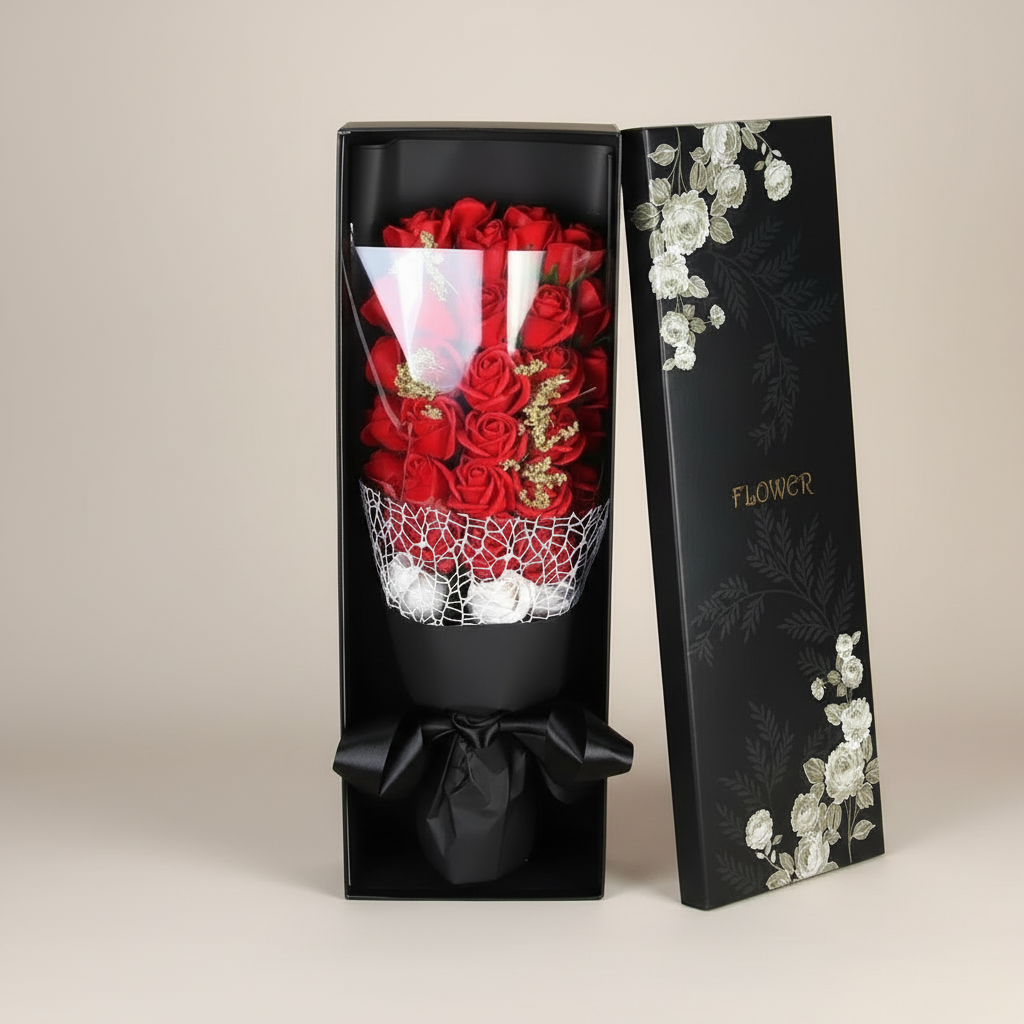
Anyone who has ever received a beautiful bouquet of roses as a gift knows this question all too well: How long will it last? The honest answer is: It depends.
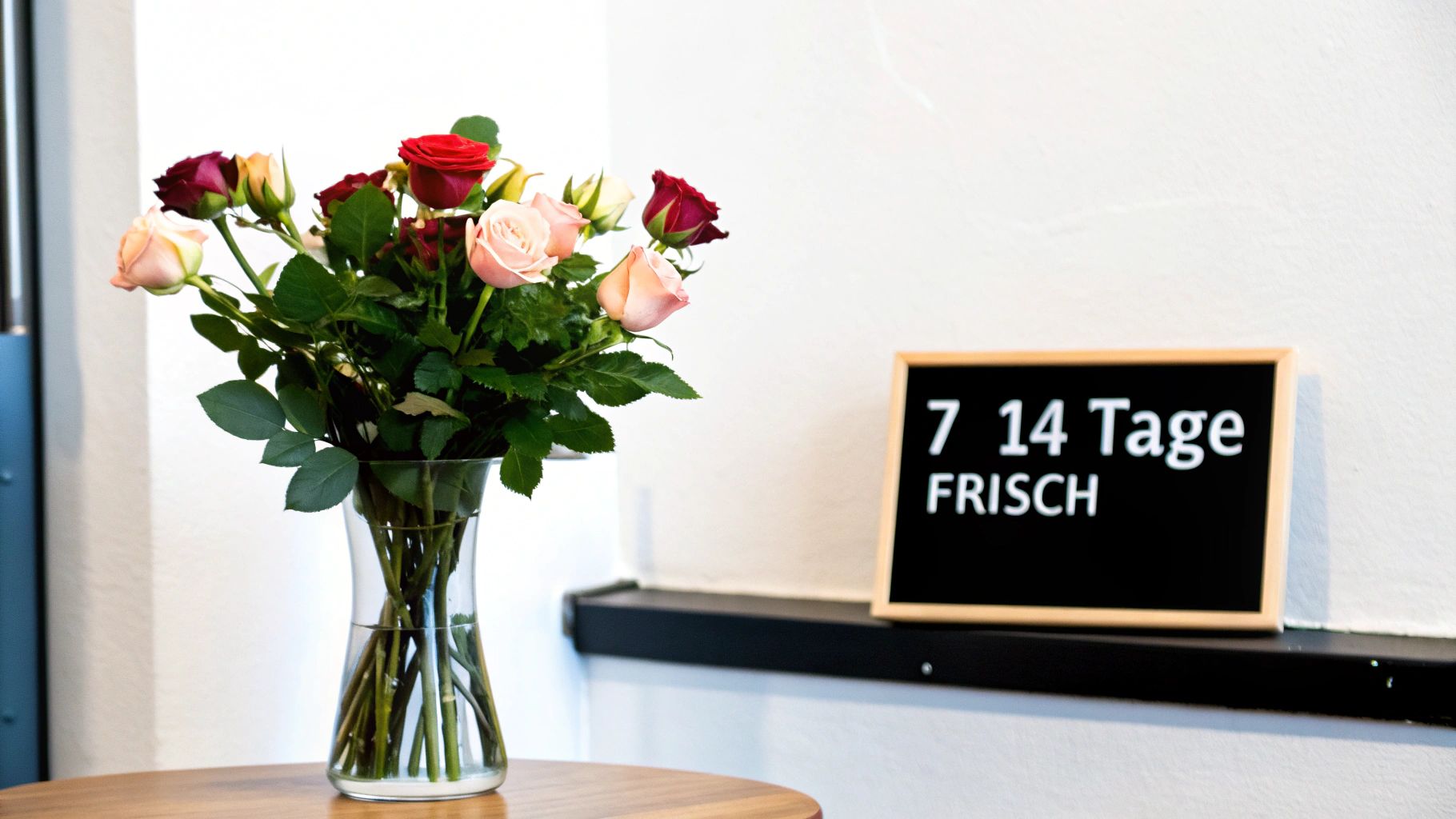
With the right care and a little attention, you can significantly extend the blooming period of your cut roses. Realistically, well-cared-for roses last between 7 and 14 days in a vase. To achieve two weeks rather than just one, a few crucial steps are essential.
How long do roses stay fresh in a vase?
The lifespan of cut roses cannot be pinned down to a single day. Think of it like an athlete: the best genetics and greatest talent are useless without proper preparation and a constant supply of energy. It's the same with roses. Their longevity rests on three crucial pillars: the quality at the time of purchase, preparation at home, and daily care.
In Germany, florists and experts typically state a range of 7 to 14 days , with many considering 14 days the absolute maximum for high-quality roses. If these three points are consistently observed, nothing stands in the way of long-lasting enjoyment.
The three pillars for a long flowering period
To get the most out of your bouquet, all three aspects must be perfect. If you neglect even one of them, the roses will quickly droop – quite literally.
- The quality of the rose: It all starts with the purchase. A fresh rose can be recognized by its firm stem and buds that are just beginning to open slightly. It has the best possible start.
- Proper preparation is key: Before placing the roses in water, two things are crucial: a clean, angled cut with a sharp knife and the removal of all lower leaves that would be submerged. This ensures optimal water absorption and prevents rot.
- Daily care: This determines whether your roses will bloom for just a few days or for up to two weeks. Fresh, clean water, the right nutrients, and a cool location make the biggest difference.
The longevity of a rose is not a matter of chance, but a direct result of your care. Every single step, from pruning to daily water changes, directly contributes to its lifespan.
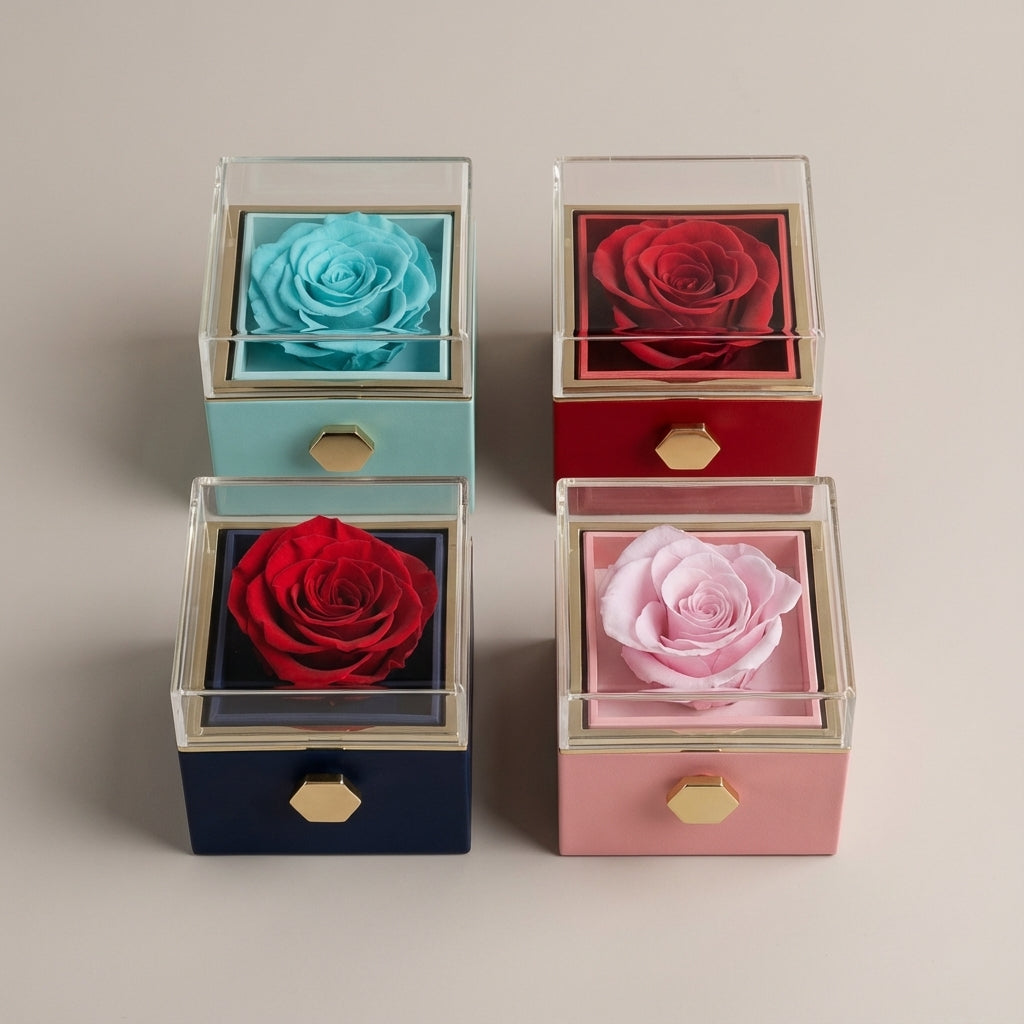
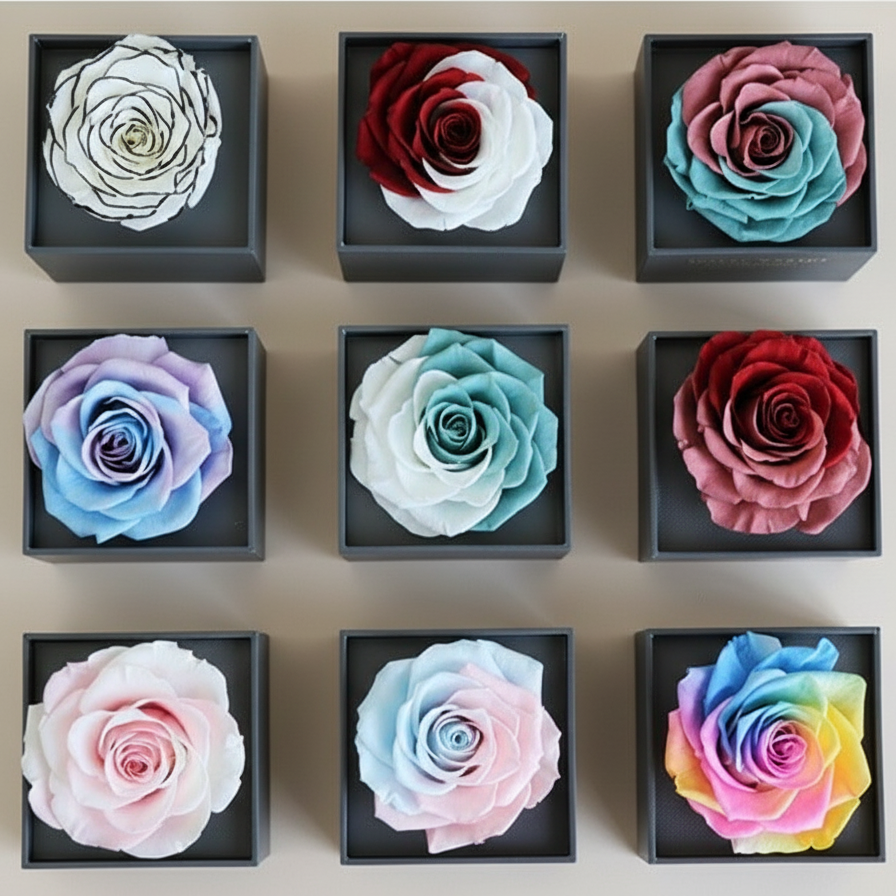
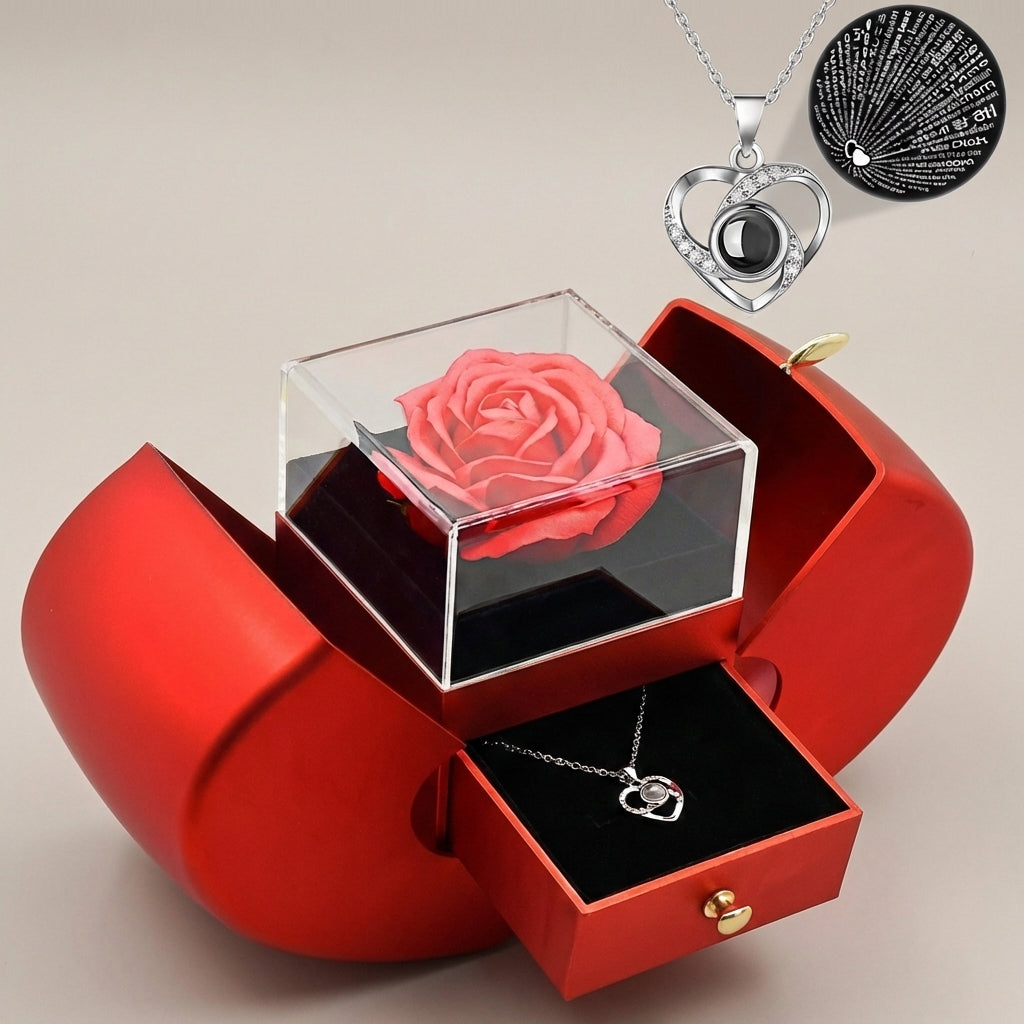
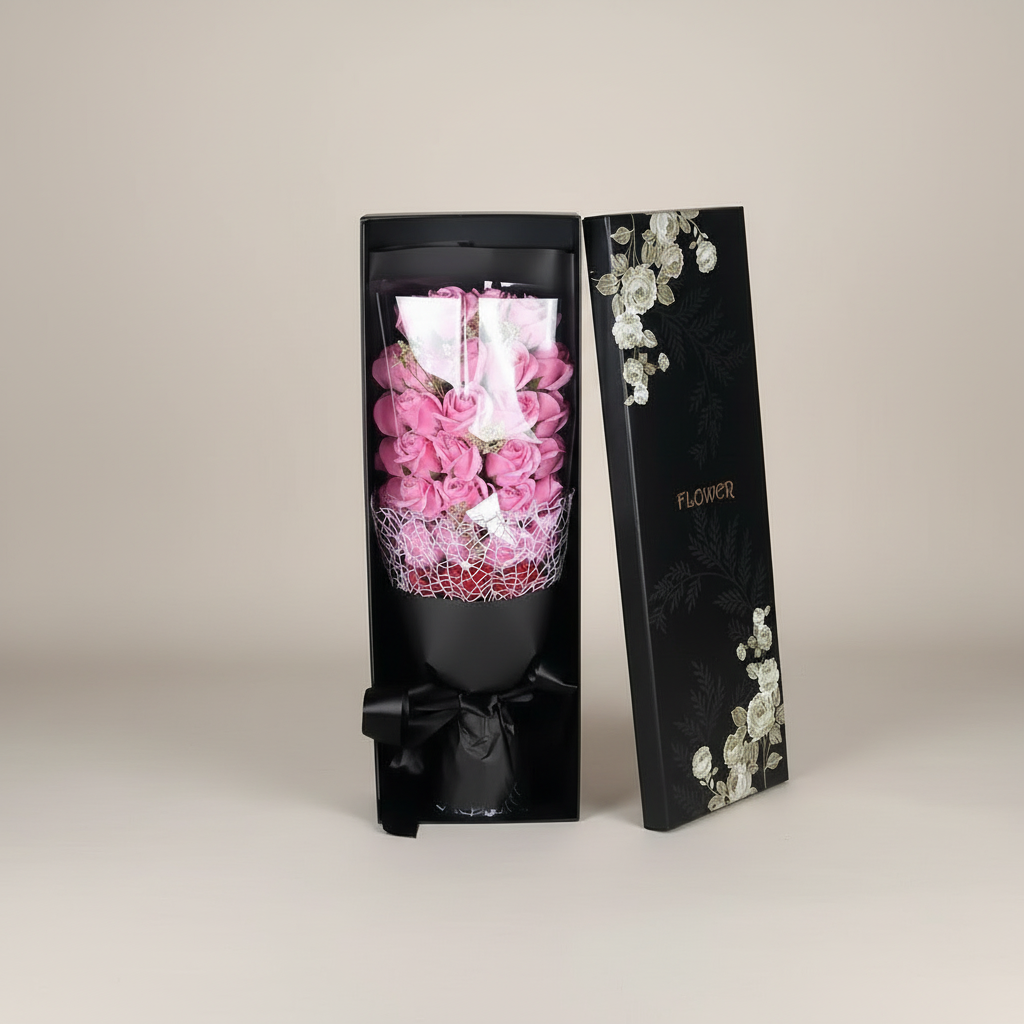
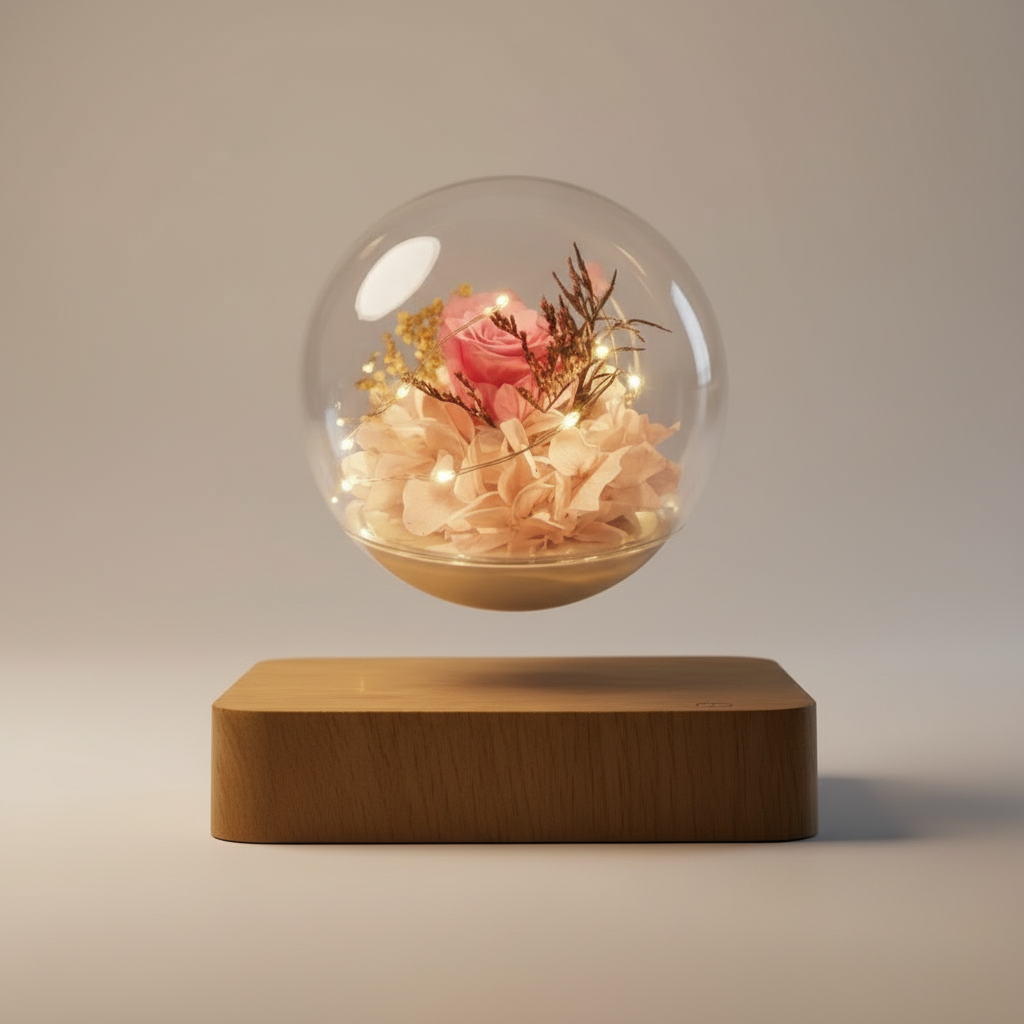
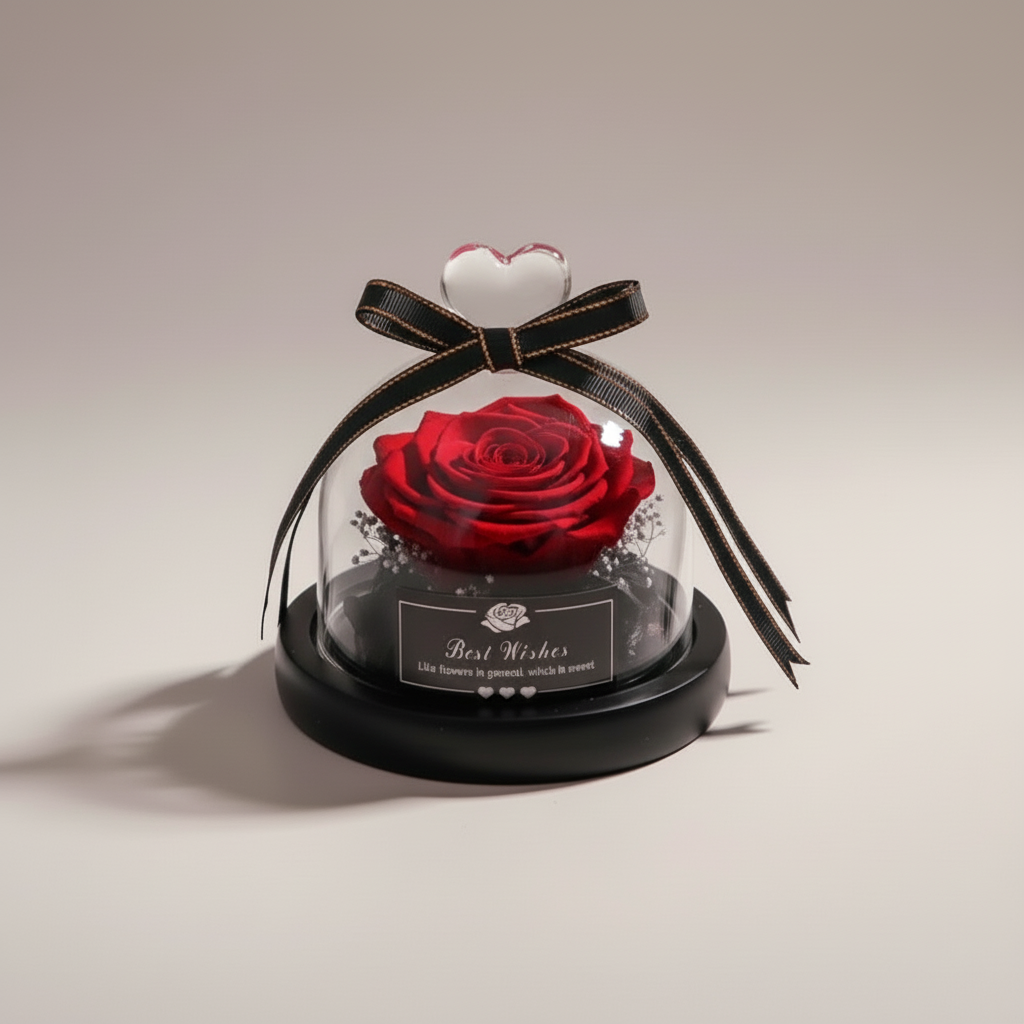
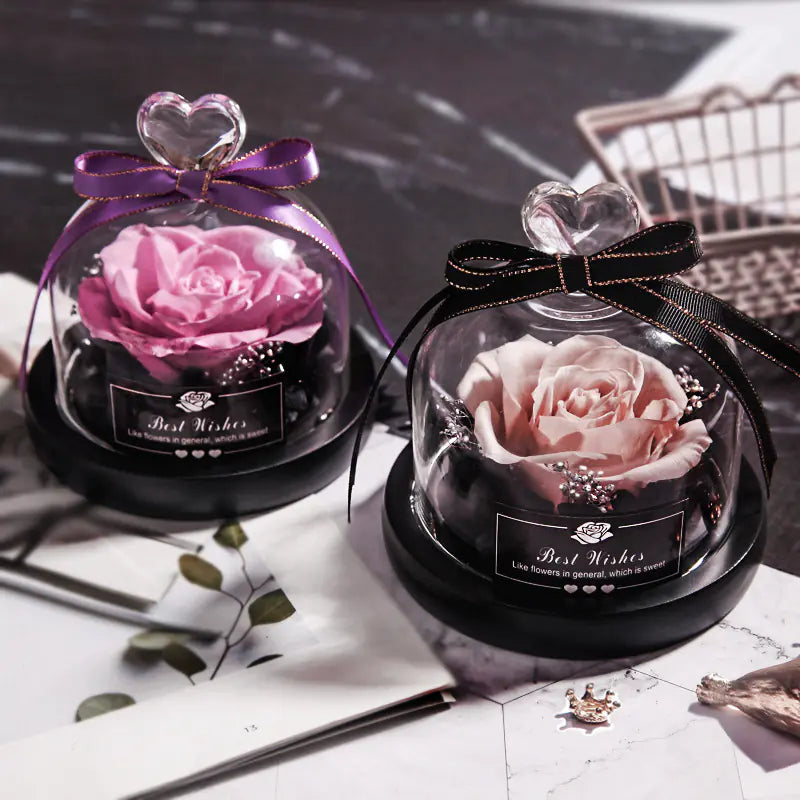
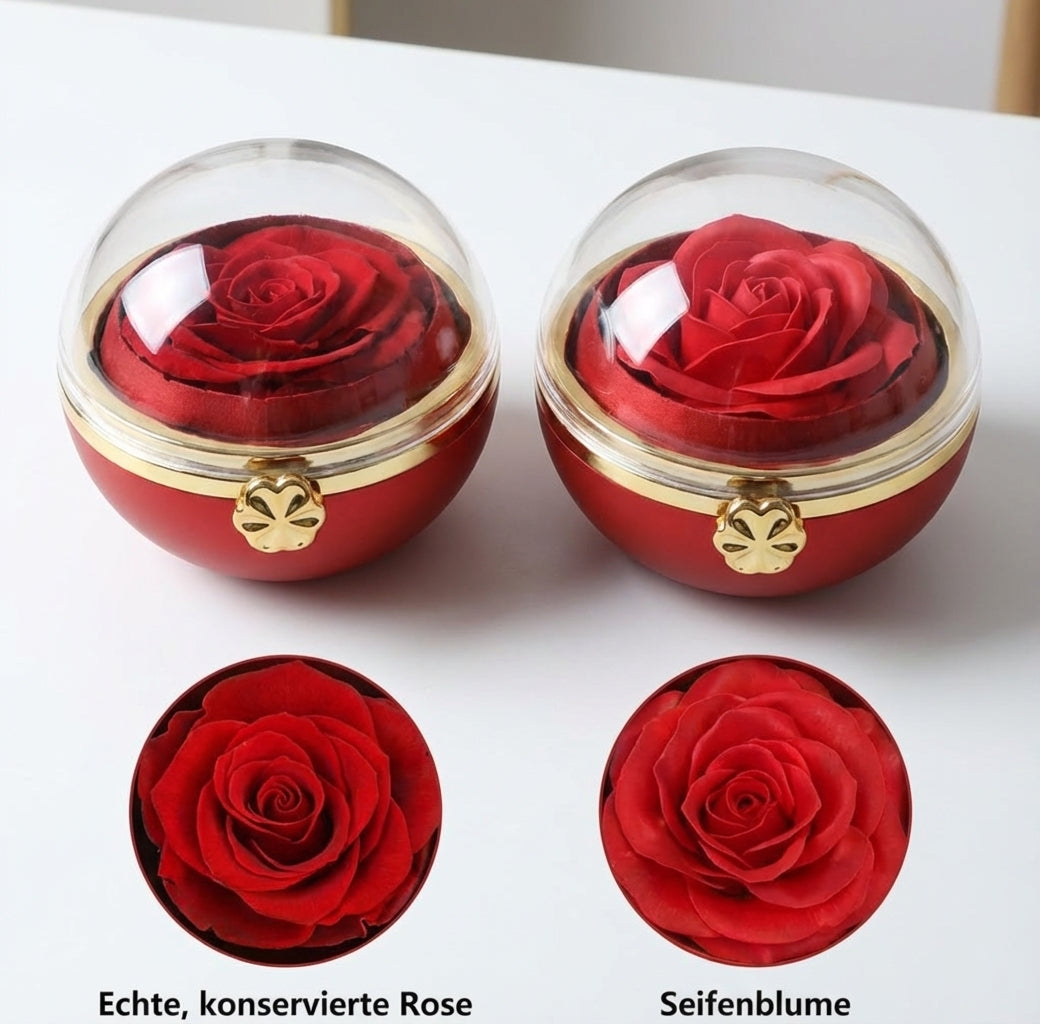
Cut roses are a beautiful but fleeting delight. If you're looking for an alternative that retains its beauty permanently, preserved roses might be just what you need. In our related article, you'll discover creative ideas for long-lasting floral arrangements using preserved roses .
Shelf life of roses under different conditions
The following table clearly illustrates how much your care efforts affect the lifespan of your roses. It demonstrates how even small changes can make a big difference.
| Care level | Expected shelf life | Description of the measures |
|---|---|---|
| Minimal | 2–4 days | Roses are placed in tap water without being cut and with all leaves intact. The water is not changed. |
| standard | 5–8 days | A single diagonal cut, lower leaves removed, preservative added the first time. Water is not changed regularly. |
| Optimal | 10–14+ days | Change the water daily, trim stems every 2-3 days, keep in a cool location without direct sunlight or drafts. |
As you can see, it's entirely up to you. With optimal care, you can more than triple the flowering period and ensure long-lasting enjoyment of your bouquet.
Why the rose's journey determines its lifespan
The question of how long roses last in a vase doesn't begin at your home. It begins thousands of kilometers away, in a field, the moment the rose is cut. Imagine a rose's journey like a relay race: every single leg, from harvesting to cooling to transport, must be perfectly timed so that it arrives at your door in peak condition.
Every interruption in this chain is like a stumbling block in the race against time. Long, unrefrigerated transport routes or periods without any water are the greatest enemies of a long-lasting bloom. Such stressors deplete the rose's precious energy, which it actually needs to bloom in your vase.
The most vital element is a continuous water supply. Professional growers and florists ensure that the roses are supplied with water and nutrients without interruption from the very first cut. This effort naturally comes at a price, but it is a direct investment in the freshness and longevity of the flower.
The difference between a florist and a discount store
Have you ever wondered why roses from a specialist florist are often twice as expensive as those in the supermarket or at the gas station? The price difference is usually a direct indicator of the quality of the supply chain. Cheaper roses often have longer, poorly refrigerated transport routes and may even have been left standing dry for hours.
This invisible stress only becomes noticeable after a few days in the vase. While the florist's rose is still blooming vigorously, the discount store rose often already droops.
The journey a rose takes is just as crucial as the care it receives at your home. A rose that has been stressed on its journey starts its life in a vase at a significant disadvantage.
Consumer tests repeatedly confirm this difference in quality. Practical tests often show that after a week, roses from specialist retailers are the only ones that still look upright and fresh, while cheaper roses have long since wilted. You can find out more about the results of such practical tests, for example, at yvonnewillicks.de .
What you should pay attention to when buying
But don't worry, you don't need to be an expert to recognize fresh roses. With a few simple touches and glances, you can easily separate the wheat from the chaff and select flowers with the greatest potential for a long life.
- Firm buds: Do the outer petals feel firm and crisp? Perfect! Soft or brownish edges are a sign of older stock.
- Green sepals: The small green leaves directly below the bloom should point upwards or stand upright. If they are already drooping, the rose has already passed its peak.
- Strong stem: Gently press the stem directly below the bud. If it feels firm, the rose is fresh. If it gives way, it probably won't last much longer.
If you keep these three points in mind, you will greatly increase your chances of getting a bouquet that will reward you with a long and beautiful blooming period.
The right care for longer-lasting blooms
The question of how long roses last in a vase can be answered primarily through proper care. Imagine your roses like a guest arriving from a long, tiring journey – they are thirsty and need the right environment to recover and display their full beauty. With a few simple but consistent steps, you can significantly extend the life of your bouquet.
This infographic shows the journey a rose takes from the breeder to your home and which stages are crucial along the way.

Each of these steps influences how fresh and energetic the rose is when it arrives and begins its life in the vase.
Step 1: Prepare the vase
Even before the roses are placed in water, their new home must be perfectly prepared. A clean vase is essential, as bacteria are the greatest enemy of any cut flower. They multiply rapidly in water, form a slimy film, and clog the delicate water vessels in the stem. The rose will then die of thirst, even though it is standing in water.
- Thorough cleaning: Don't just rinse the vase briefly. Ideally, clean it with hot water and a dash of dish soap or vinegar cleaner.
- No residue: Make sure that all soap residue is completely rinsed away, as it can also harm the flowers.
A spotlessly clean vase creates a hygienic environment and is the best insurance against premature wilting.
Step 2: The perfect cut
The pruning is the most important moment to restart the rose's water absorption. However, an incorrect cut can do more harm than good.
Imagine the water channels in the stem as tiny straws. If these are crushed with blunt scissors, the roses can no longer "drink" properly.
A clean, angled cut with a sharp knife increases the surface area for water absorption and prevents the stem from lying flat on the bottom of the vase. This ensures maximum hydration.
Cut each stem at a slant of two to five centimeters . Ideally, do this under running water or place the roses in water immediately afterward. This prevents air bubbles from entering the vascular system and blocking it.
Step 3: Water and nutrients
After pruning, your roses need the right mix of liquid and nutrients to bloom properly.
- The right temperature: Fill the vase with lukewarm water . Roses can absorb it much better and faster than ice-cold water.
- Remove leaves: Be sure to remove all leaves that would hang below the water's surface. Decomposing leaves in the water drastically accelerate bacterial growth.
- Use a flower food preservative: Add the small packet of cut flower food that is usually provided by the florist. It contains sugar as an energy source and substances that inhibit bacterial growth.
These three simple measures ensure optimal water quality and keep the water fresh for much longer. Proper care can extend the shelf life from 3–5 days to up to 7–14 days .
Step 4: Continuous care
Your work isn't finished after the initial setup. Regular care is key if you want to enjoy the flowers for a long time.
- Change the water: Ideally, completely change the water every one to two days . While you're at it, briefly rinse the vase as well.
- Trim the stems again: Cut back the stems by about one centimeter each time you change the water. This keeps the plants fresh and absorbing water effectively.
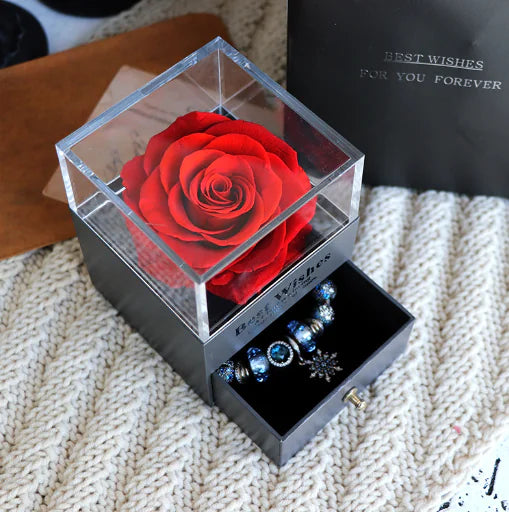
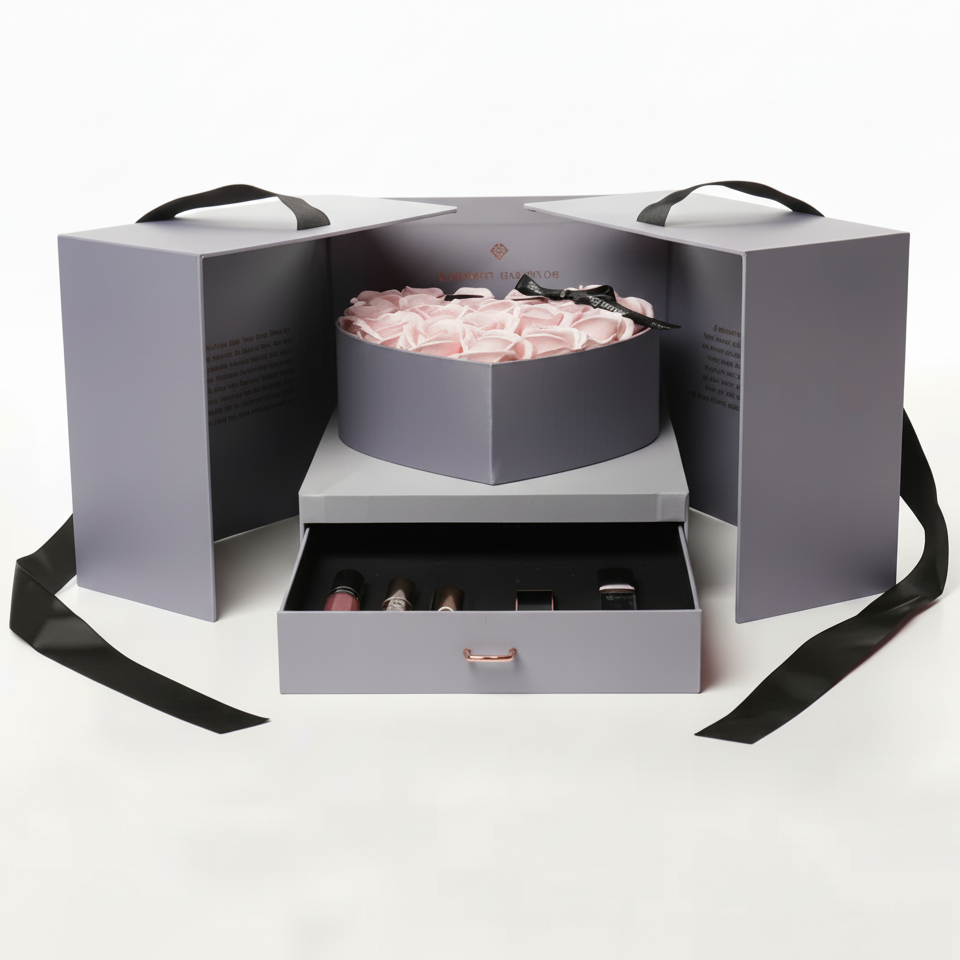
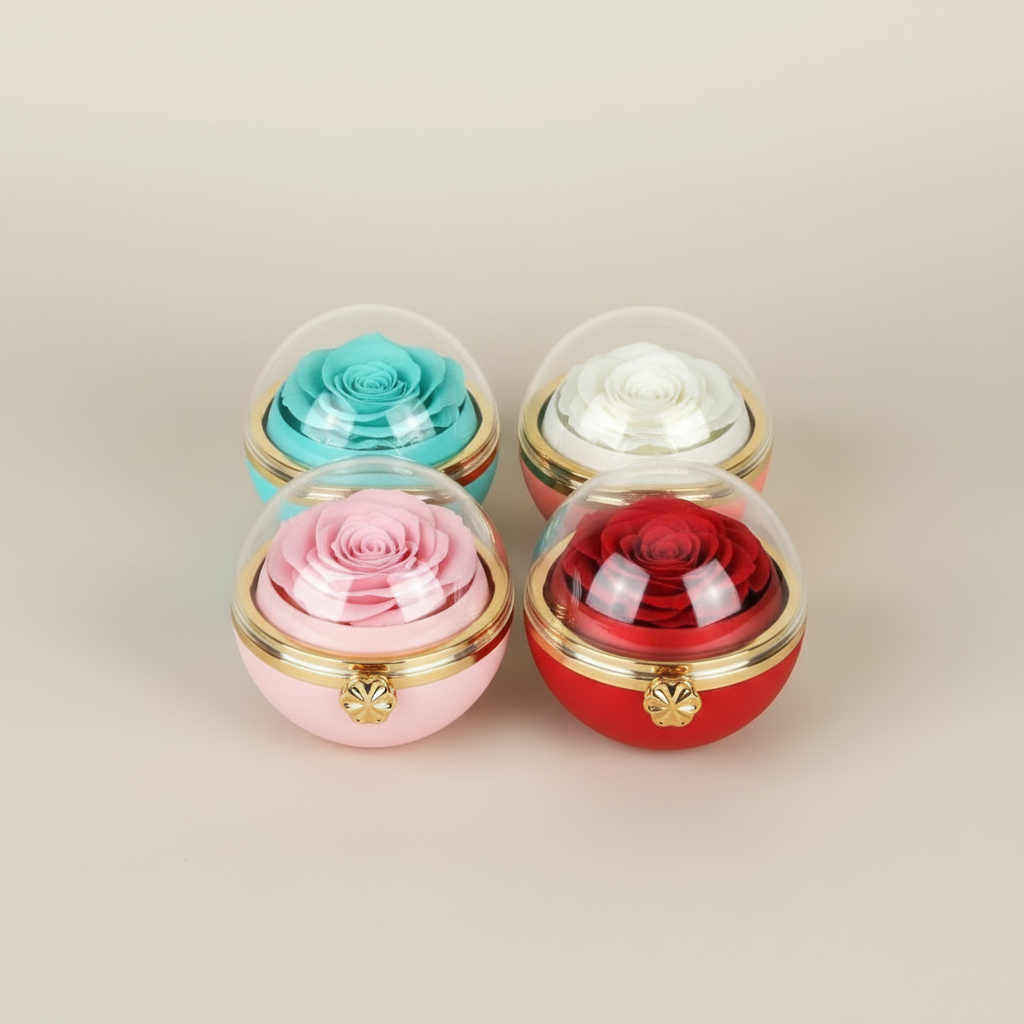
This routine takes only a few minutes, but makes a huge difference. While cut roses are a fleeting beauty, alternatives offer lasting joy. Discover the elegance of an everlasting rose in a gift box that preserves its splendor forever.
Common mistakes that shorten the life of your roses
Sometimes you put in the most effort, and yet the roses droop after just a few days. Why is that? Often it's small, inconspicuous habits – real "rose killers" – that are easily avoided once you know them.
One of the most common mistakes isn't directly related to the rose itself, but rather to its location. Perhaps the vase looks beautiful on a sunny windowsill or right next to a brimming fruit bowl. Unfortunately, both are detrimental and drastically shorten the lifespan of your roses.
The wrong location and its consequences
Roses are quite sensitive when it comes to their environment. They particularly dislike two things: direct sunlight and the presence of ripening fruit.
- Direct sunlight: Intense heat acts like a turbocharger for the aging process of roses. Their metabolism is accelerated, and they wilt faster. At the same time, the water in the vase evaporates much more quickly, leading to a rapid lack of water – even if you diligently refill it.
- Proximity to fruit: Ripening fruits like apples, bananas, or tomatoes emit ethylene gas . This invisible gas is a ripening hormone that causes not only the fruit itself but also the flowers around it to age faster. A fruit bowl nearby is essentially a time-lapse button for your bouquet of roses.
The ideal spot is therefore cool, bright, but without direct sunlight and, above all, far away from the fruit bowl. A side table in the living room is often a much better choice than the windowsill in the kitchen.
Tools and technology make the difference
Another classic mistake is the initial cut. People quickly reach for ordinary household scissors without giving it much thought. The problem: Dull or unsuitable scissors crush the delicate water pipes in the stem instead of cutting them cleanly.
Imagine these vascular bundles as tiny straws. If they are crushed, water absorption is blocked. The rose then literally dies of thirst, even though it is in a vase full of water.
The mistake: Using blunt scissors that crush the stem. The solution: Always use a very sharp, clean knife or special rose shears. A smooth, angled cut increases the surface area for water absorption and keeps the pipes clear.
Just as important as the right tool is the right technique. Never leave the stems exposed to air after cutting them. Even a few minutes can be enough for air bubbles to enter the vascular system and cause a blockage. It's best to cut the stems directly under running water and place the roses in the vase immediately.
Typical grooming mistakes and how to avoid them
Sometimes it's the little things that make the biggest difference. To help your roses stay fresh as long as possible, I've compiled the most common mistakes and their simple solutions for you here.
| The error | Why it harms roses | The correct method |
|---|---|---|
| Use blunt scissors | It crushes the water channels in the stem and blocks water absorption. | Use a sharp knife for a clean, angled cut. |
| Location next to fruit | Ethylene gas from fruit accelerates the aging process of flowers. | Place the vase in a cool place with no fruit nearby. |
| Direct sunlight | Heat causes roses to wilt faster and water to evaporate faster. | Choose a bright but shady spot without direct midday sun. |
| Leaves in the water | Rotting leaves promote bacterial growth, which contaminates the water and attacks the stems. | Remove all leaves that would touch the water's surface. |
These simple adjustments will give your roses the best chance to display their full beauty for a long time. It's worth it.
First aid when roses droop
A disappointing sight: You were just admiring your magnificent bouquet of roses when suddenly the first blossoms droop. But don't panic – this is usually not a sign of impending doom, but rather a cry for help that you can respond to. Often, a simple but insidious problem lies behind it.
The most common reason for drooping rose heads is a blockage in the stem's vascular system. Imagine the fine channels inside like tiny straws. If a small air bubble gets trapped, it acts like a cork and stops the flow of water. The rose literally withers from thirst, even though it's in a full vase. Luckily, there are a few tricks you can use to revive it.
The emergency cut underwater
The safest method to get rid of the air bubble and immediately restore water absorption is to recut the fish – but this time with a crucial twist.
- Fill your sink or a tall container with lukewarm water.
- Submerge the entire stem of the wilting rose below the water's surface.
- Now, while the stem is completely submerged in water, cut it at an angle of at least two to three centimeters with a very sharp knife.
- Immediately afterwards, place the rose in a clean vase with fresh water, without lifting it out of the water beforehand.
By cutting underwater, you prevent air from immediately re-entering the freshly opened pipe. This reliably removes the blockage.
The trick with the hot water
Another surprisingly effective method is the so-called "heat shock". The heat forces the trapped air bubbles to expand and escape from the stem.
A crucial point in this process: protect the delicate flower heads from the hot steam. Carefully wrap them in a kitchen towel or paper so that only the stem ends are exposed to the heat.
Bring a small amount of water to a boil and pour it into a heatproof glass. Immerse the freshly cut stem ends in the boiling water for about 20 to 30 seconds . You can often see tiny bubbles rising – that's the trapped air escaping.
Immediately place the roses back in their vase with fresh, lukewarm water. By taking these rescue steps, you give your roses a real second chance and can often enjoy their beauty for many more days.
The most important questions about the shelf life of roses
There are countless myths and well-meaning tips surrounding the care of cut roses. But what actually works, so that the question "How long do roses last in a vase?" can finally be answered with a happy smile? Here, we debunk the most frequently asked questions and present clear facts to help you care for your roses in the best possible way.
Many tips focus on what you can add to the water. However, the first and most important step is something completely different: a clean environment. Bacteria are the absolute enemy of every cut flower, which is why a spotless vase is absolutely essential.
Do home remedies like sugar really work?
The logic behind it sounds good at first: sugar is supposed to serve as food for the rose. That's basically true, but there's a huge catch. Sugar is also the favorite food of bacteria, which then multiply explosively in the water.
Without an ingredient that inhibits bacterial growth, sugar does more harm than good. Professional flower food therefore contains not only nutrients, but also active ingredients that keep germs in check and balance the pH of the water.
A spoonful of sugar alone is therefore counterproductive. Only in combination with something acidic, such as a squeeze of lemon or vinegar, can it have a positive effect – but it still doesn't replace a proper food preservative.
Cold or lukewarm water for roses?
Most of us instinctively reach for ice-cold, fresh tap water. However, roses can actually absorb lukewarm water much better and faster. The molecules in warmer water are more mobile, which strongly supports the "drinking straw effect" in the delicate vascular tissue of the stem.
Ice-cold water can cause a kind of shock in roses, temporarily blocking their ability to absorb water. Lukewarm water, on the other hand, makes rehydration easier, especially after a long journey. Remember: roses that have been without water for a while are extremely thirsty – and the question of how long roses can survive without water illustrates just how critical this condition is.
How can I tell if roses are fresh when buying them?
Even the best care won't help much if the roses weren't fresh when you bought them. But with a few simple tricks, you can check the quality yourself:
- The pressure test: Gently press on the stem directly below the flower head. If it feels nice and firm , the rose is fresh. If it gives way, it's past its best.
- The sepals: The small green leaves directly below the flower should stand crisply upright or to the side. If they are already drooping, that's not a good sign.
- The petals: Carefully feel the outer petals. They should feel firm and almost a little "crisp", without any brown or wilted edges.
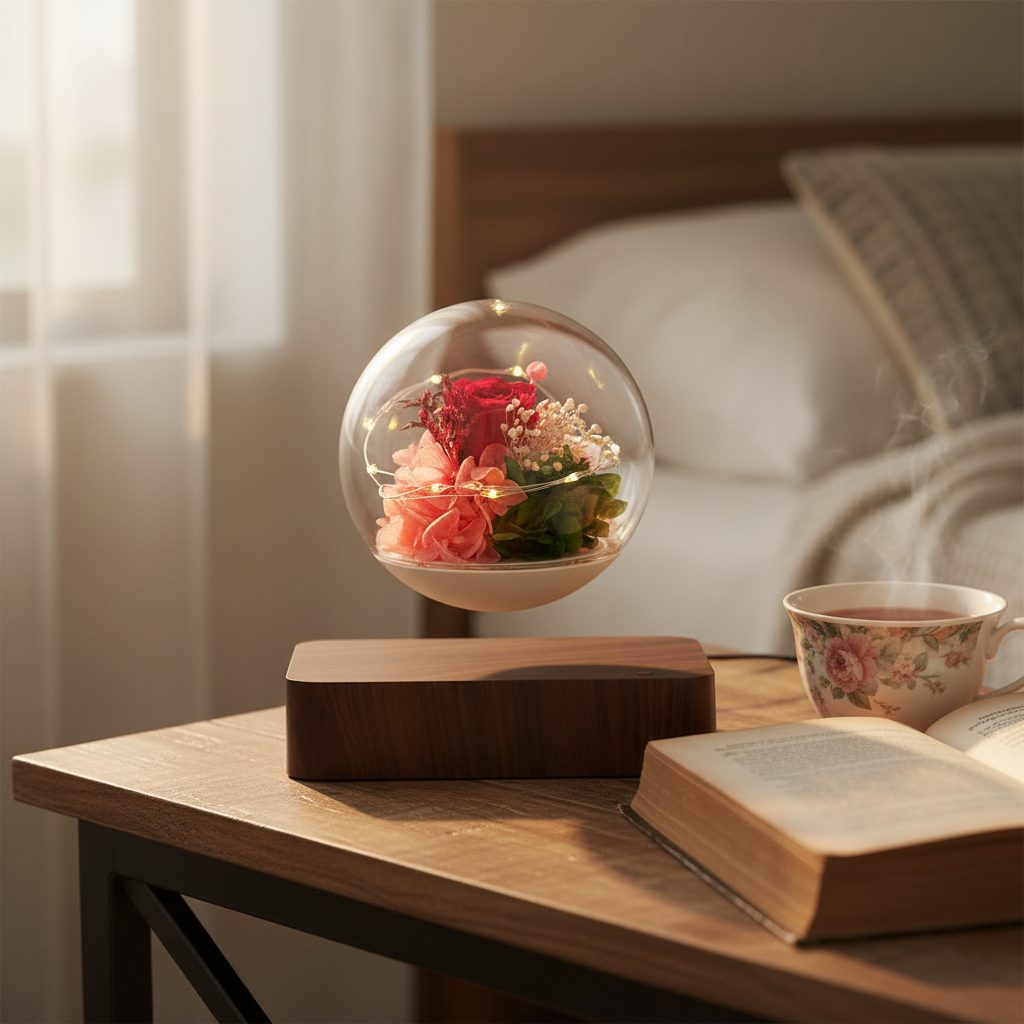
Do you want to give a gift of beauty that will retain its splendor forever and never fade? Amorlune 's elegant rose boxes are a timeless alternative to fresh flowers, preserving special moments for eternity. Discover the collection now at amorlune.com .

Written by Dennis Schröder