How do I keep roses fresh in a vase for the longest time?
Everyone knows that disappointment: you receive a beautiful bouquet of roses as a gift, but after just two or three days, the blooms are sadly drooping. The question "How do you keep roses looking their best for as long as possible?" isn't a secret, though. It's simply the result of a few simple, yet absolutely crucial steps. Immediate and proper preparation right after purchase is key to ensuring your roses can display their full splendor in the vase.
The secret to long-lasting roses: a quick guide
Whether your cut roses bring you joy for a week or wilt after just a few days is no accident – it's in your hands. Without the right care, even the freshest flowers quickly give up the ghost. But with a few simple steps that only take a few minutes, you can significantly extend their lifespan.
Basically, everything is built on three pillars:
- The correct cut: A slanted, clean cut with a sharp knife is essential. It increases the surface area through which the rose can absorb water and prevents the fine vascular bundles in the stem from being crushed.
- Clean water and a clean vase: Bacteria in the water are the biggest enemy of any cut flower. A spotless vase and regular water changes are therefore essential to prevent rot from the outset.
- The ideal location: Roses are a bit temperamental. They dislike direct sunlight, heat, and drafts. A cool, shady spot, far away from the fruit bowl, will prolong their beauty considerably.
These are not mere recommendations, but measures with proven effectiveness. Florists and studies repeatedly confirm that proper treatment can double the typical shelf life from 5–7 days to an impressive 10 to 14 days .
Remember this: The first 30 minutes after the roses arrive at your home determine the next ten days. Every action you take lays the foundation for a long flowering period.
For those who love roses as a symbolic gift, there are also wonderful, creative alternatives to the classic bouquet. If you're curious, discover various gift ideas with roses that will bring joy long after the moment is over.
In the following sections, we will take a close look at every aspect of rose care.
The perfect start for your roses in the vase
The first few minutes determine whether your roses will last for three days or over a week. Every step you take immediately after unpacking lays the foundation for their longevity. Think of it as a small welcoming ritual that helps the flowers recover from the stress of transport and prepares them perfectly for their new home in the vase.
This process, by the way, doesn't begin with the water, but much earlier: with the choice of the right container.
The right vase and the perfect cut
Something many people underestimate: the cleanliness of the vase. Even tiny remnants of old bouquets or dust contain bacteria that attack the fresh stems and block water absorption. The vase must therefore be spotlessly clean – ideally, wash it with hot water and a drop of dish soap, then rinse thoroughly.
Size also plays a role. The rose stems should stand loosely in the vase without being squashed. As a rule of thumb, the vase should be about half as tall as the stems are long. This gives the flowers enough support without anything breaking.
The most important step, however, is the cut. Always use a sharp, smooth knife for this – never scissors. Scissors, even special flower shears, crush the delicate water-conducting vessels (the xylem) in the stem. This immediately and drastically reduces the rose's ability to absorb water.
Make a long, angled cut of about 3 to 5 centimeters . This large, smooth cut surface maximizes the area for water absorption. It's best to do this directly under running water or in a bowl of water. This prevents air bubbles from entering the vessels and blocking them like an embolism.
Water quality and removing leaves correctly
After the perfect cut, prepare the stems yourself. Carefully remove all leaves that would later hang below the waterline. Any leaf that ends up in the water will quickly begin to rot and become an ideal breeding ground for bacteria.
These bacteria multiply rapidly, contaminate the water, and can clog freshly cut stem ends. As a result, your rose will literally die of thirst, even though the vase is full. Be careful not to damage the bark of the stem while cutting.
Fill the vase with lukewarm, ideally low-lime water. Lukewarm water contains less dissolved oxygen, which reduces the formation of air bubbles in the stems and noticeably facilitates water absorption.
Now dissolve the enclosed preservative completely in the water. These small packets contain a specially formulated blend of sugar (nutrient), an acidity regulator (improves water absorption), and a biocide that inhibits bacterial growth. Forget old home remedies and trust this professional formula – it will give your roses the best possible start.
The following infographic summarizes the key steps for long shelf life:

The graphic makes it clear: Longevity isn't rocket science, but rather based on a few crucial steps. The right cut, clean water, and a cool location form the foundation.
A fresh bouquet is a wonderful gesture, but sometimes the question arises of its longevity compared to other options. Our guide highlights the advantages of rose boxes and classic bouquets , helping you choose the right one for the occasion.
The right care for a long flowering period

Are your roses perfectly prepared in the vase? Wonderful, now comes the crucial part: ongoing care. It sounds like a lot of work, but in reality, it's a simple routine that makes all the difference between a bouquet that wilts after three days and one that stays vibrant for over a week.
First things first: Roses get thirsty. Check the water level every day and top it up as needed. On warm days or in dry, heated air, more water evaporates than you might think.
A complete water change is necessary every two days. This step is non-negotiable, because even with nutrient solution, bacteria can form in the water. These invisible culprits clog the delicate vascular tissue of the stems and cut off the rose's water supply.
Change the water and trim the stems.
Carefully remove the roses from the vase. Don't just rinse the vase briefly; clean it thoroughly with warm water and a brush. This will remove the invisible film of bacteria that settles on the glass. Then refill it with fresh, lukewarm water and a fresh dose of flower food.
Before placing the bouquet back in fresh water, trim the stems. A small cut of about one centimeter is perfectly sufficient. This removes any dried-out or clogged ends and ensures that water absorption is once again at its peak.
My pro tip: Hold the stem ends directly under running water before recutting. This prevents air bubbles from entering the vascular system and causing a kind of "embolism" that blocks water transport.
The ideal location and its invisible enemies
Besides watering, the location is the most important factor in determining how long your roses will last . It can extend the flowering period by days – or drastically shorten it. The biggest enemies of your roses are heat, direct sunlight, and a gas that most people don't know about.
Therefore, you should absolutely avoid these places:
- Direct sunlight: A sunny windowsill may look beautiful, but the intense heat causes flowers to age faster and water to evaporate in record time.
- Proximity to radiators: The dry, warm air draws moisture from the petals. They become limp and wilt much faster.
- Drafts: Constant drafts through an open window or air conditioning stress the flowers and accelerate evaporation.
An often overlooked factor is ethylene gas . This natural ripening gas is released by many fruits, especially apples, bananas, and tomatoes. It dramatically accelerates the aging process of cut flowers. So never place your bouquet of roses directly next to a fruit bowl.
A cool, shady spot without direct sunlight and far away from fruit is the ideal place to truly maximize the lifespan of your roses.
Common mistakes and myths in rose care – what is really true?
Proper rose care sometimes seems like a science in itself, surrounded by countless myths and tips passed down from generation to generation. Everyone has heard a "secret tip" that supposedly prolongs the blooming season indefinitely.
The problem? Many of these well-intentioned tips are not only ineffective, but actually shorten the lifespan of your roses considerably. Time to debunk the most persistent myths.
The crushing scissors and other beginner mistakes
A classic mistake happens right after unpacking: many people reach for the scissors. Even sharp flower scissors crush the delicate vascular bundles in the stem instead of cutting them cleanly. You can think of it like a bent straw – the rose simply can't absorb water properly anymore.
From that moment on, her fate is essentially sealed. She will wilt, no matter how well-intentioned you are afterward. A sharp, smooth knife is the only right choice here.
From sugar water to copper coins: The world of home remedies
And then there are the countless home remedies that are touted as true miracle cures. But the biology of a cut flower is unfortunately somewhat more complex.
Let's take a closer look at the most well-known myths:
- Adding sugar to the water sounds logical, since sugar is energy. But in vase water, it's primarily one thing: food for bacteria. Without an antibacterial agent, like the kind found in professional flower food, you'll cause a veritable bacterial explosion. This biofilm clogs the stem ends, and the rose literally dies of thirst.
- Placing a copper coin in a vase: The idea behind this is that copper has an antibacterial effect. While this is true in principle, the amount of copper ions released by a single coin is so negligible that it has absolutely no effect on bacterial growth in the water. It's a complete myth.
- Adding aspirin or dish soap: Aspirin changes the pH of the water, but often uncontrollably and not to the rose's advantage. Dish soap, on the other hand, does break the surface tension of the water, but can simultaneously attack and damage the delicate cut at the end of the stem.
Professional flower food isn't just a marketing gimmick. It's a precisely balanced formula of nutrients (the "food"), an acidity regulator (to ensure proper water absorption), and a biocide that effectively inhibits bacterial growth. You simply can't achieve this balance with home remedies.
Another crucial point that is often overlooked is hygiene. Simply topping up the water instead of completely replacing it and cleaning the vase is a mistake. An invisible biofilm of bacteria forms on the rim of the vase, immediately contaminating any fresh water.
Rose care myths fact-checked
To provide definitive clarity, I've directly compared the most common myths with practical facts here. This brief overview will help you make the right decisions for your roses.
| myth | The reality | Our recommendation |
|---|---|---|
| Sugar is good food for roses. | Sugar causes bacteria to explode, which clog the stems. | Use only professional flower food with an antibacterial component. |
| A copper coin in water kills germs. | The amount of copper released is far too small and therefore ineffective. | Clean the vase thoroughly every 2 days and change the water completely. |
| Aspirin or dish soap will keep roses fresh. | The effect is uncontrolled and can do more harm than good to the stems. | Trust in tried and tested food preservatives from specialist retailers. |
| Scissors are handy for cutting. | Scissors crush the blood vessels and block water absorption. | Always use a sharp, smooth knife for a clean angled cut. |
By avoiding these common mistakes, you create by far the best conditions for a long flowering period. Then the question "How do roses last the longest?" is no longer answered with myths, but with solid, proven knowledge.
First aid for wilted roses: How to save your bouquet

Sometimes, despite the best care, it happens: overnight, the roses suddenly droop. This is annoying, but no reason to give up on the bouquet immediately. Most of the time, the problem isn't the rose itself, but a simple blockage in the water supply. With the right steps, you can often revive the wilted blooms.
The most common culprit is a tiny air bubble in the stem, which florists call an air embolism . It acts like a small plug in the vascular system and prevents water from reaching the bloom. The rose essentially dies of thirst, even though it's in a full vase.
Fortunately, there is a very effective method to solve this problem.
Shock therapy with lukewarm water
What sounds dramatic is actually a tried-and-tested technique among professionals to get water absorption going again. Lukewarm water helps to dissolve air bubbles and clear the vascular system. It's the quickest answer to the question of how to revive wilted roses.
Here's how it works:
- Trim the stems: Remove the roses from the vase and trim the stems generously. Take a sharp knife and shorten them by about three to five centimeters – a long, diagonal cut is ideal.
- Into the water bath: Fill a clean sink or a large bowl with lukewarm water (approx. 35–40 °C ). Then place the whole roses in it so that the stems and flower heads are completely submerged.
- Patience is required: Now let the roses soak in the water for at least 30 to 60 minutes . During this time, the stems will absorb water across their entire surface, while the trapped air bubbles will slowly dissolve.
In most cases, you will see a significant improvement immediately after the bath. The stems will feel firmer and the blossoms will slowly perk up again.
Stabilization after the rescue
Once the roses are removed from the water, the next step is crucial for long-term success. Although the stems are once again plump with water, they are still somewhat weakened.
Remove the roses from the bath and wrap each bloom tightly in newspaper, leaving only the flower head exposed. This tight wrapping supports the stem and helps the rose to stand upright again.
Place the wrapped roses in a clean vase with fresh water and nutrient solution for a few hours. When you remove the paper afterwards, the roses will usually stand upright and proud again.
Keep in mind that these first-aid measures are a second chance, not a guarantee. They work best when wilting has just begun.
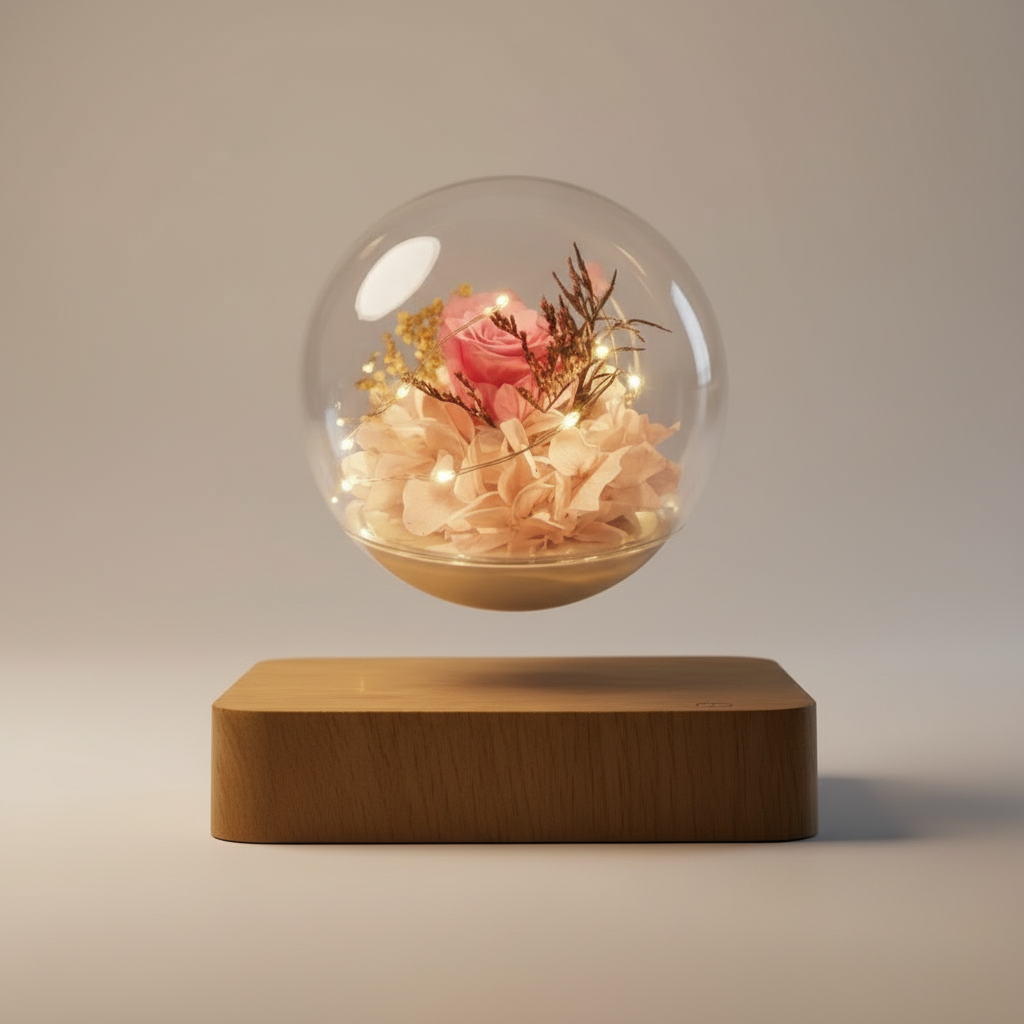
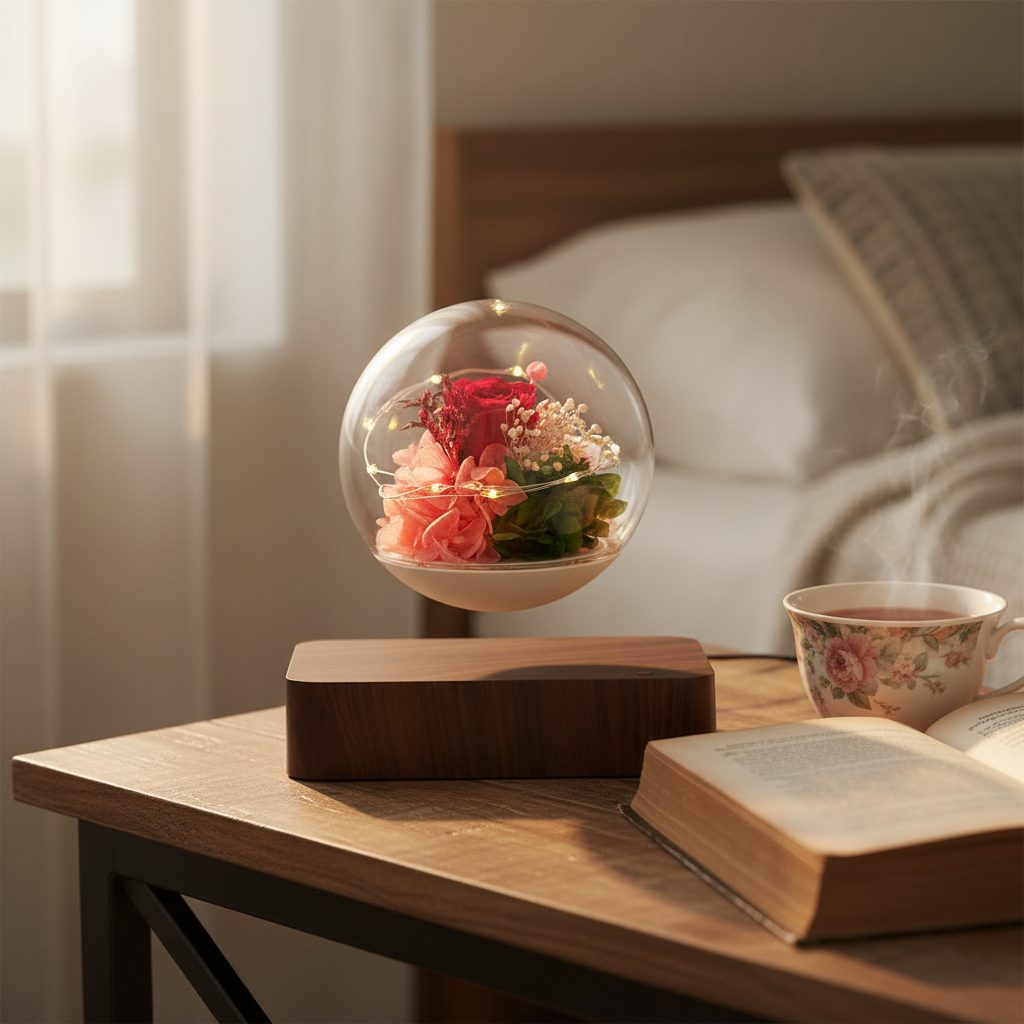
If you're looking for lasting enjoyment without the hassle of maintenance, there are of course other decorative solutions. Discover creative ideas for long-lasting floral arrangements, including everlasting roses as a particularly stylish alternative.
The rose's journey from the field to your home
To ensure a rose stays beautiful in your home for a long time, we need to understand its story – and that begins long before it even reaches your vase. Its lifespan is shaped by every single step on its journey, from the field to the flower shop. One of the most important, yet often invisible, factors in this process is the cold chain.
From the moment of harvest, the rose is essentially in a race against time. Ideally, it is immediately refrigerated and remains so – during transport, in storage, and until it is sold. Any interruption of this cold chain stresses the flower. It begins to "breathe" faster, uses up valuable energy reserves, and ages rapidly. This can shorten its subsequent shelf life by days.
It's hard to believe, but around 50–60% of cut flowers sold in Germany are imported. These long journeys make uninterrupted refrigeration all the more crucial. Dry storage at the retailer or a warm truck can mean the difference between a week of enjoyment and just three days. You can find out more about the impact of transport on cut flowers at nachhaltig-sein.info.
How to recognize truly fresh roses
You don't need to be a professional to check the quality right when buying roses. A few simple steps and a trained eye will immediately tell you whether you'll enjoy them for a long time.
Simply pay attention to these features:
- Firm flower heads: Gently grasp the rose just below the bloom. If this area feels firm and plump, that's a great sign. If it's soft, it's best to leave the rose.
- Crisp leaves: The leaves should be deep green and firm, without cracks or wilted areas. They are a good indicator of the plant's overall health.
- No brown edges: Examine the edges of the petals carefully. If they are already starting to turn brown or look dry, the rose is older.
Practical questions: Quick answers about rose care
Even with the best care, questions sometimes arise. Here I've compiled the most frequently asked questions for you and give you clear, practical answers so you can avoid typical mistakes and enjoy your roses for even longer.
Should I put my roses in a cooler place at night?
Yes, absolutely! It's an old florist's trick that really works. A cooler environment, for example an unheated hallway or cellar, significantly slows down the metabolism of roses.
This means they use less water and energy, which can easily extend their lifespan in the vase by one or two days . Just make sure the temperature doesn't drop below freezing; they don't like that at all.
Can't I just make my own flower food?
There are many recipes circulating on the internet that use sugar, vinegar, or even coins. But honestly, the composition of professional nutrient solutions is difficult to replicate.
Commercially available food preservatives contain not only sugar as an energy source, but also active ingredients that inhibit bacteria and an acidity regulator that optimizes water absorption.
An incorrectly mixed "home blend" can actually promote bacterial growth and ultimately do more harm than good to the roses. My advice: Trust the packets from the florist; they're specifically designed for this purpose.
Why do my roses droop despite good care?
That's frustrating, I know. If you've followed all the care instructions, the problem often lies before you even bought them. Perhaps the cold chain was interrupted during transport, the flowers were stored too dry for too long, or they're from an older harvest.
Sometimes a small air bubble in the stem, a so-called "air embolism," blocks the water supply. In this case, the emergency tip often helps: Cut the stems again underwater and try the rescue measures described in the article.
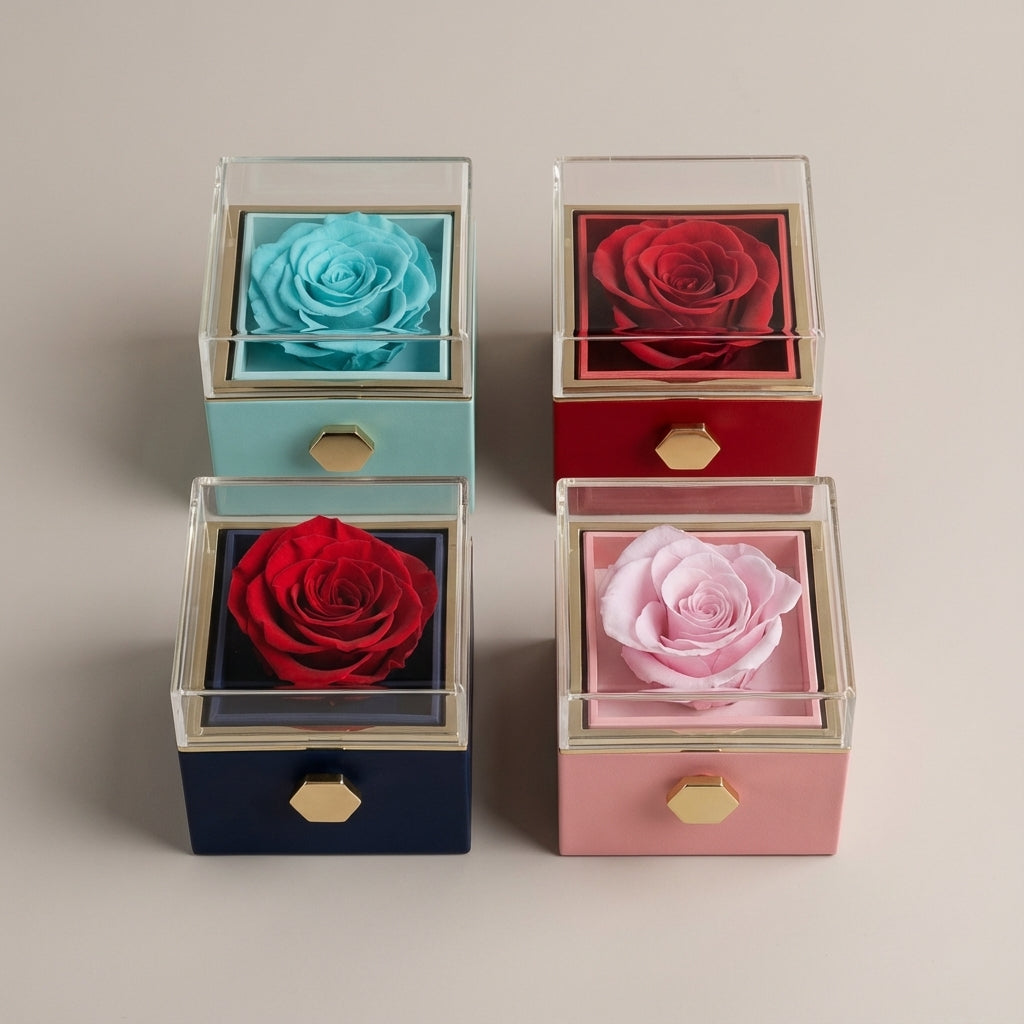
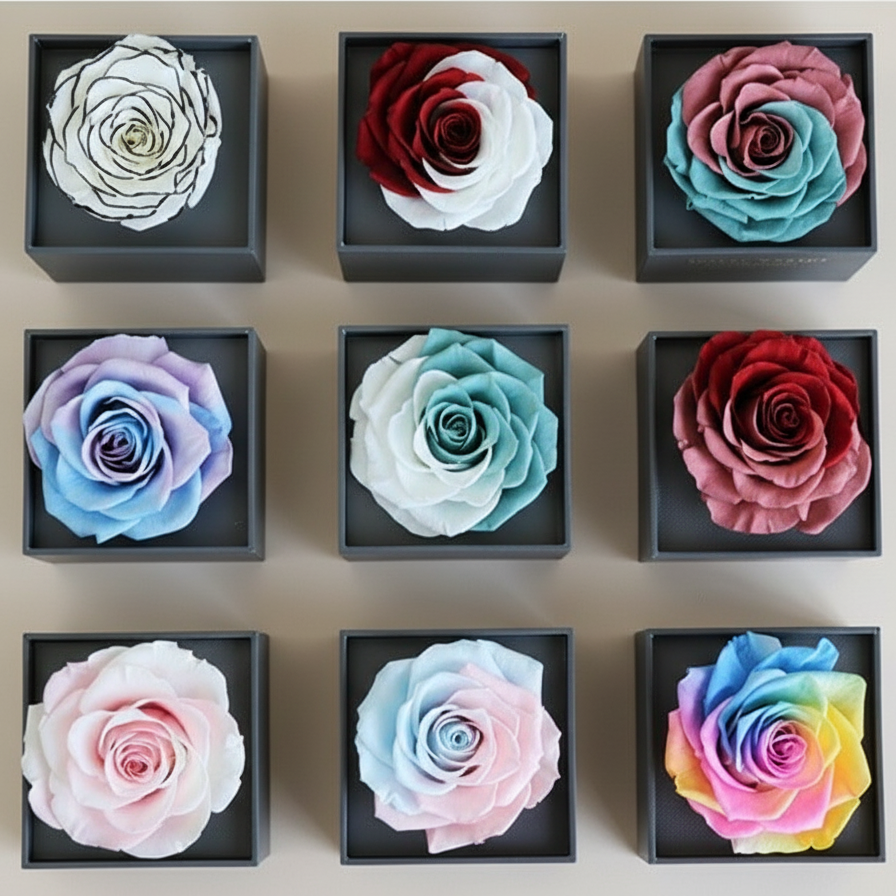
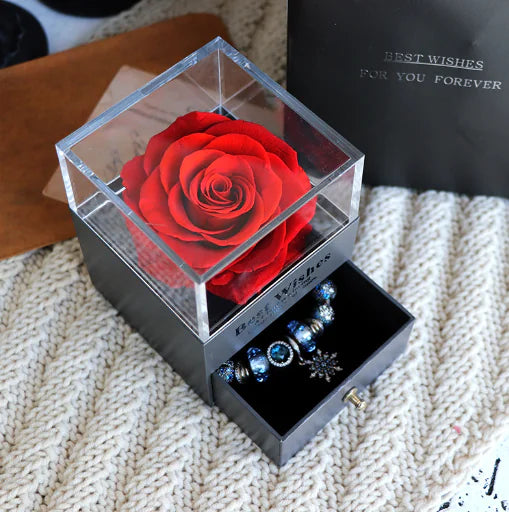
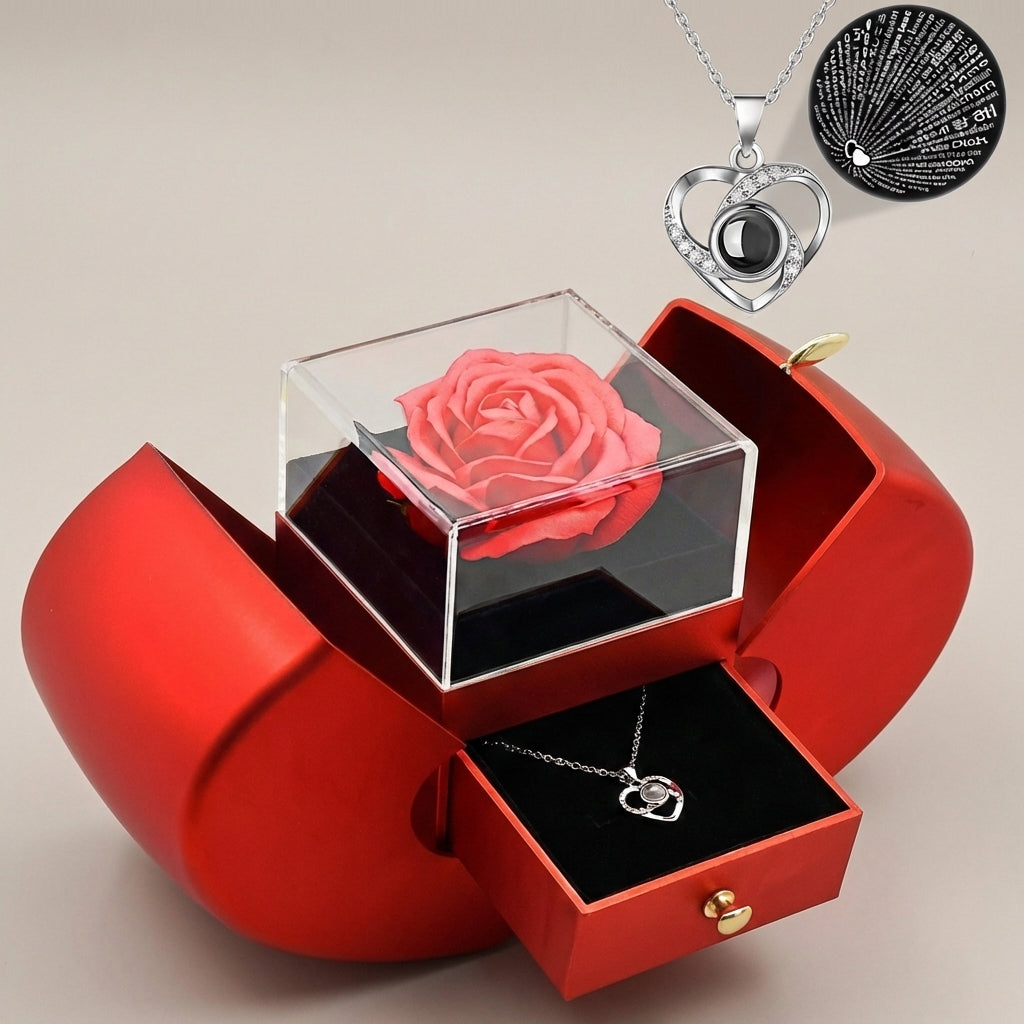
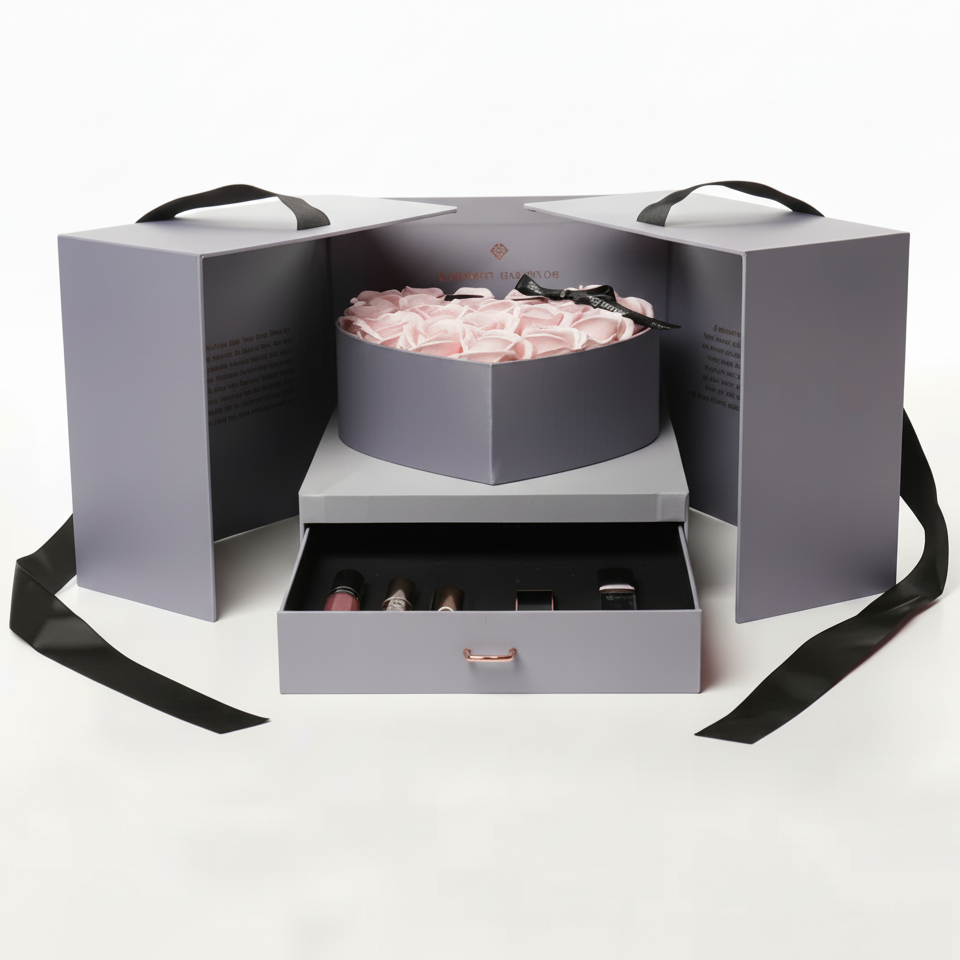
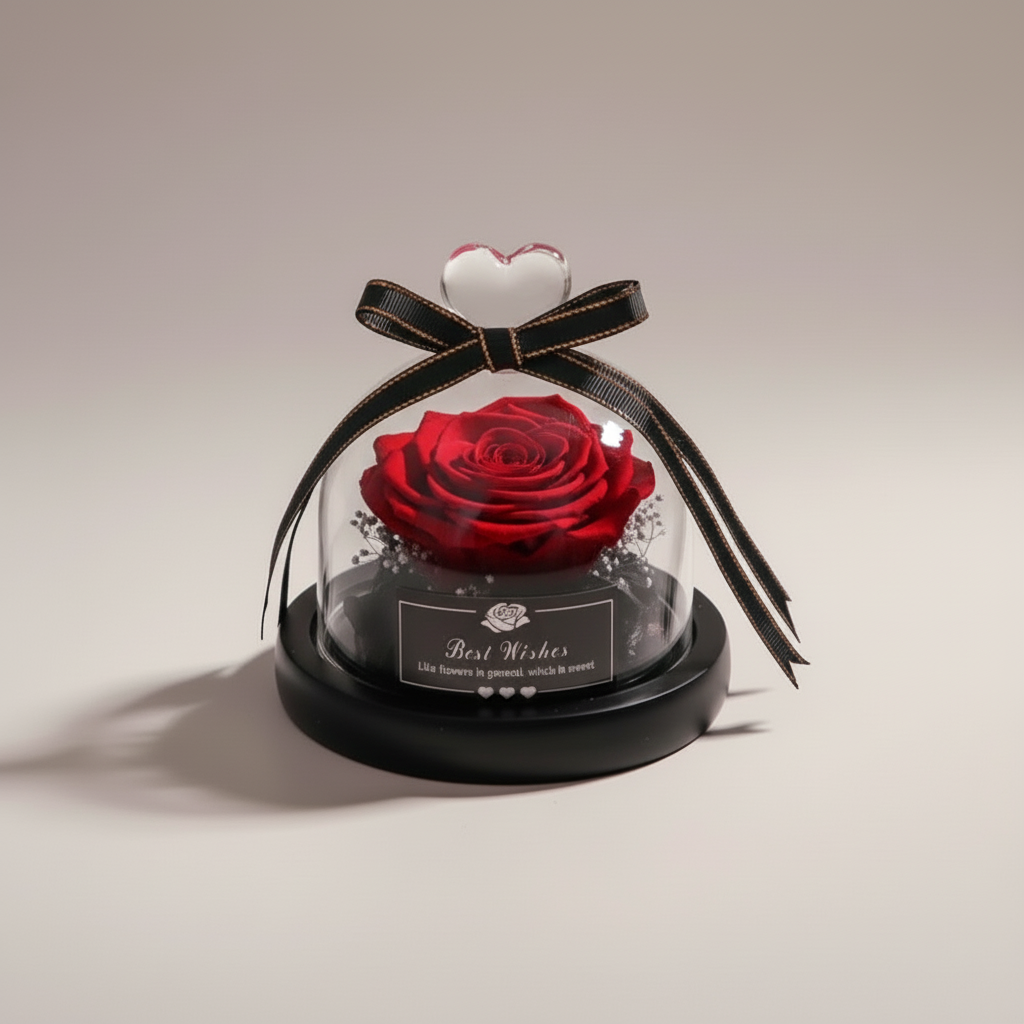
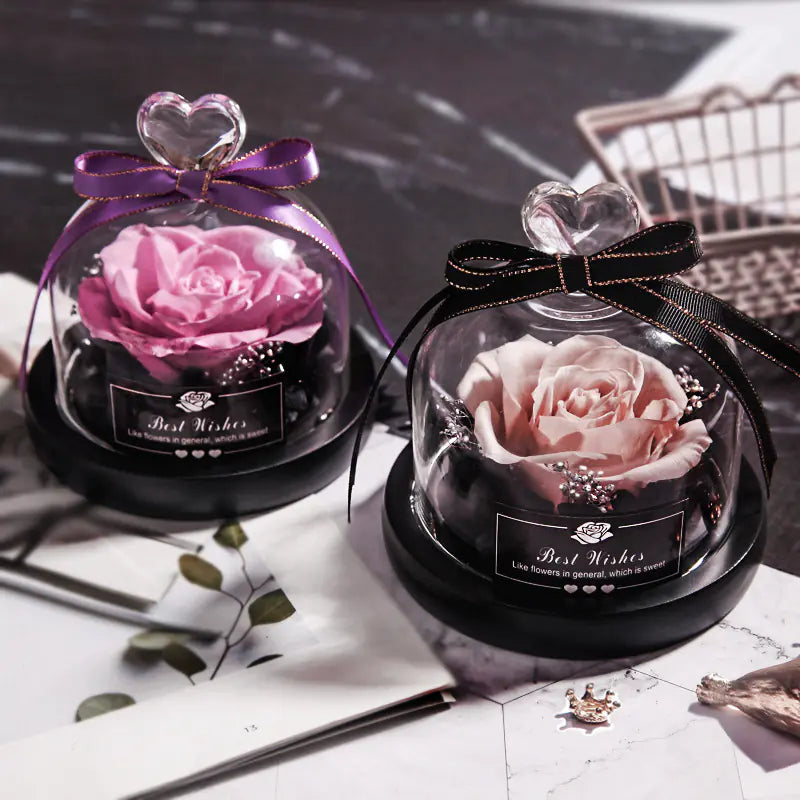
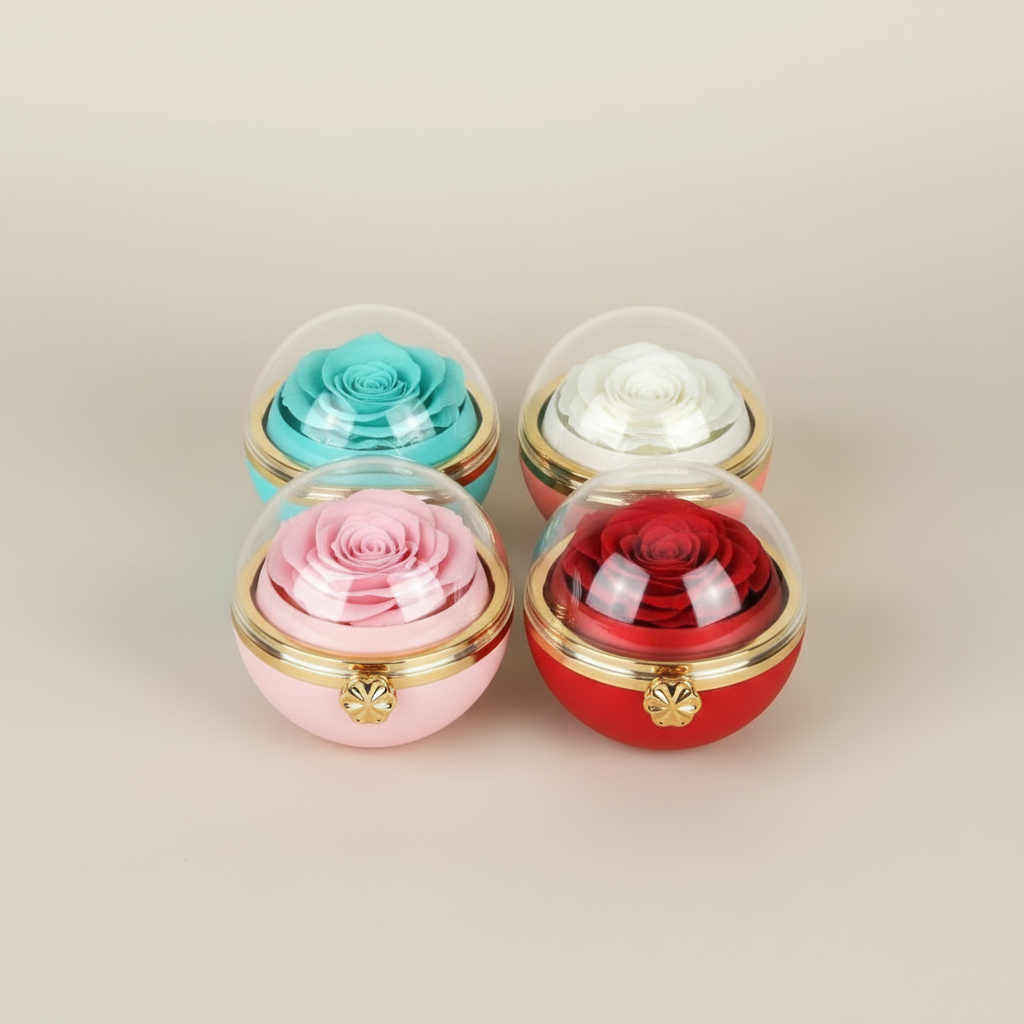
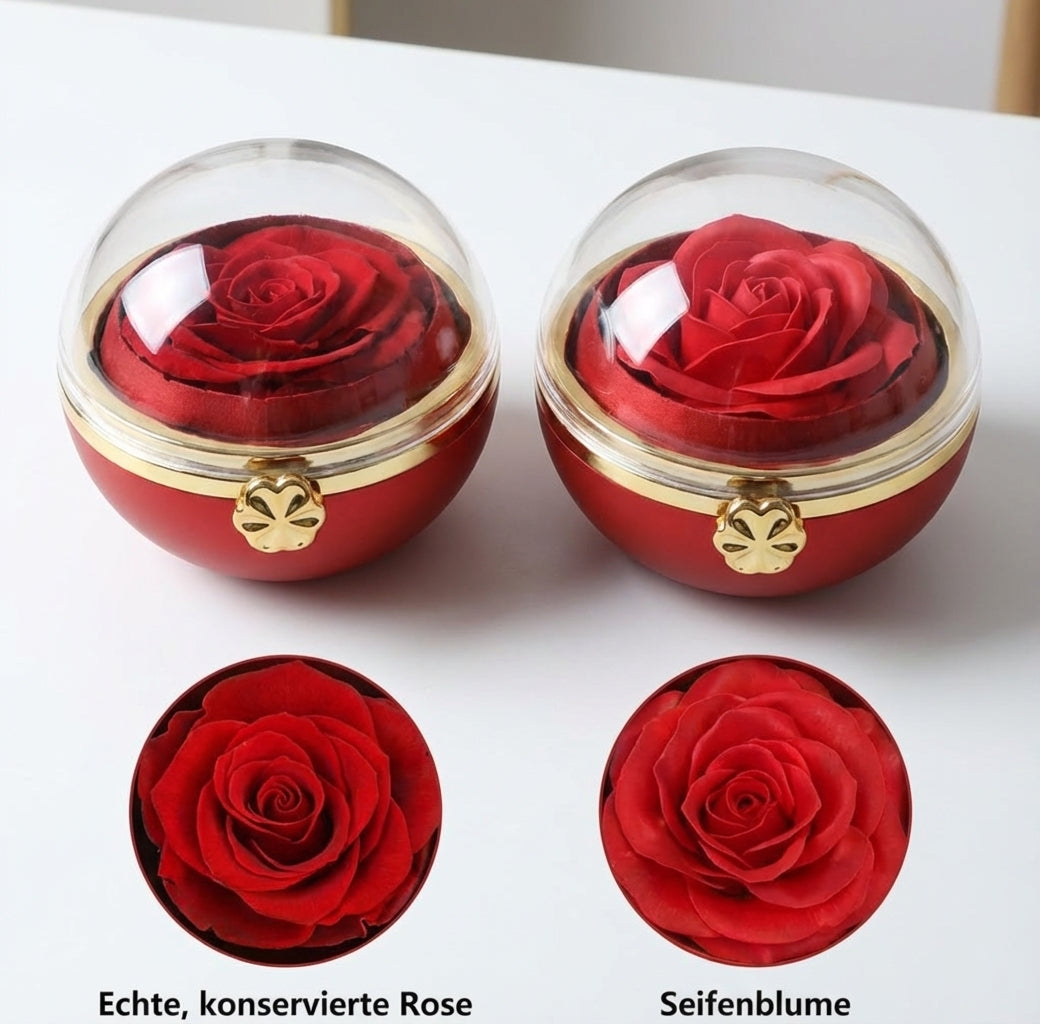
Want to give roses whose beauty lasts forever? Amorlune rose boxes are a timeless alternative that requires no maintenance and also serves as an elegant jewelry box. Discover the perfect gift that will last: https://amorlune.com

Written by Dennis Schröder