






















Role of Design in Memorable Gifts: Creating Lasting Impressions
Every american couple remembers a gift that truly touched their heart. Selecting a present goes far beyond appearances, shaping how love and gratitude are felt between partners. Studies show that well-designed gifts can deepen relationships and leave lasting emotional imprints. Thoughtful design bridges cultures and personalities, empowering couples worldwide to give more than just objects—they create unforgettable experiences.
Table of Contents
- Defining The Role Of Design In Gifts
- Key Design Elements For Lasting Memories
- Types Of Gift Designs And Their Meanings
- Design’s Impact On Emotional Connection
- Common Pitfalls In Gift Presentation
Key Takeaways
| Point | Details |
|---|---|
| Importance of Design | Gift design serves as an emotional communication tool, conveying intentions and cultural meanings beyond aesthetics. |
| Emotional Impact | Strategic design choices can enhance emotional resonance, strengthening personal connections through thoughtful selection. |
| Presentation Matters | Understanding the recipient’s preferences is crucial; effective gift presentation requires empathy and depth of understanding. |
| Avoiding Pitfalls | Common mistakes include focusing on personal taste rather than the recipient’s context, which can weaken the emotional significance of the gift. |
Defining the Role of Design in Gifts
Gift design transcends mere aesthetic considerations, representing a profound communication mechanism between the giver and receiver. Far more than a simple visual experience, design serves as a nuanced language of emotion and connection. Research from design experts reveals that gifts fundamentally represent and reinforce human relationships through carefully crafted visual and tactile experiences.
At its core, design in gift-giving functions as an intricate social dialogue. Commercial gift design traditionally centers on the giver’s perspective, using visual elements, materials, and form to convey specific messages or emotional intentions. The selected design communicates depth beyond the physical object itself, embedding cultural meanings, personal sentiments, and social expectations within its structure. Intentional design becomes a strategic tool for expressing complex interpersonal narratives that words alone cannot communicate.
The psychological dimensions of gift design are particularly compelling. Every design choice – from color palette to packaging texture – potentially influences the recipient’s emotional response. Professional designers understand that gifts are not merely transactional objects but emotional conduits that can strengthen relationships, express vulnerability, and create lasting memories. Successful designs anticipate and provoke specific emotional reactions, transforming ordinary objects into powerful symbols of connection and understanding.
Pro tip: When selecting a gift, focus on design elements that resonate with the recipient’s personal aesthetic and emotional landscape, not just your own preferences.
Key Design Elements for Lasting Memories
Creating memorable gifts requires strategic consideration of multiple design dimensions that transform ordinary objects into extraordinary emotional experiences. Systematic research reveals that truly impactful gifts extend far beyond physical attributes, integrating complex psychological and experiential components that engage recipients on profound emotional levels.
The fundamental design elements that generate lasting memories center on three critical dimensions: personalization, emotional resonance, and experiential quality. Personalization means tailoring the gift’s aesthetic and functional characteristics to reflect the recipient’s unique preferences, interests, and personal narrative. This goes beyond surface-level customization, demanding deep understanding of the individual’s emotional landscape and underlying motivations. Emotional resonance involves selecting design elements that trigger meaningful psychological responses, creating a sensory and intellectual connection that transcends the physical gift itself.
Experiential design represents a revolutionary approach to gift-giving, transforming objects from static items into dynamic narrative experiences. This means considering how the gift will be perceived, interacted with, and remembered. Design elements like packaging, presentation, texture, color psychology, and interactive components all contribute to creating a multisensory journey that transforms the act of receiving a gift into a memorable, emotionally charged moment. Professional designers understand that the most powerful gifts are those that tell a story, evoke genuine emotions, and create lasting impressions through carefully orchestrated design experiences.

Pro tip: When designing a memorable gift, prioritize creating a holistic experience that engages multiple senses and tells a personal story, rather than focusing solely on the physical object itself.
Types of Gift Designs and Their Meanings
Gift design encompasses a rich spectrum of styles, each carrying unique psychological and emotional significance. From minimalist approaches to elaborate narrative designs, these typologies reflect complex social communication strategies. While physical form matters, the true essence of gift design lies in its ability to convey unspoken emotions and personal connections. Exploring gift design approaches reveals the nuanced ways humans express intimacy and appreciation through carefully curated visual experiences.
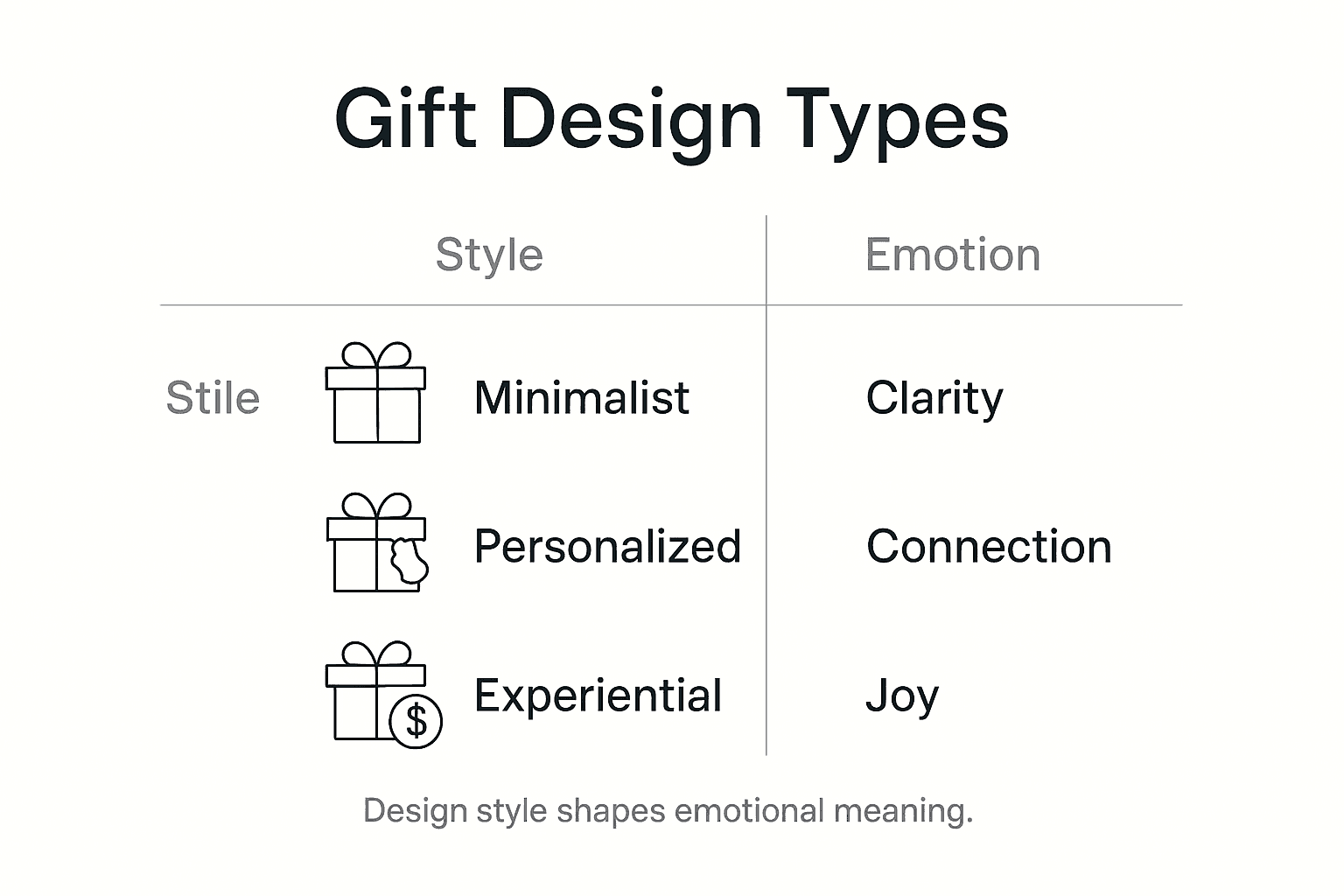
Five primary gift design categories emerge as powerful emotional communication tools. Minimalist Design prioritizes clean lines, understated elegance, and functional simplicity, communicating sophistication and refined taste. Narrative Design transforms gifts into storytelling objects, embedding personal histories, shared memories, or symbolic representations of relationships. Experiential Design moves beyond physical objects, creating immersive gift experiences that engage multiple senses and generate lasting emotional impressions. Cultural Design incorporates traditional motifs, craftsmanship, and symbolic elements representing heritage and shared cultural understanding. Personalized Design tailors every aesthetic and functional element to the recipient’s unique personality, preferences, and emotional landscape.
Each design approach serves as a sophisticated language of emotional expression, transcending mere material exchange. The selection of a specific design type communicates volumes about the relationship between giver and receiver. Minimalist designs might suggest understated intimacy and mutual sophistication, while narrative designs reveal deep emotional investment and storytelling. Cultural designs demonstrate respect and understanding of shared traditions, and personalized designs showcase profound individual attention. Professional gift designers understand that these design typologies are not merely aesthetic choices but intricate emotional communication strategies that forge deeper human connections.
Here’s a comparison of gift design categories and the emotional significance each can convey:
| Design Category | Core Attributes | Emotional Message | Ideal Use Case |
|---|---|---|---|
| Minimalist | Clean, simple, refined | Sophistication, intimacy | Professional or close friends |
| Narrative | Personal, storytelling | Deep connection, shared memories | Family, significant others |
| Experiential | Multisensory, engaging | Lasting impression, excitement | Milestone celebrations |
| Cultural | Traditional, symbolic | Respect, heritage | Cross-cultural relationships |
| Personalized | Tailored, unique | Individual attention, care | Anyone with defined preferences |
Pro tip: Select a gift design that authentically reflects the emotional depth and unique dynamics of your relationship, rather than conforming to generic gifting expectations.
Design’s Impact on Emotional Connection
Emotional design transforms gifts from mere objects into powerful conduits of human connection, transcending traditional transactional exchanges. Contemporary research demonstrates that carefully crafted design can anticipate and profoundly influence emotional responses, creating deeper interpersonal understanding through strategic aesthetic and functional choices.
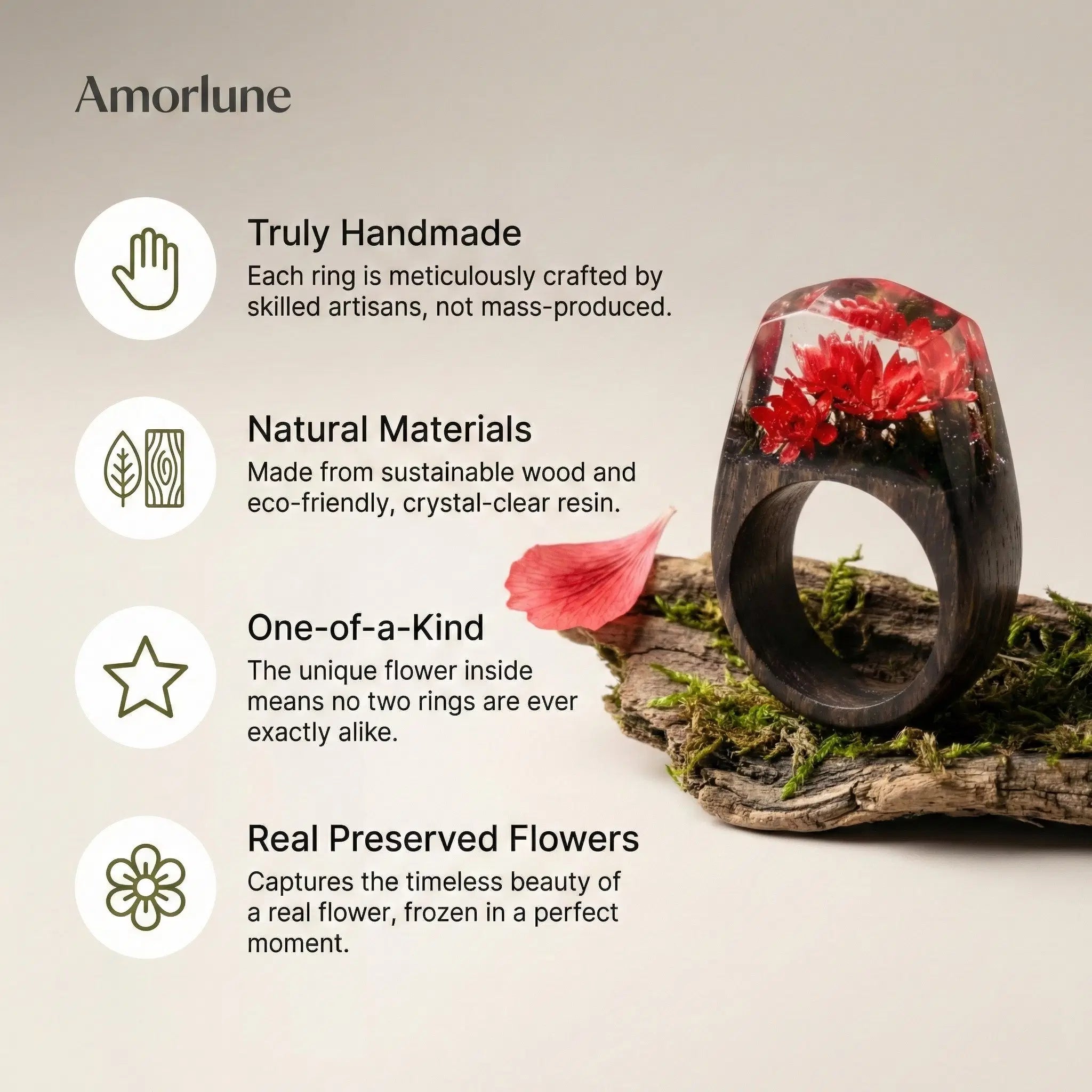
The psychological mechanisms underlying emotional design are complex and multifaceted. Emotional resonance emerges through carefully selected design elements that trigger specific neurological and psychological responses. Color psychology plays a critical role, with specific hues capable of evoking memories, calming anxieties, or stimulating positive emotional states. Texture becomes a silent communicator, with smooth surfaces suggesting elegance and refined sensibilities, while tactile, intricate designs can evoke feelings of warmth and personal investment. Material selection further amplifies emotional messaging, with natural materials like wood suggesting authenticity, metals conveying precision, and soft textiles communicating intimacy and comfort.
Beyond aesthetic considerations, emotional design functions as a sophisticated language of interpersonal communication. Designers strategically craft experiences that transcend visual appeal, creating multisensory narratives that speak directly to the recipient’s emotional landscape. This approach transforms gift-giving from a simple exchange into a nuanced ritual of emotional expression. Professional designers understand that every curve, color, and contour carries potential for deep emotional communication, allowing gifts to become powerful symbols of understanding, appreciation, and connection.
Pro tip: Consider the emotional narrative you want to communicate and select design elements that authentically translate your feelings, rather than focusing solely on aesthetic trends.
Common Pitfalls in Gift Presentation
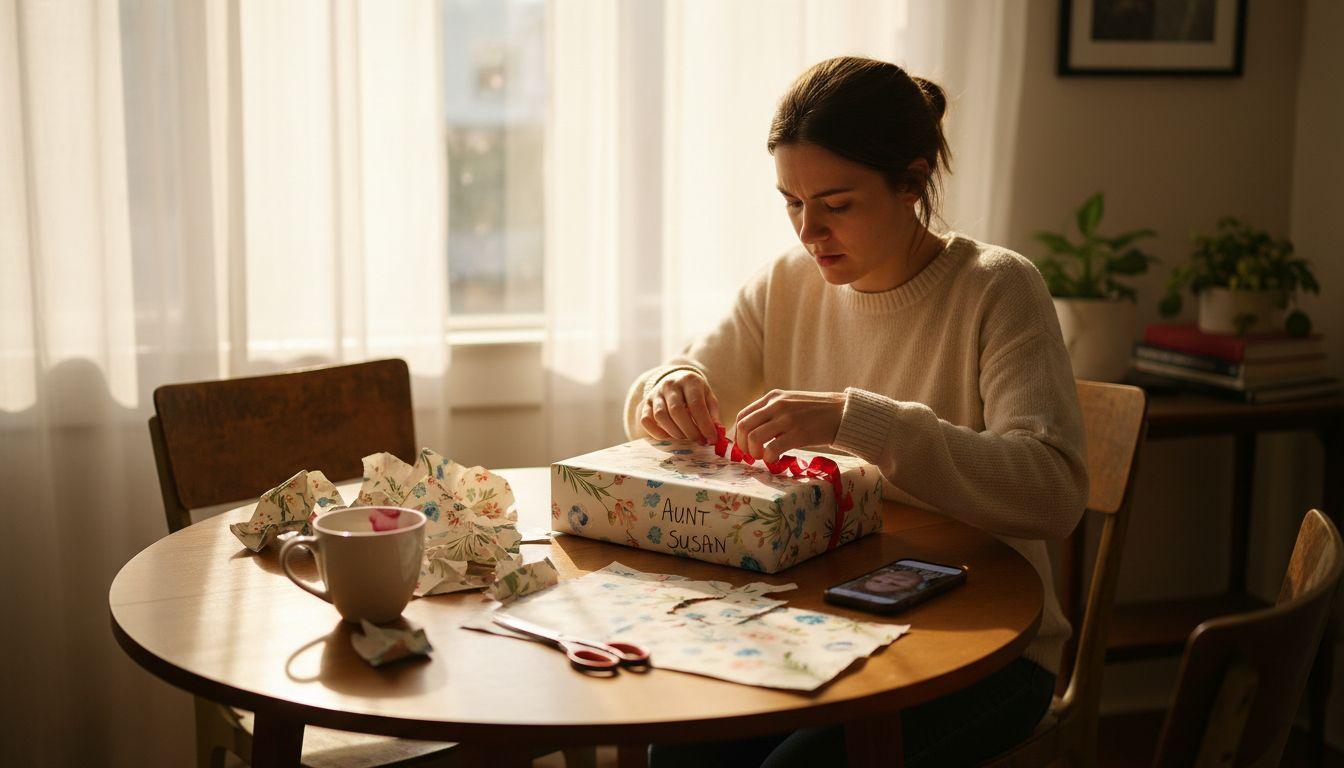
Gift presentation is a delicate art fraught with potential missteps that can undermine the emotional intent behind the gift. Research on gift design reveals that many individuals inadvertently sabotage their gifting efforts by focusing exclusively on their own perspectives, neglecting the recipient’s unique preferences and emotional landscape.
Three primary categories of gift presentation pitfalls consistently emerge. Perspective Misalignment occurs when givers select gifts based solely on personal taste, disregarding the recipient’s individual desires and cultural context. Over-Commercialization represents another significant challenge, where gifts become transactional objects stripped of genuine emotional meaning, prioritizing monetary value over genuine connection. Cultural Insensitivity manifests through gifts that fail to acknowledge the recipient’s background, potentially causing unintended discomfort or misunderstanding. These pitfalls transform potentially meaningful gestures into awkward, disconnected exchanges that can damage relationships rather than strengthen them.
Successful gift presentation requires a nuanced, empathetic approach that transcends surface-level considerations. Professional gift designers understand that truly memorable gifts are crafted through deep understanding of the recipient’s emotional world. This means moving beyond generic selections and mass-produced items, instead creating experiences that demonstrate genuine thoughtfulness. The most powerful gifts communicate understanding, respect, and emotional intelligence, carefully balancing aesthetic appeal with profound personal significance. Avoiding common presentation pitfalls demands a shift from transactional thinking to a more relational, emotionally intelligent gifting strategy.
Below is a summary of common gift presentation pitfalls and recommended strategies to avoid them:
| Pitfall | Description | Solution |
|---|---|---|
| Perspective Misalignment | Giver-focused choices | Prioritize recipient’s preferences |
| Over-Commercialization | Prioritizing monetary value | Emphasize emotional meaning |
| Cultural Insensitivity | Disregarding recipient’s background | Research and respect cultural context |
Pro tip: Before finalizing a gift, pause and honestly evaluate whether the presentation and selection genuinely reflect the recipient’s personality and preferences, not just your own perception.
Create Lasting Emotional Connections with Thoughtfully Designed Gifts
The challenge of crafting memorable gifts lies in understanding and expressing deep emotional narratives that truly resonate with your loved ones. As the article highlights, the key pain points revolve around personalization, emotional resonance, and experiential design. You want gifts that go beyond simple objects, transforming into meaningful symbols that capture your relationship’s unique story and create lasting impressions.
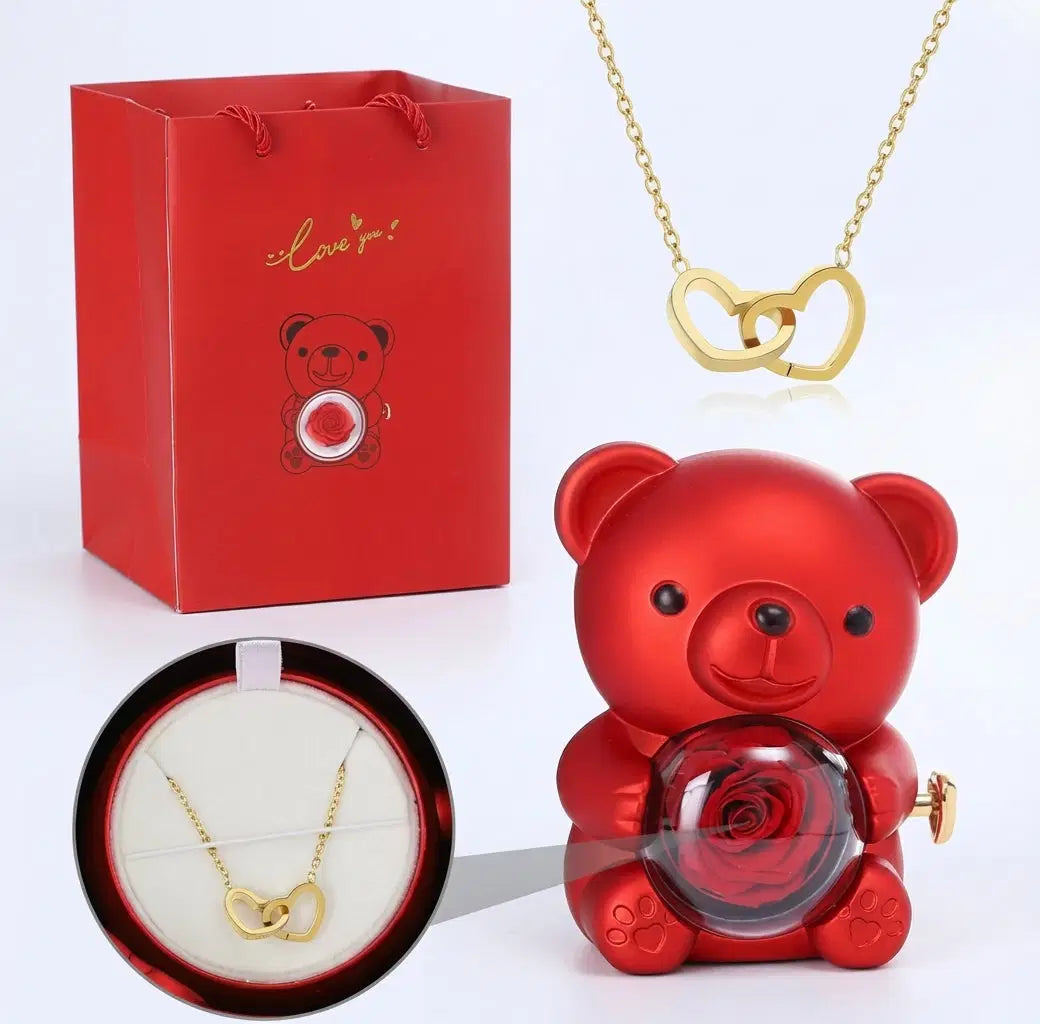
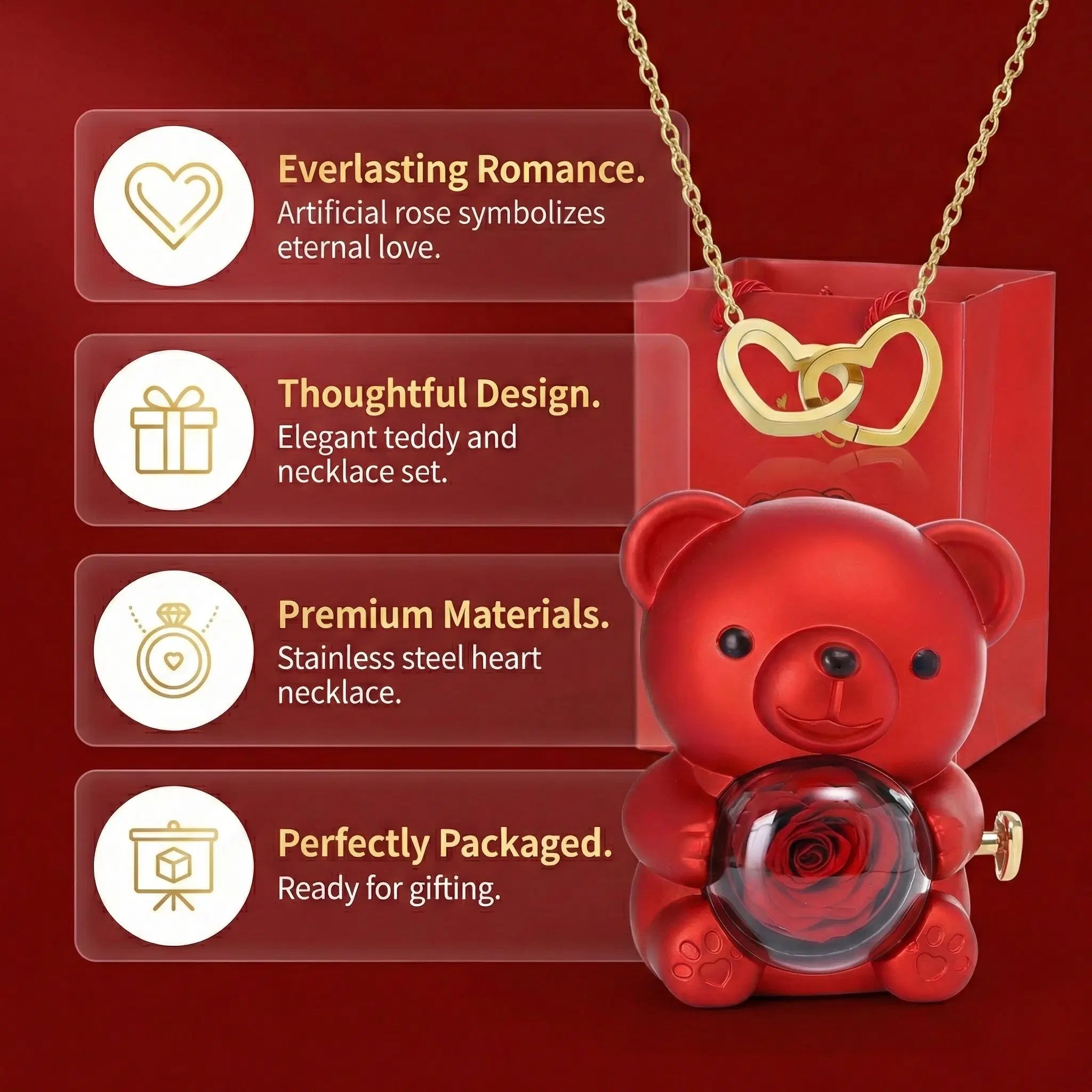
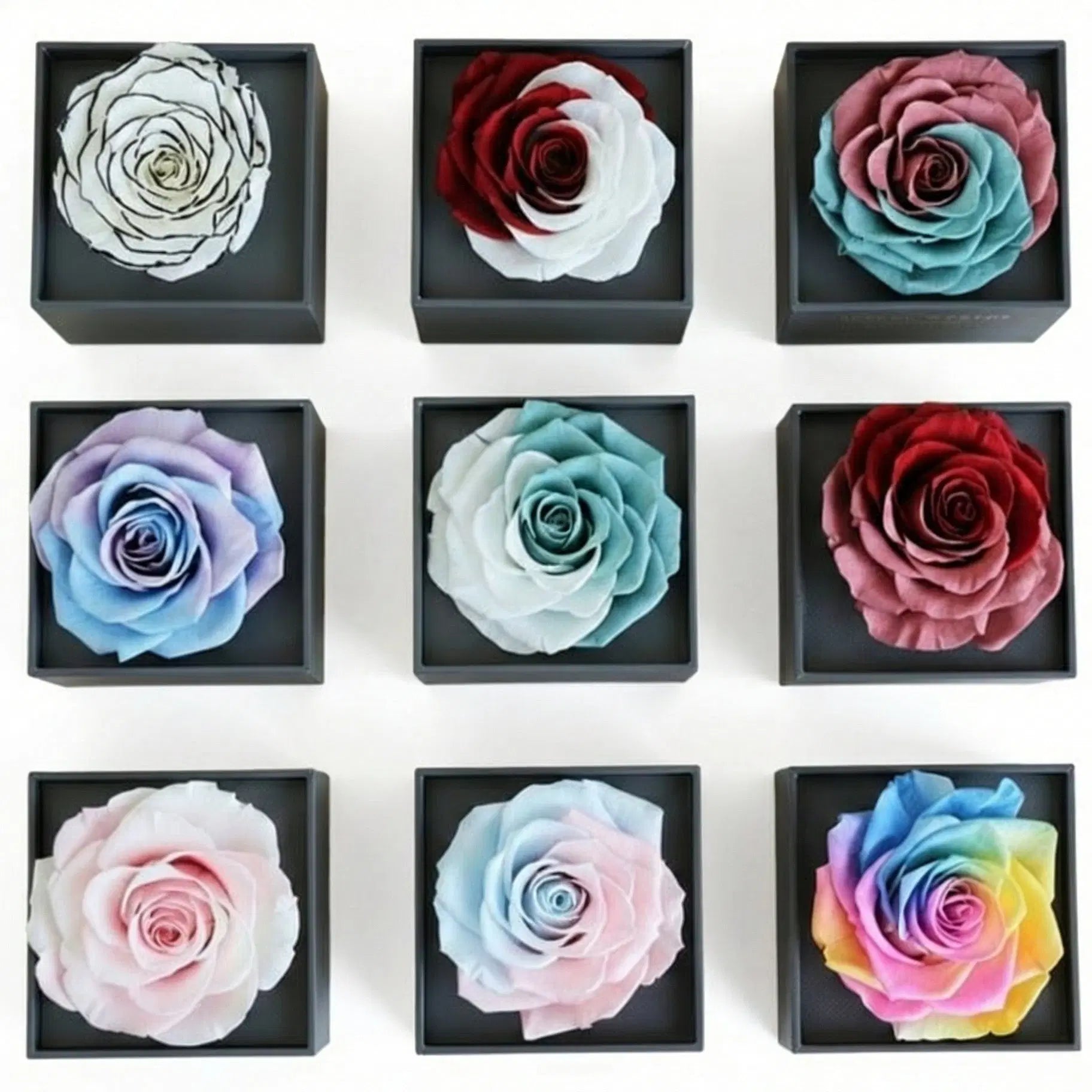
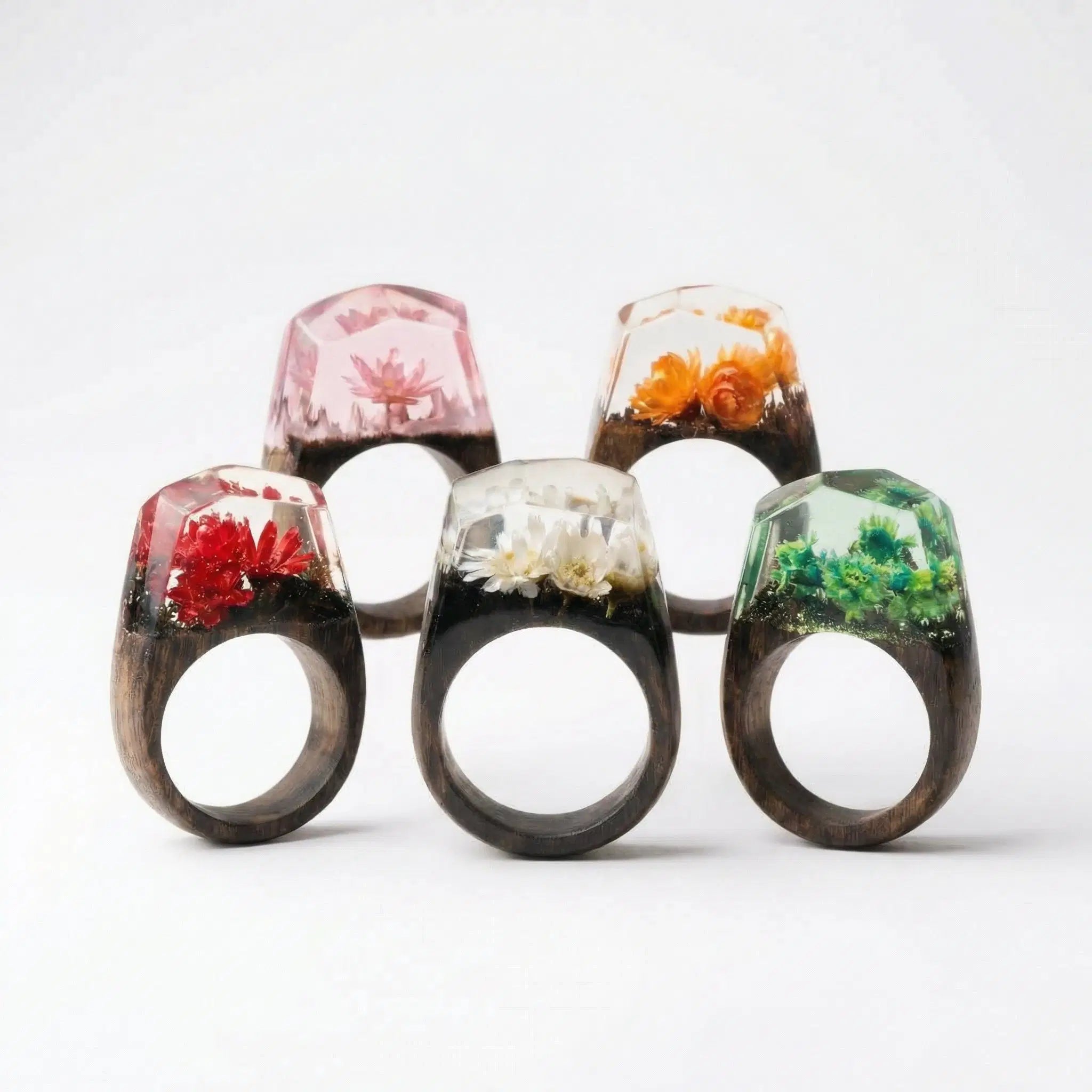
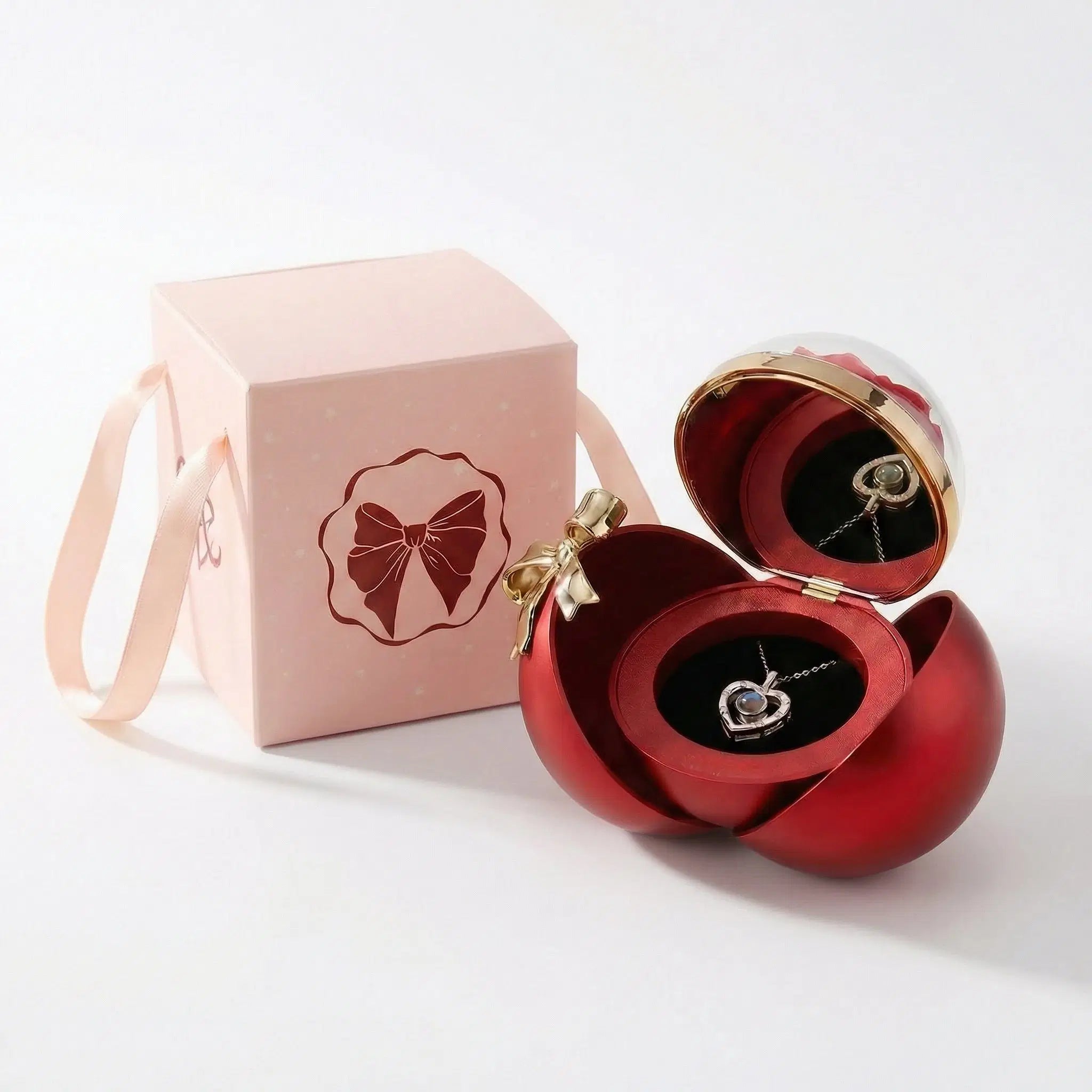
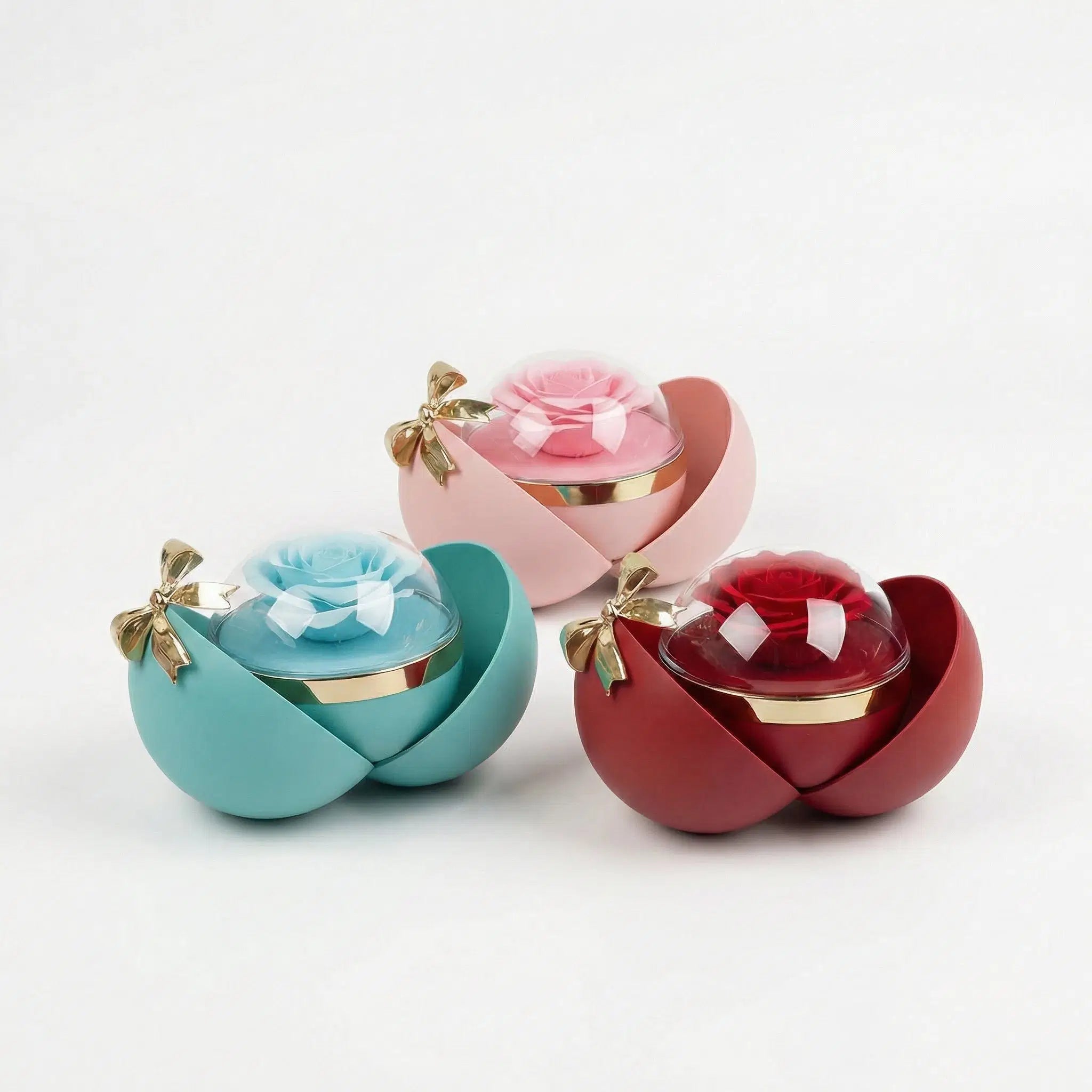
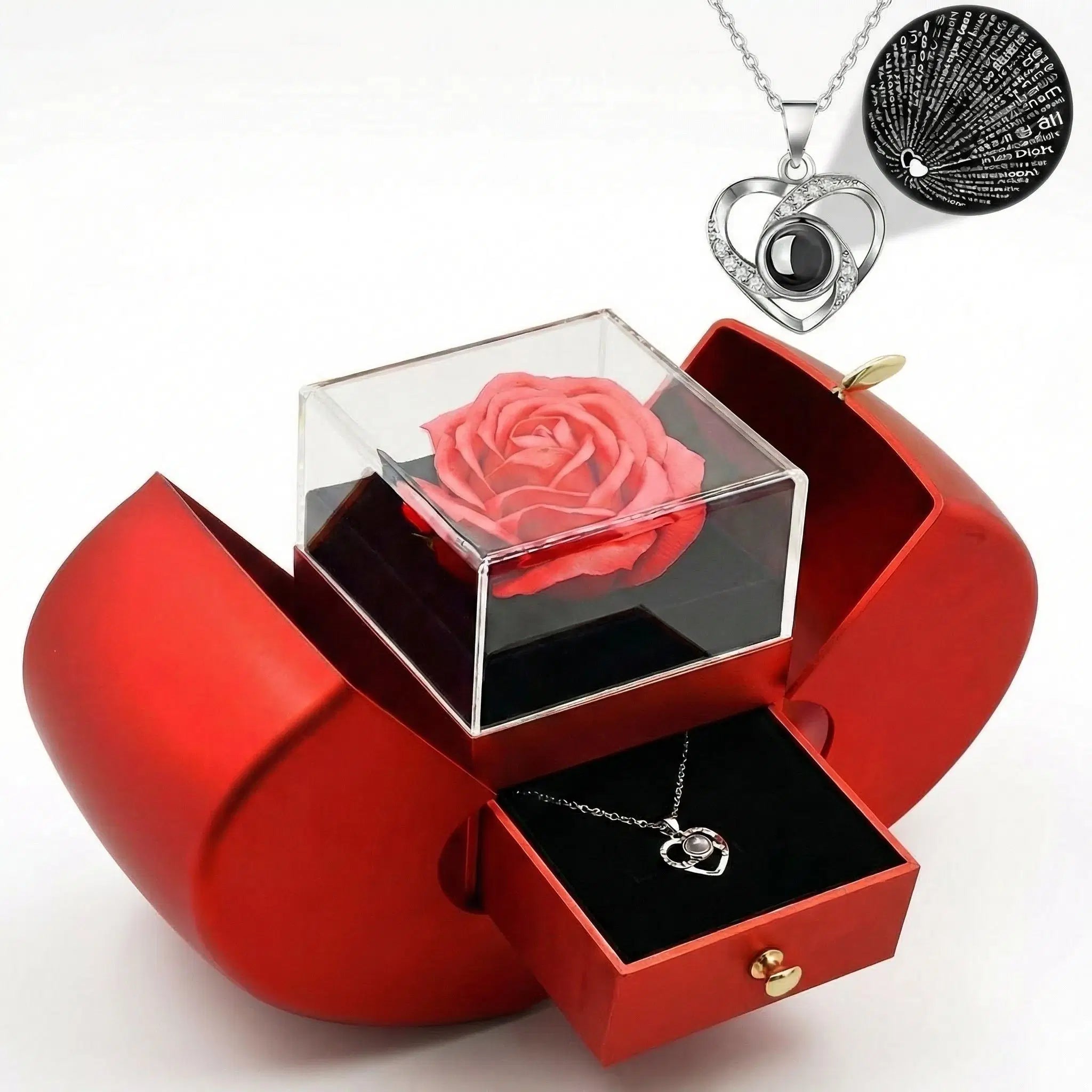
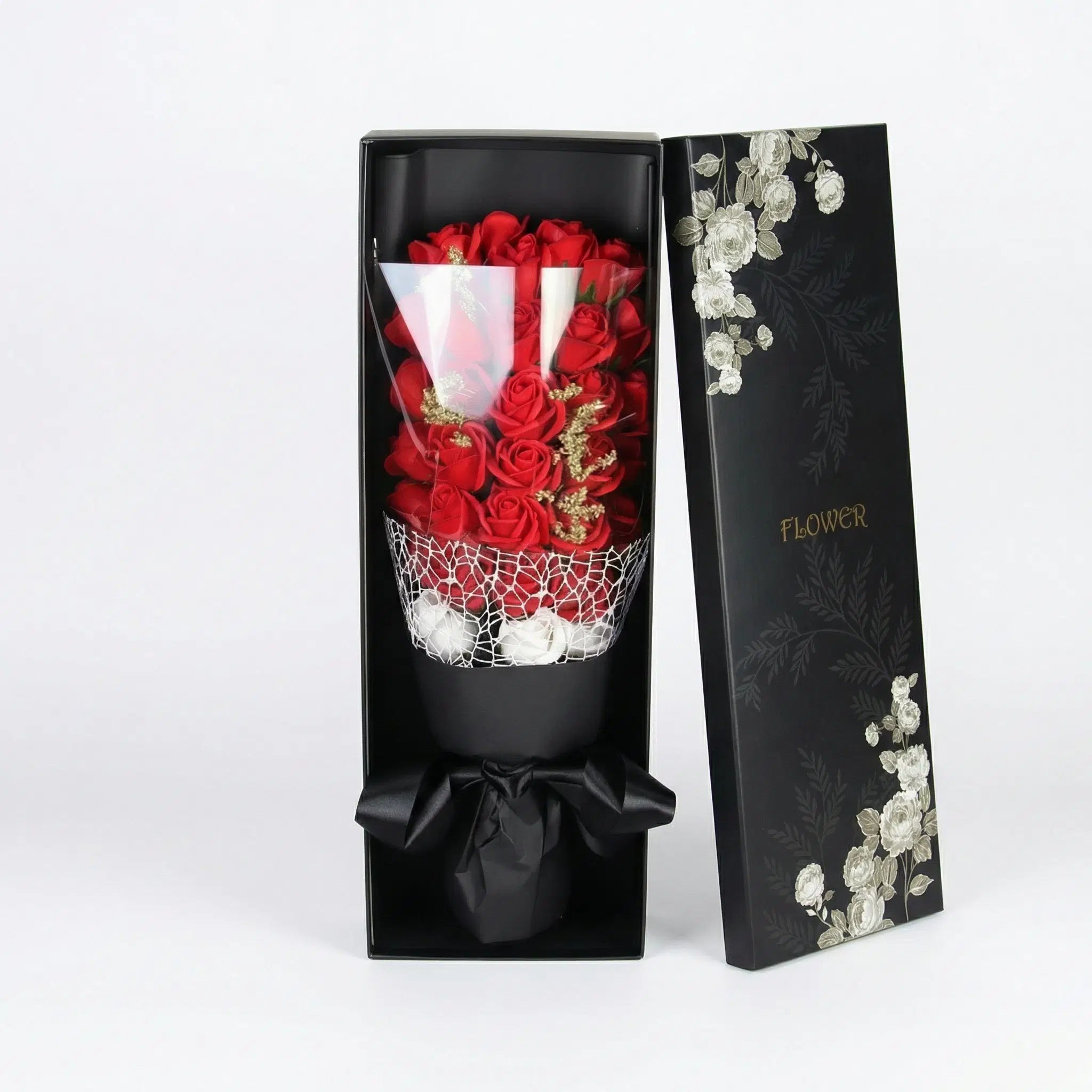
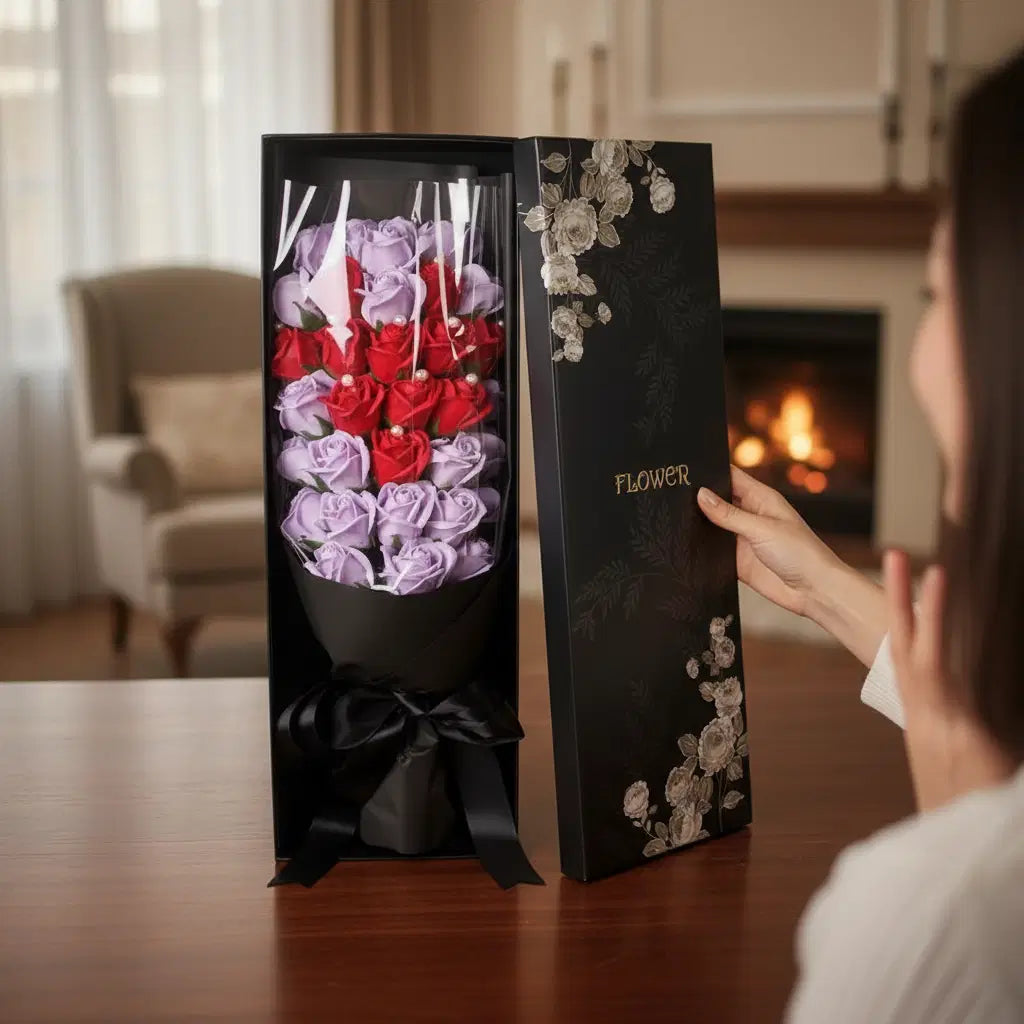
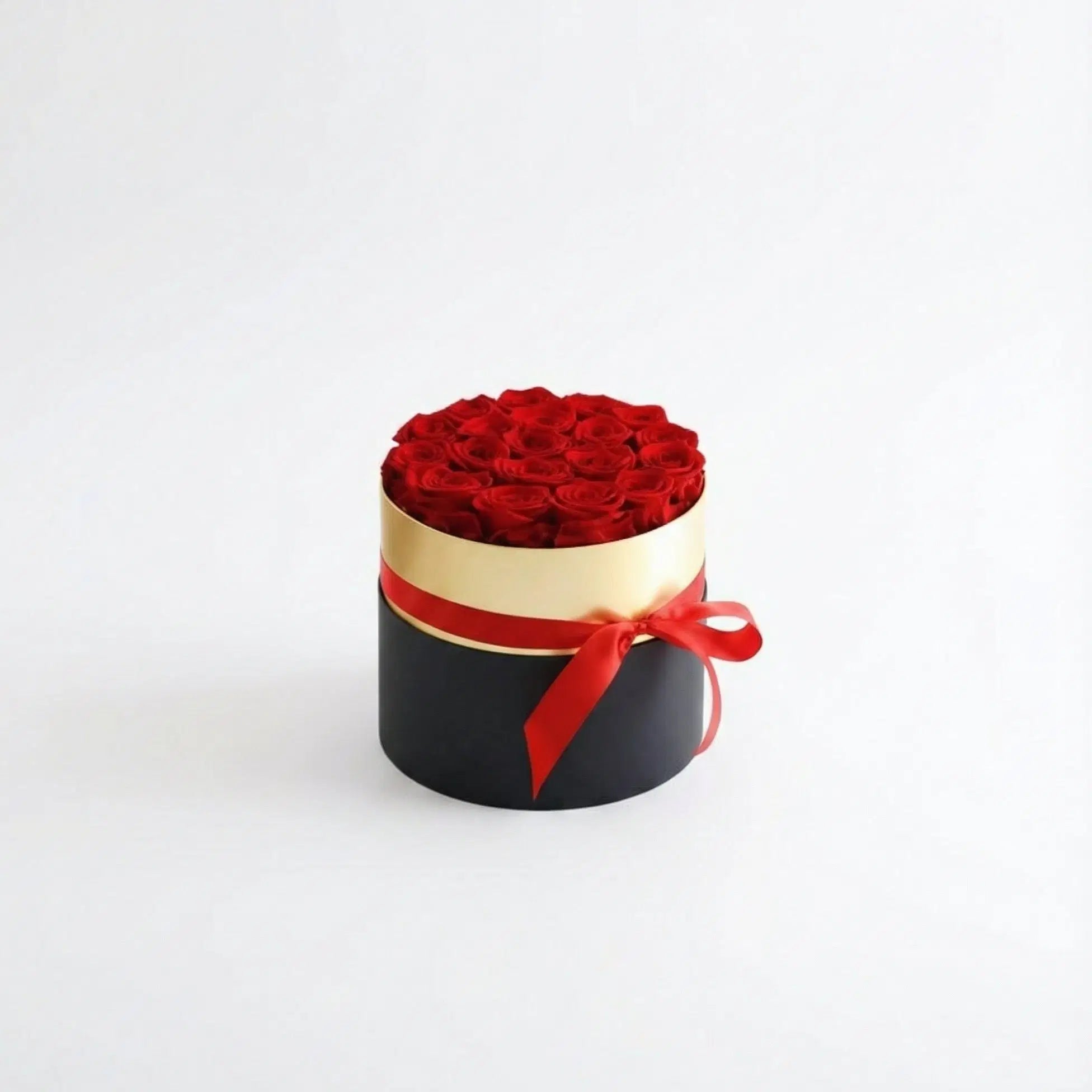
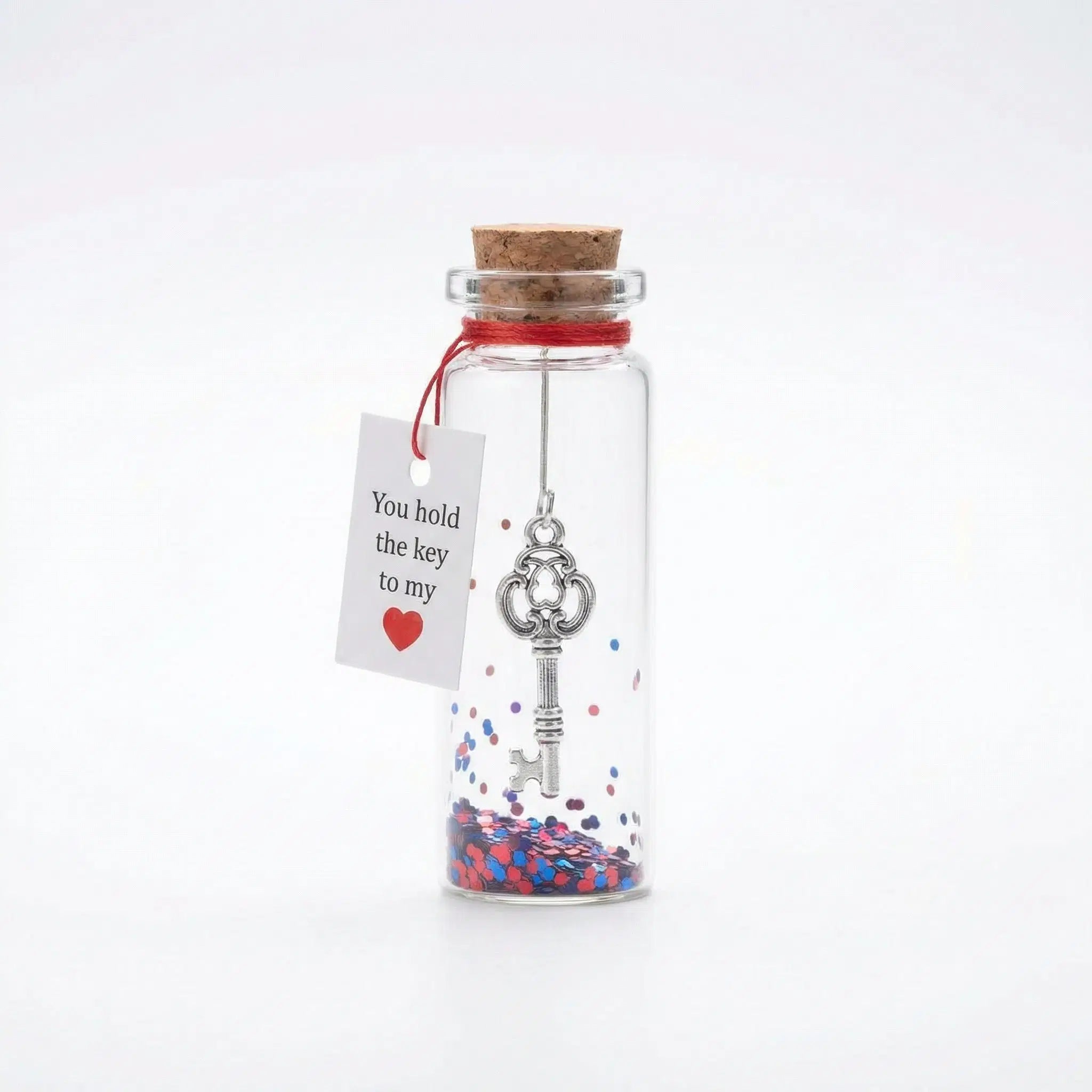
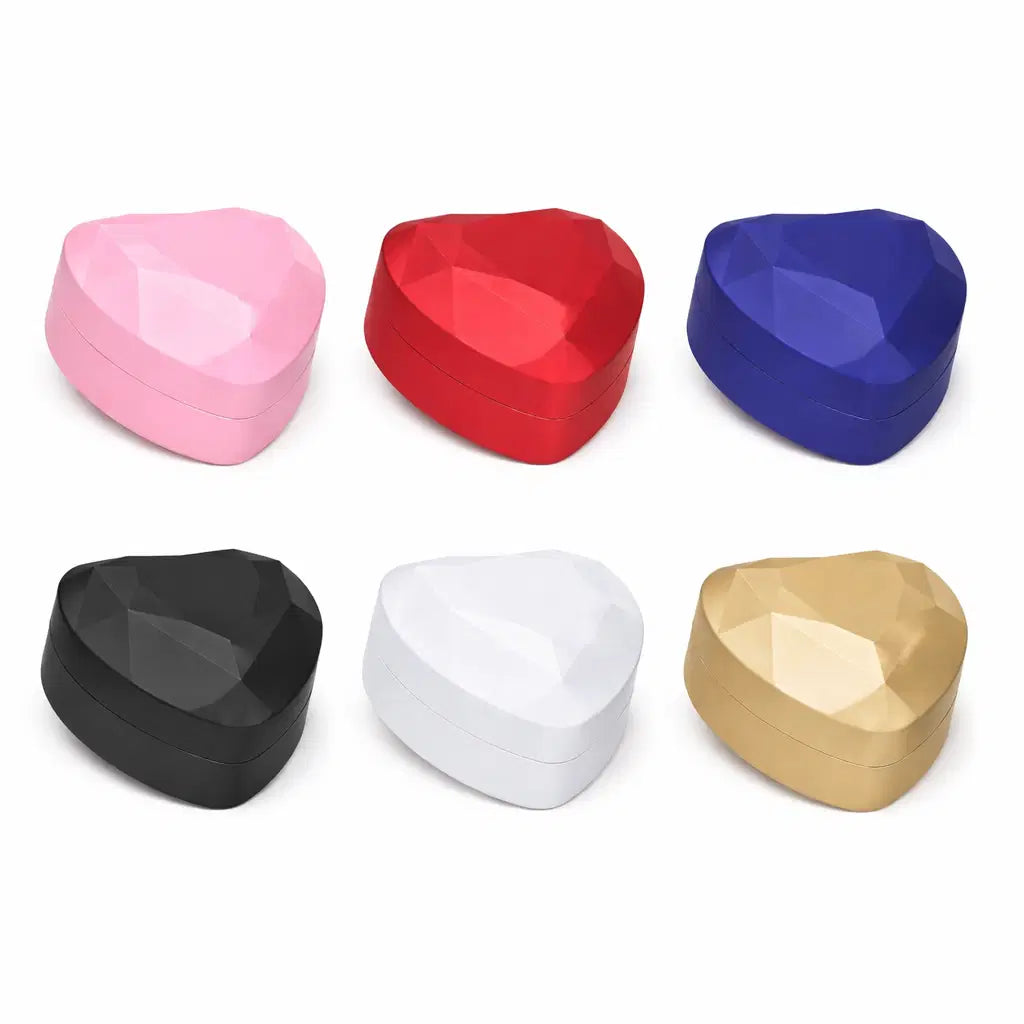
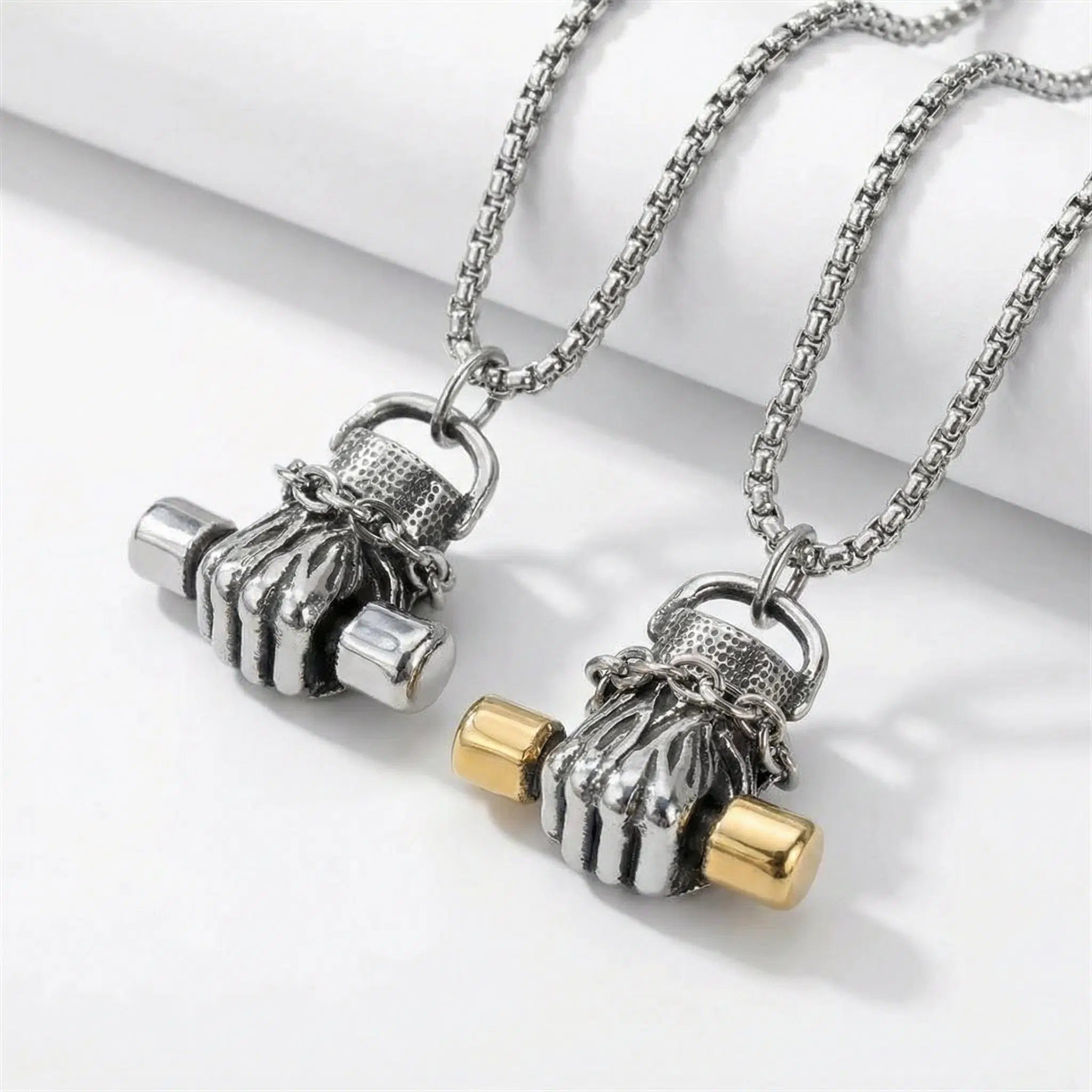
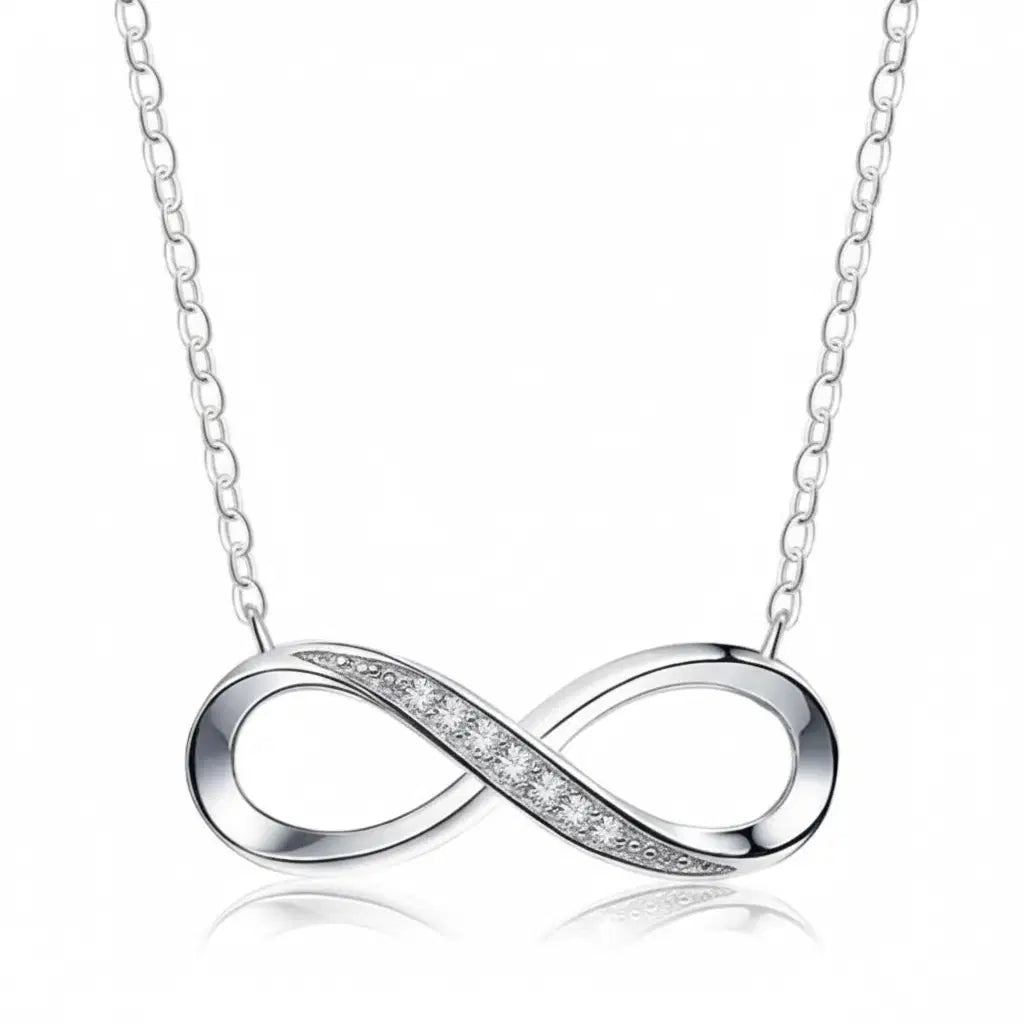
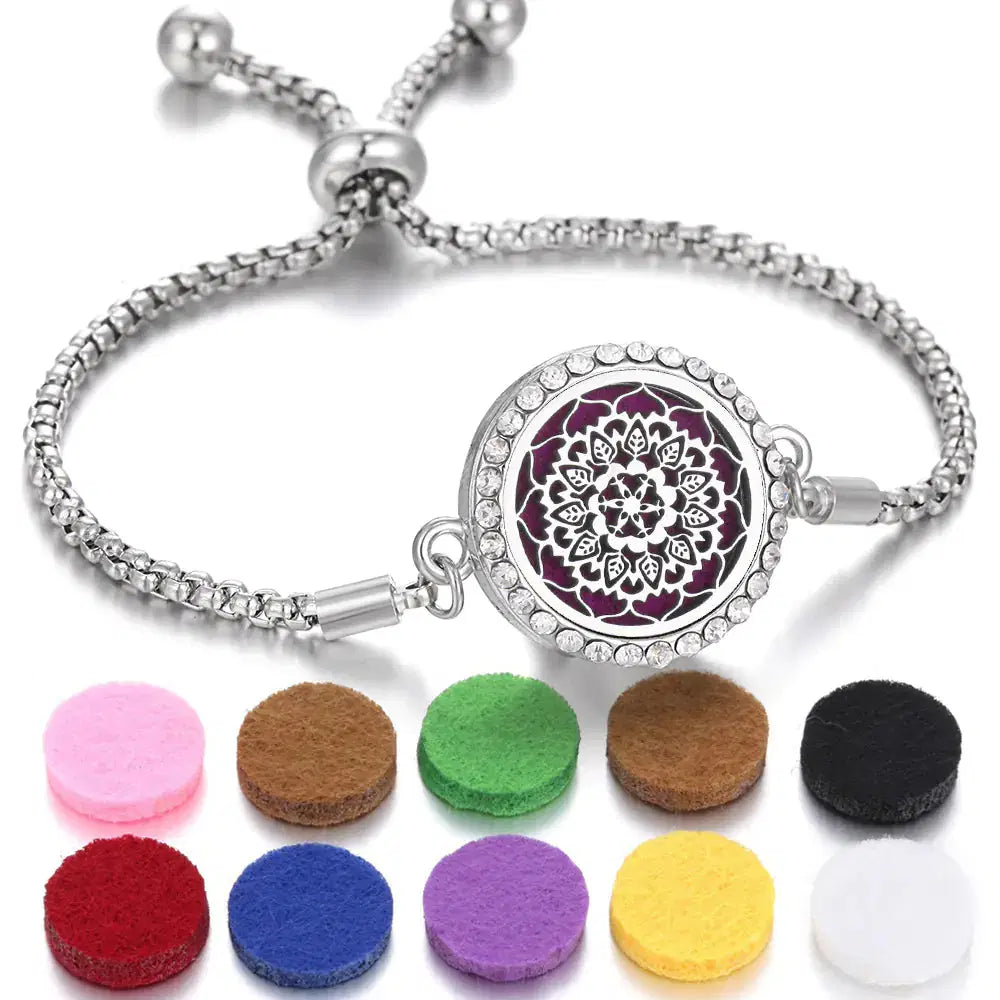
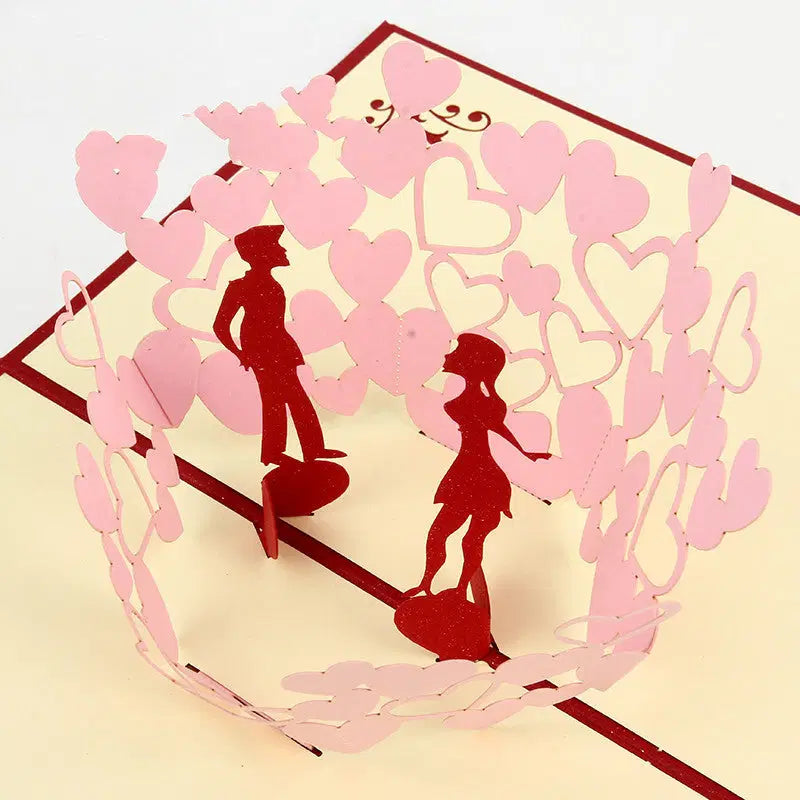
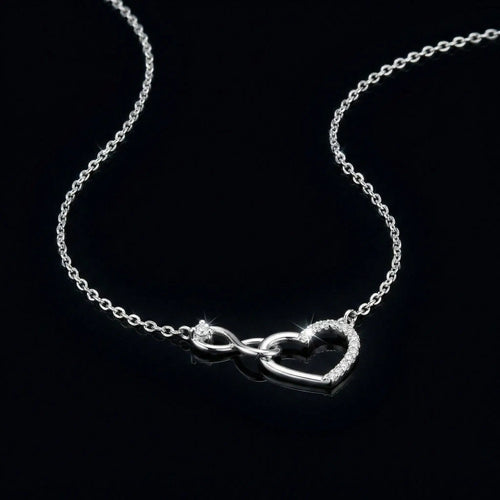
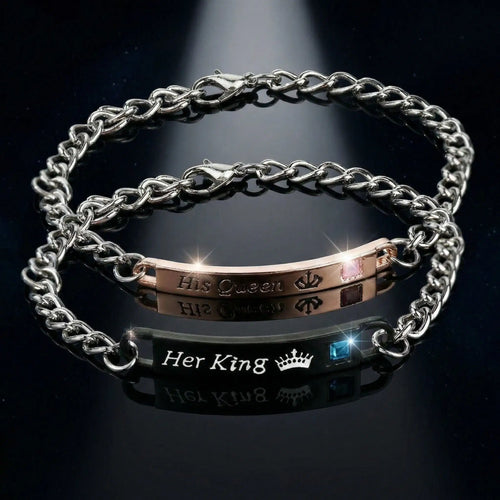
At Amorlune.com, we specialize in delivering just that. Our curated collection of high-quality artificial and preserved roses, elegant sterling silver and moissanite jewelry, and personalized love cards is designed to help you communicate pure emotion through premium craftsmanship and beautiful presentation. Each piece is carefully packaged and crafted to reflect personal stories and cultural significance, making your gift not just an object but an unforgettable experience.
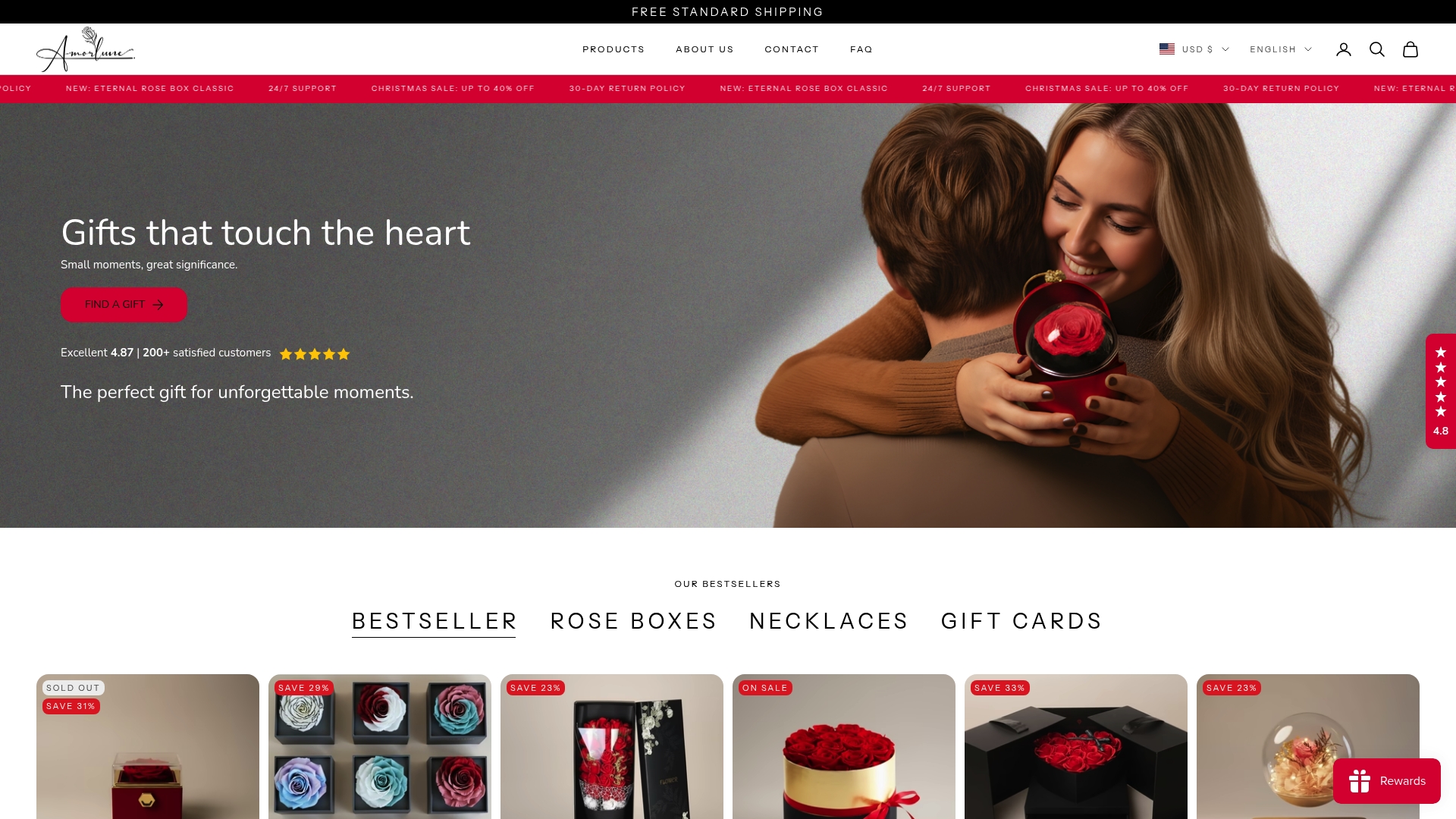
Discover how our romantic gifts can help you bridge the emotional gap and avoid common gifting pitfalls. Whether you seek minimalist elegance or deeply personalized treasures, explore our selection now and create the perfect multisensory gift experience. Visit Amorlune.com to find memorable gifts that speak your heart’s language today.
Frequently Asked Questions
What are the key design elements that make gifts memorable?
Creating memorable gifts involves three critical design dimensions: personalization, emotional resonance, and experiential quality. Personalization tailors the gift to the recipient’s unique preferences, emotional resonance triggers meaningful psychological responses, and experiential quality transforms the gift into a multisensory journey.
How does gift design impact emotional connections between the giver and receiver?
Gift design serves as a powerful conduit for emotional connection by transforming ordinary objects into significant symbols of appreciation. Elements like color, texture, and material selection can evoke specific emotions, creating a deeper interpersonal understanding.
What are common pitfalls to avoid in gift presentation?
Common pitfalls include perspective misalignment, where gifts reflect the giver’s taste instead of the recipient’s preferences; over-commercialization, which prioritizes monetary value over emotional meaning; and cultural insensitivity, which fails to acknowledge the recipient’s background. Avoiding these requires a thoughtful, empathetic approach to gift selection and presentation.
How can I choose a gift design that reflects the relationship with the recipient?
Choosing a suitable gift design involves understanding the emotional depth and unique dynamics of your relationship with the recipient. Select a design that resonates authentically with both their personality and your connection, rather than conforming to generic gifting expectations.
Recommended

Von Dennis Schröder