



















Customer Satisfaction in Gifting: Emotional Impact
Finding the right romantic gift for your anniversary can feel deeply personal and sometimes a little nerve-wracking. Every couple wants that perfect moment when a present says more than words, capturing shared history and heartfelt intention. Emotional satisfaction in gifting relies on the entire journey—a blend of thoughtful selection, quality, and how the experience makes your partner feel truly seen. This guide helps you understand the power behind meaningful gifts, ensuring every choice brings joy and lasting memories for both of you.
Table of Contents
- Defining Customer Satisfaction In Gifting
- Emotional Drivers And Expectations In Gift-Giving
- How Quality And Presentation Influence Satisfaction
- Measuring Customer Satisfaction In Gift Retail
- Mistakes To Avoid For Memorable Experiences
Key Takeaways
| Point | Details |
|---|---|
| Emotional Connection is Key | Gifting satisfaction is about the emotional experience tied to the selection and presentation rather than the item itself. |
| Understand Your Partner | Genuine satisfaction stems from knowing your partner’s preferences and creating a meaningful experience around the gift. |
| Quality and Presentation Matter | Both the quality of the gift and how it is presented significantly impact emotional fulfillment and satisfaction. |
| Avoid Common Mistakes | Take time to select gifts that reflect your partner’s true preferences to enhance emotional resonance and connection. |
Defining Customer Satisfaction in Gifting
Customer satisfaction in gifting isn’t simply about whether someone likes what you gave them. It’s about the emotional experience surrounding the entire exchange, from selection through the moment they open your present.
When you give a romantic gift—especially for an anniversary—you’re communicating care, commitment, and thoughtfulness. The satisfaction your partner experiences depends on how well that gift aligns with their expectations, desires, and your relationship’s unique story.
What Makes Gifting Satisfaction Different
Gifting satisfaction operates differently than satisfaction with typical purchases. You’re not buying a product; you’re investing in a moment of emotional connection. Research shows that relational gifting functions as relationship work, deepening bonds through carefully chosen items that reflect understanding and care.
For couples, this means satisfaction extends beyond the object itself:
- Personal recognition: Does the gift show you truly know your partner’s tastes and values?
- Emotional resonance: Does it evoke memories, inside jokes, or shared dreams?
- Presentation experience: How does the unboxing moment feel?
- Lasting meaning: Will this gift remind them of your love months or years from now?
The Role of Relationship Context
Your relationship stage dramatically influences what creates satisfaction. A gift that delights a long-term spouse may miss the mark for a newer partnership. Customizing gifts and transparent communication are key to moving beyond generic satisfaction toward genuine emotional impact.
For anniversary gifts specifically, satisfaction depends on:
- Understanding your partner’s preferences over time
- Selecting something that acknowledges your relationship journey
- Presenting it thoughtfully with personal touches
- Creating a memorable moment around the exchange
Genuine satisfaction happens when your partner feels truly seen and valued, not just gifted an expensive item.
Satisfaction Versus Obligation
There’s a critical difference between satisfying someone and satisfying an obligation. Many gift-givers focus on checking boxes: expensive enough, impressive enough, appropriate for the occasion.
But real satisfaction emerges when the gift feels personal and intentional. When you select something that demonstrates deep knowledge of your partner—their dreams, their style, what makes them feel loved—that’s when satisfaction transforms into lasting emotional impact.
Satisfaction in romantic gifting isn’t about the price tag; it’s about the thought behind the selection and the care in the presentation.
The most satisfied recipients are those who feel their partner truly understands them and made an effort to find something meaningful specifically for them, not just any gift that fits the occasion.
Pro tip: Before selecting an anniversary gift, reflect on moments throughout your relationship when your partner felt most loved or appreciated—use those insights to guide your choice toward genuine satisfaction.
Emotional Drivers and Expectations in Gift-Giving
When you choose an anniversary gift, you’re driven by emotions you might not even recognize. Love, gratitude, desire to impress, or fear of disappointing your partner—these feelings shape every decision you make about what to select and how to present it.
Your partner enters the exchange with their own emotional expectations. They anticipate understanding, thoughtfulness, and genuine effort. Emotional understanding between giver and recipient impacts ongoing relationship well-being, making your emotional clarity essential to their satisfaction.
What Drives Your Gift Choices
As a gift-giver, your emotions fuel your decisions in ways you may not realize. Fear of judgment, desire to show love, or even anxiety about finances influence what you ultimately choose.
Common emotional drivers include:
- Love and affection: Wanting to express how much your partner means to you
- Pride in the relationship: Showing others (and yourself) how strong your bond is
- Gratitude: Honoring years of partnership and shared experiences
- Vulnerability: Taking an emotional risk by choosing something deeply personal
- Relief or pressure: Managing anxiety about whether your choice will land perfectly
Recognizing these emotions helps you move beyond surface-level selections toward gifts that genuinely reflect your feelings.
What Your Partner Expects Emotionally
Your partner isn’t just expecting a physical object. They’re expecting to feel seen, valued, and understood. Emotional satisfaction in gifting is influenced by perceived emotions of both giver and recipient, along with how the gift reflects social approval and relationship status.
Their emotional expectations typically include:
- Proof that you know them deeply beyond surface preferences
- Evidence of genuine effort rather than last-minute shopping
- A moment of emotional connection when they open your gift
- Validation that your relationship is worth celebrating at this particular milestone
The Gap Between Expectation and Reality
Misalignment happens when your emotional intentions don’t match what your partner receives. You might feel proud of a luxury gift while they wanted something with sentimental meaning. You might stress over finding the perfect item while they simply wanted to feel your thoughtfulness.
The gift itself matters far less than the emotional narrative you create around it. The role of presentation in gift-giving demonstrates how packaging, timing, and personal touches transform any gift into an emotionally resonant experience.
The most powerful gifts satisfy emotional expectations, not just material desires—they prove your partner truly matters to you.
When expectations and reality align, satisfaction becomes genuine emotional fulfillment that strengthens your relationship long after the anniversary passes.
Pro tip: Write down three specific moments when your partner felt most loved by you, then use those emotional insights to guide your gift selection—this bridges the gap between what you think they want and what will truly move them.
How Quality and Presentation Influence Satisfaction
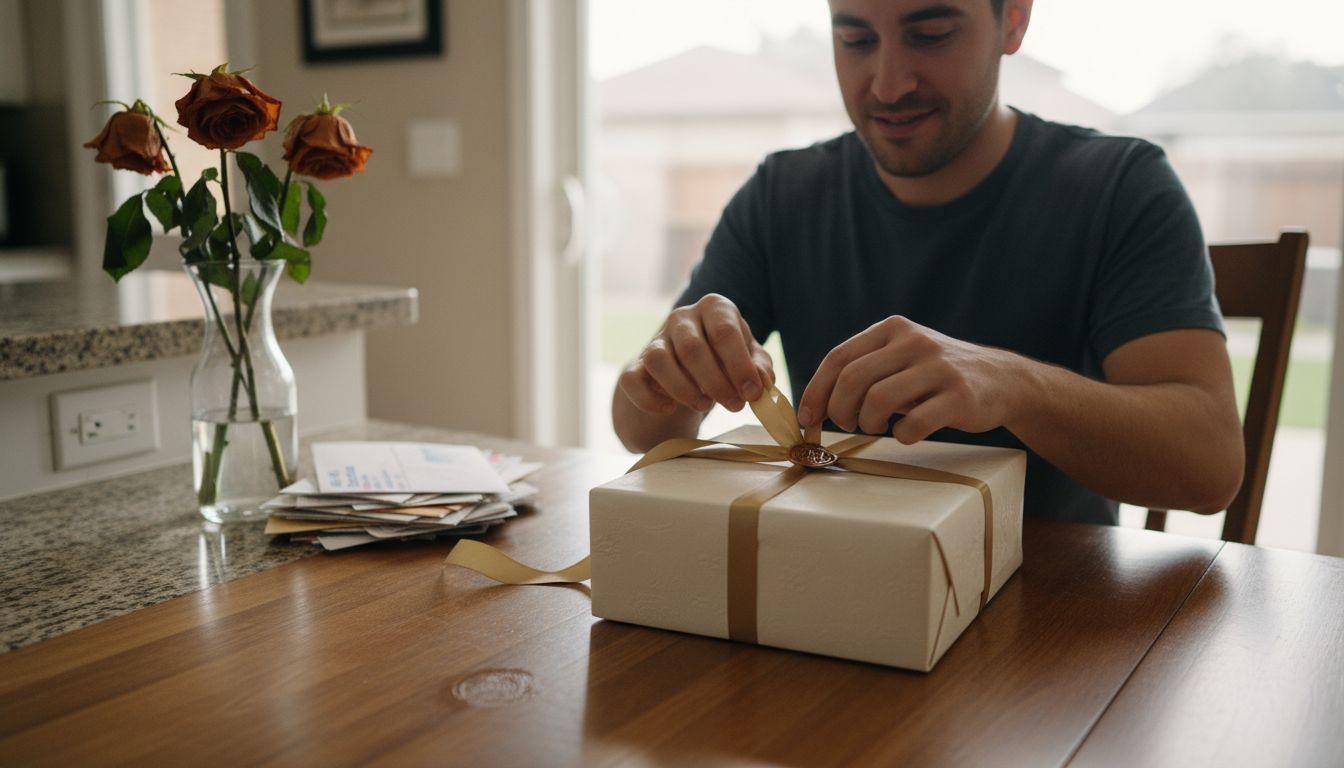
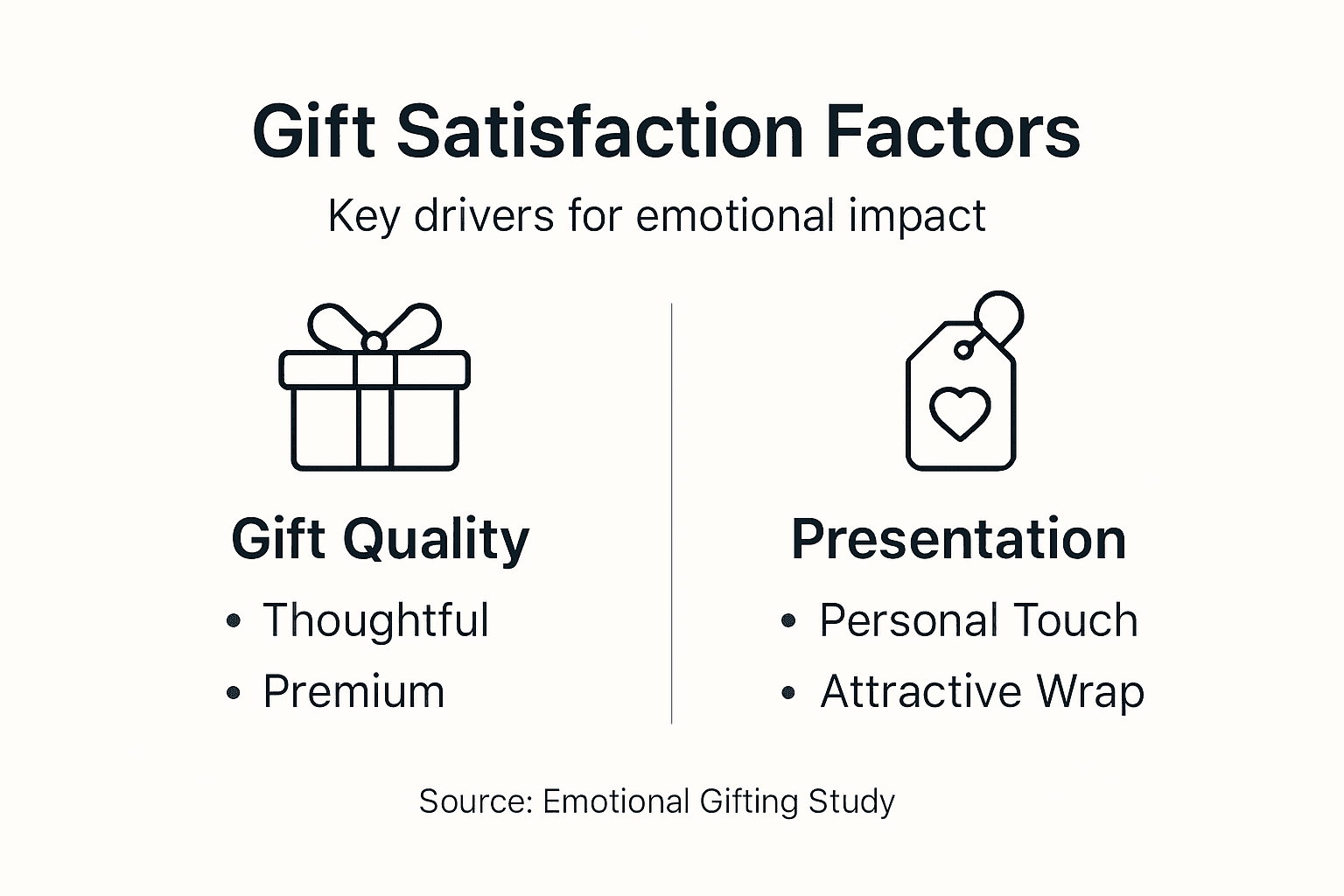
Quality and presentation aren’t two separate elements—they work together to create the entire gift experience. A beautiful gift wrapped poorly loses impact. A meaningful gift in plain packaging feels overlooked. Both matter equally.
When your partner opens an anniversary gift, their satisfaction depends on what they see, how it feels, and what the overall presentation communicates about your care and thoughtfulness.
The Role of Material Quality
Material quality directly influences emotional satisfaction. High-quality items signal that you valued the occasion enough to invest in something lasting, not temporary.
Quality factors that drive satisfaction include:
- Durability: Items that last years, not weeks, become keepsakes
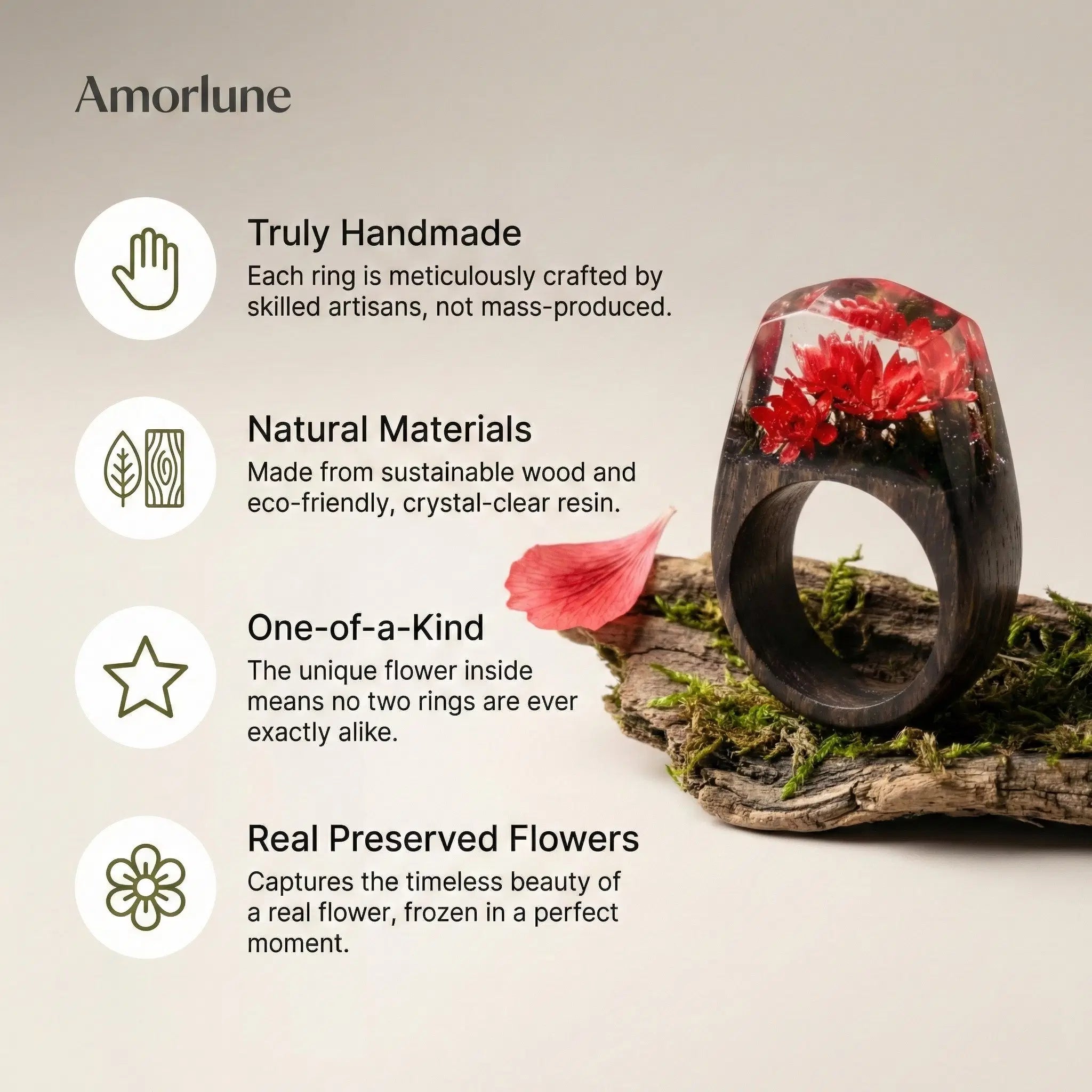
- Craftsmanship: Handmade or artisanal touches show deliberate effort
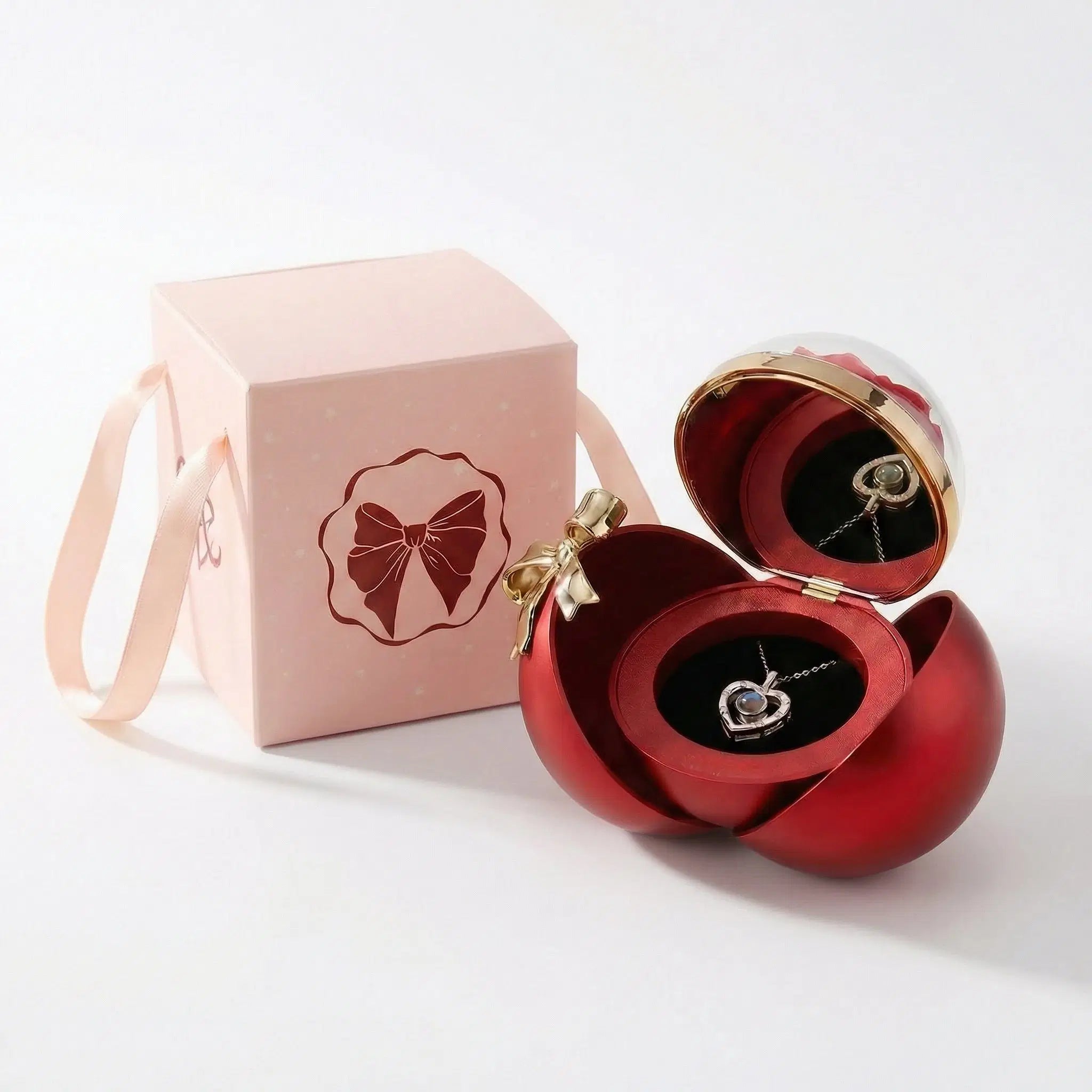
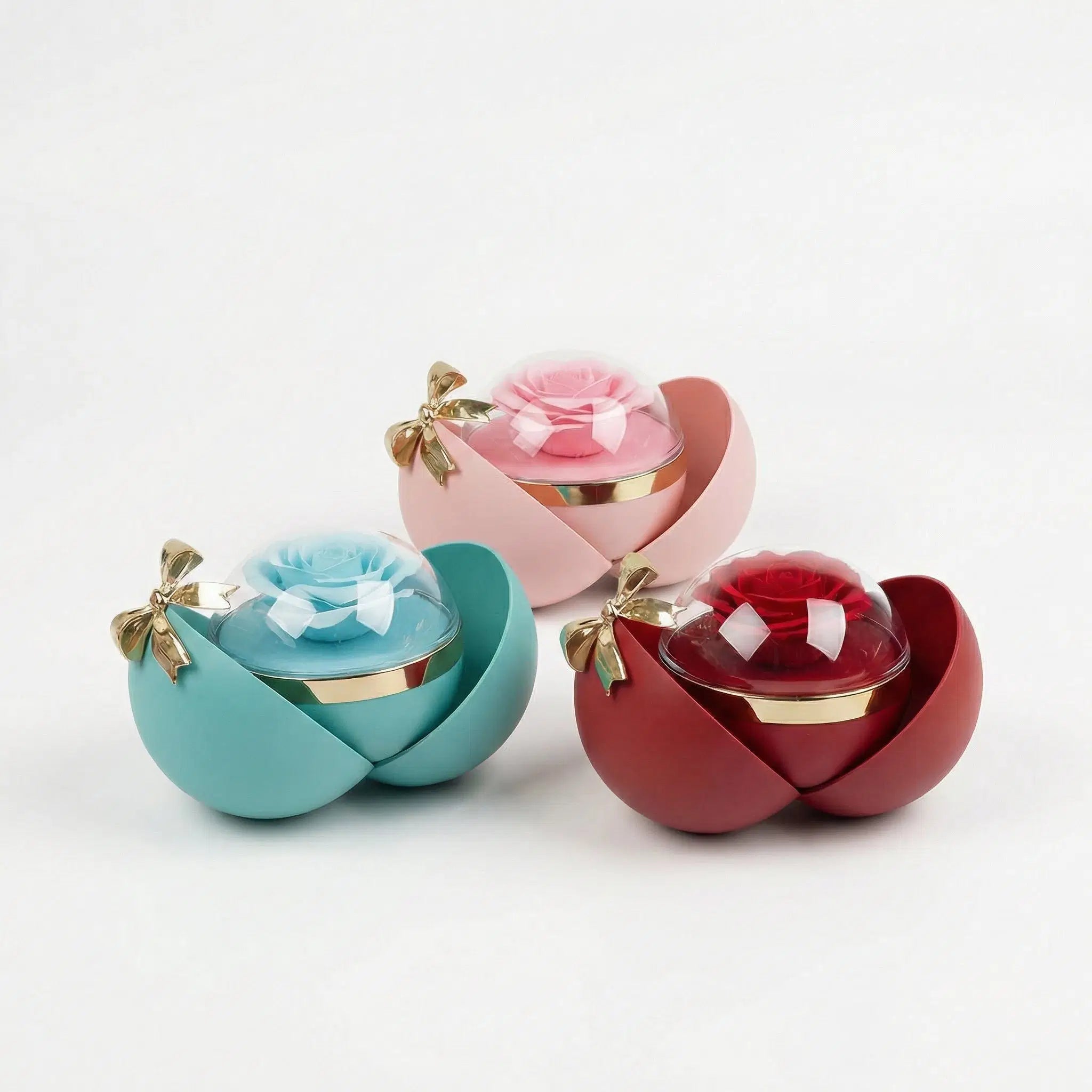
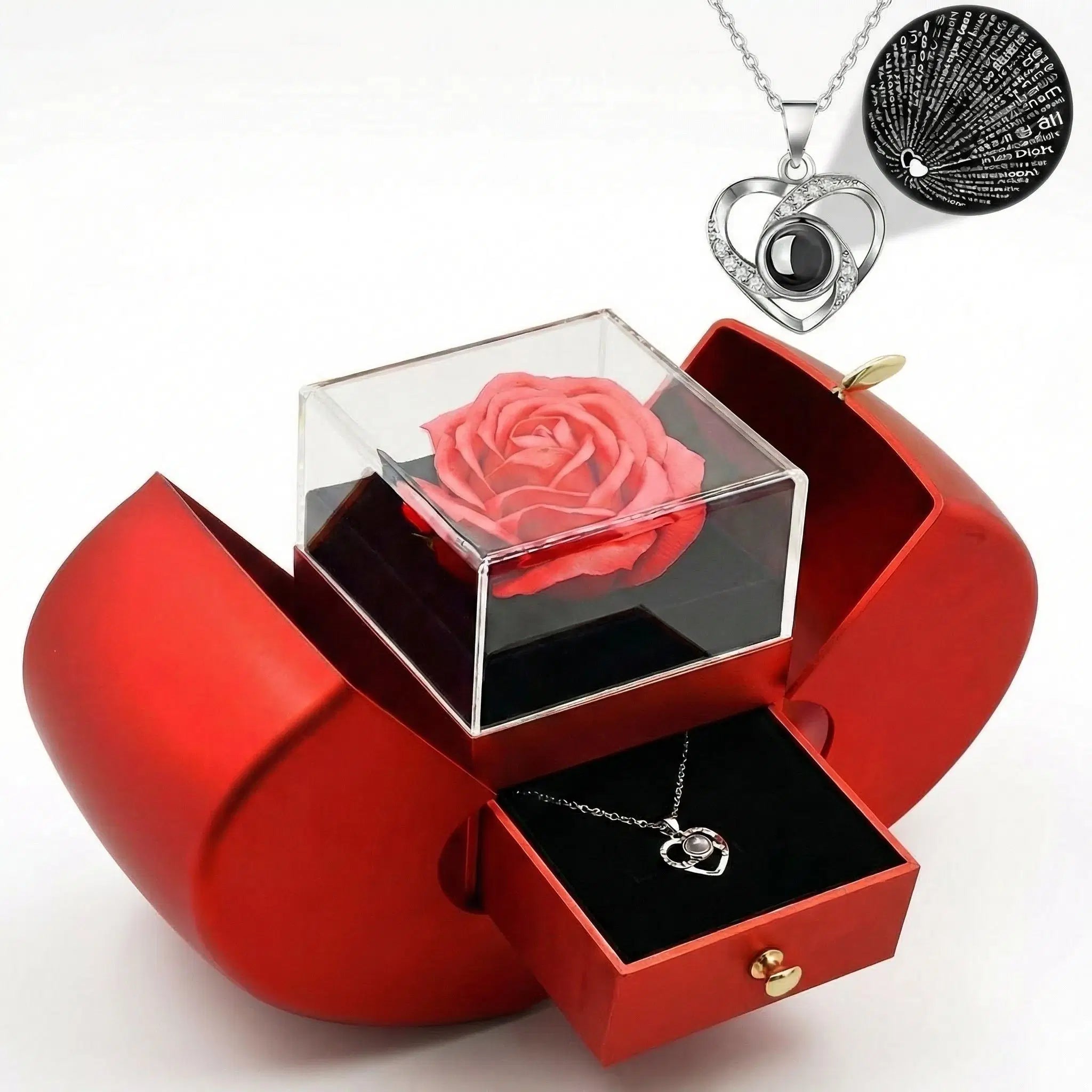
- Premium materials: Sterling silver, preserved flowers, or fine packaging elevate the perception
- Attention to detail: Flawless execution proves you care about perfection
- Authenticity: Genuine items feel more meaningful than mass-produced alternatives
Research shows that gift quality and suitability significantly affect emotional satisfaction, with recipients perceiving quality as a reflection of the giver’s regard for them.
Presentation as Emotional Communication
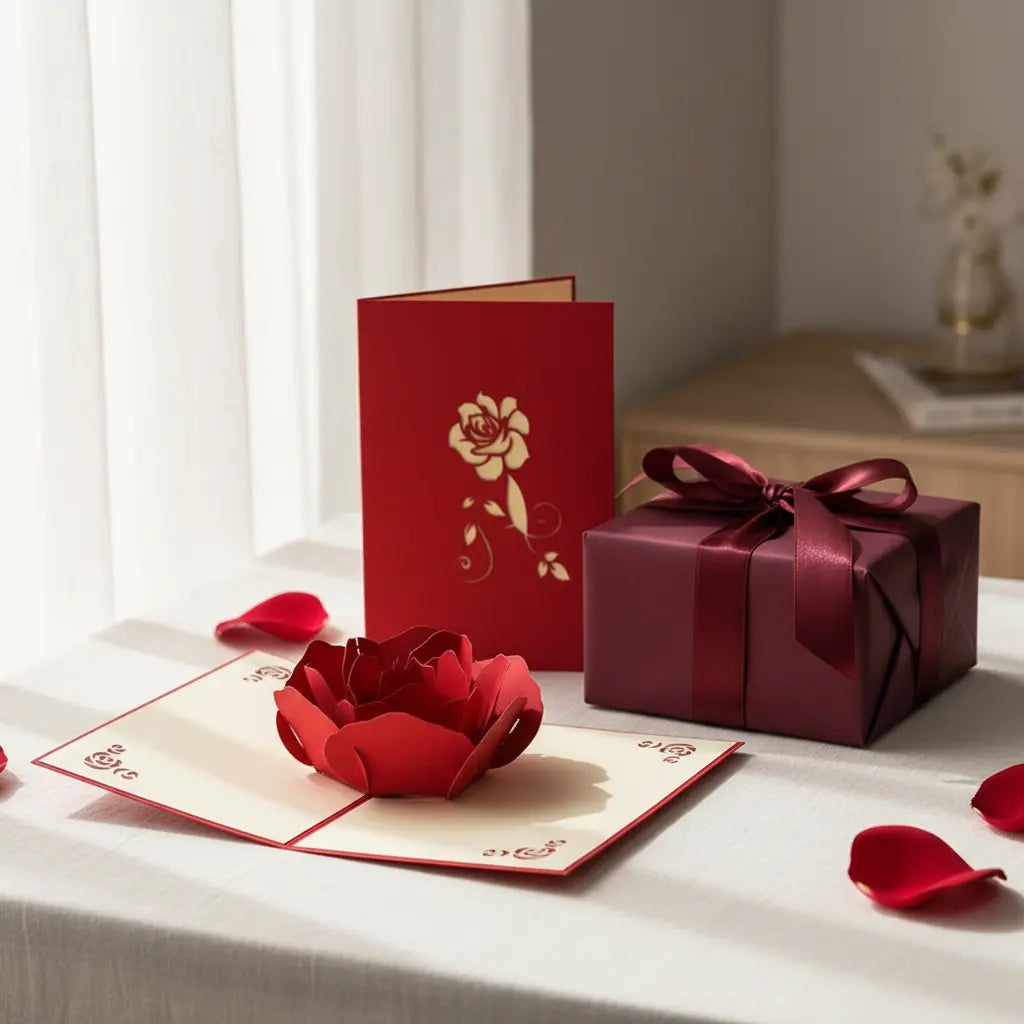
How you present a gift tells a story before they ever open it. Premium packaging, thoughtful wrapping, and personalized touches communicate sacrifice and preparation.
Presentation elements that matter:
- Packaging quality: Sturdy, beautiful boxes create anticipation
- Wrapping details: Careful attention to wrapping shows effort
- Personal notes: Handwritten messages add emotional depth
- Timing and setting: When and where you give matters as much as what you give
- Unboxing experience: Each layer should feel intentional
Thoughtful presentation influences recipient satisfaction by conveying empathy and care, making the moment memorable long after the physical gift fades.
Quality Meets Presentation
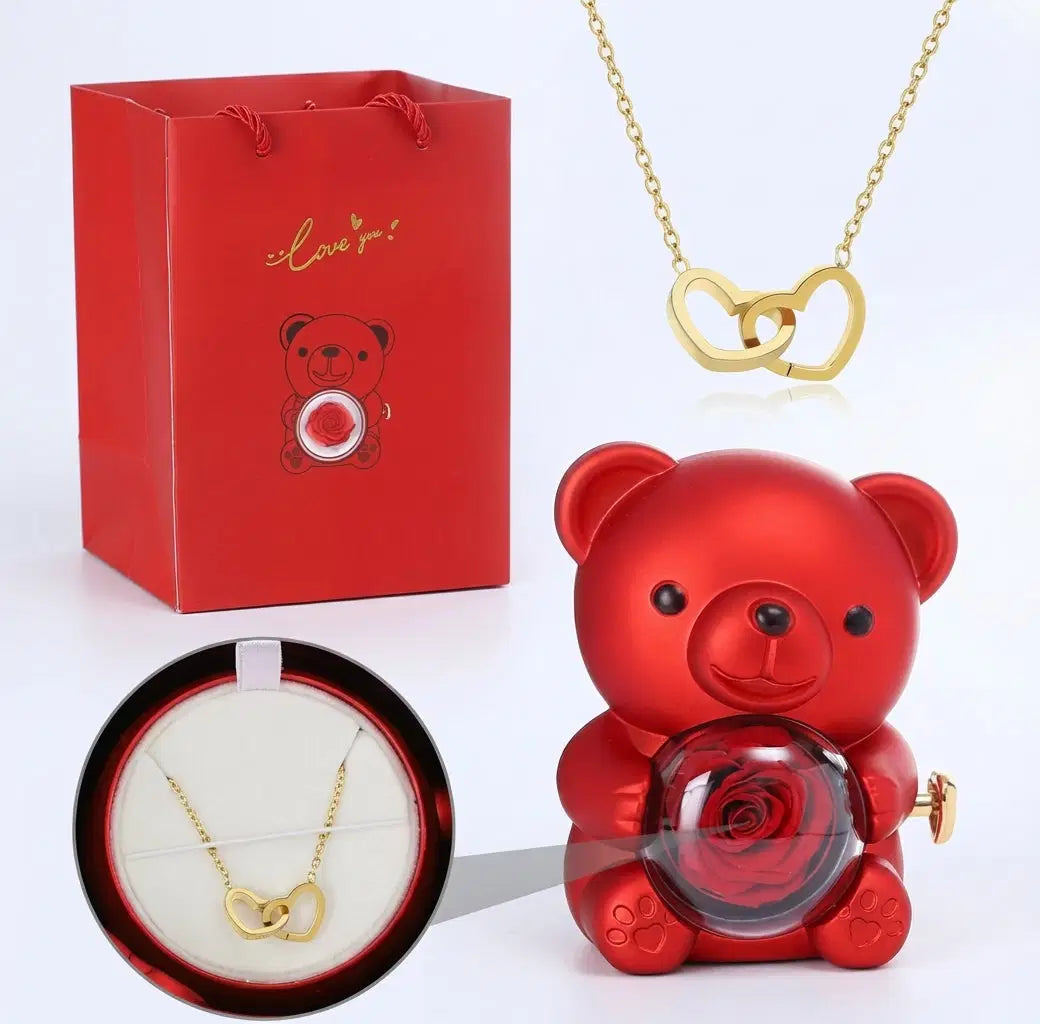
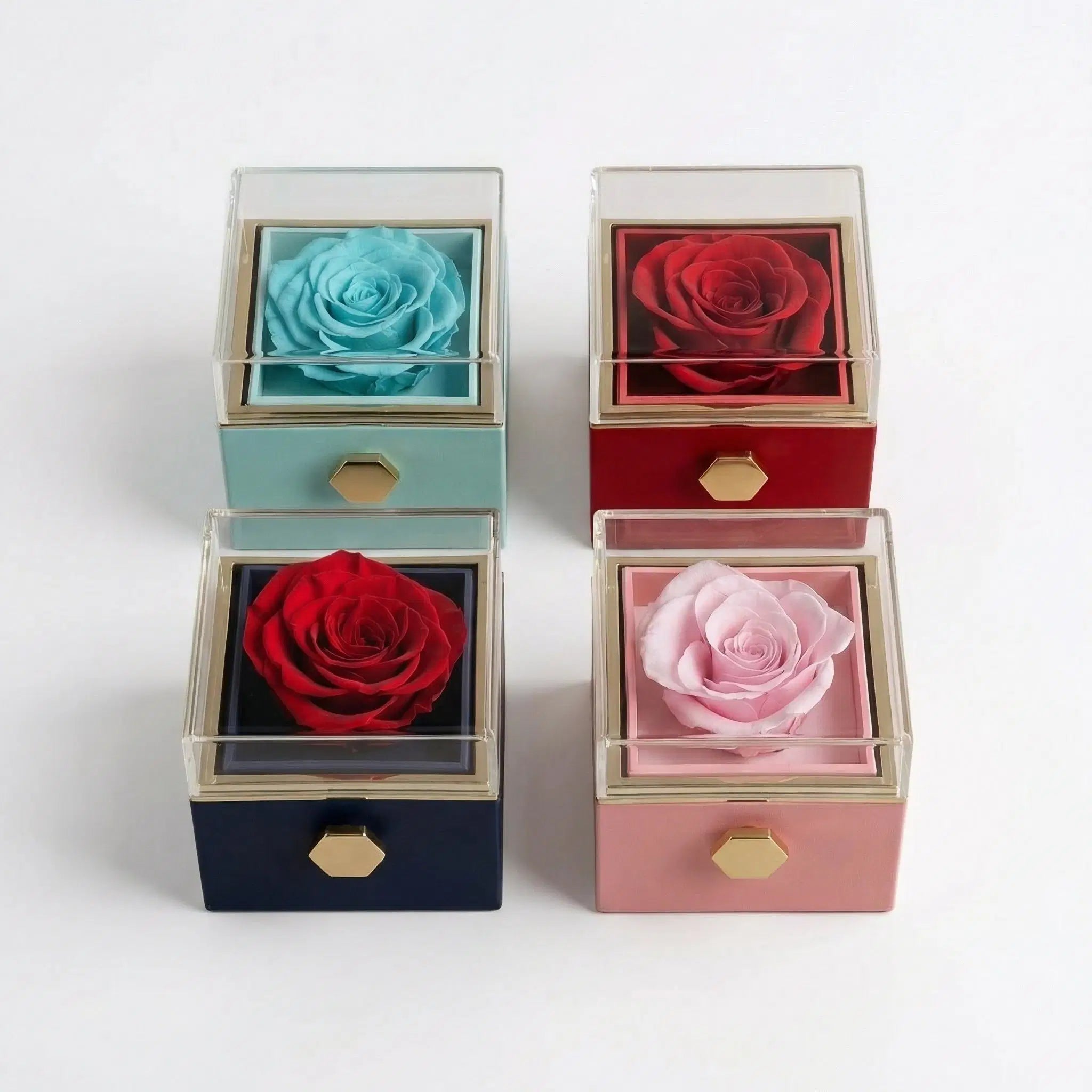
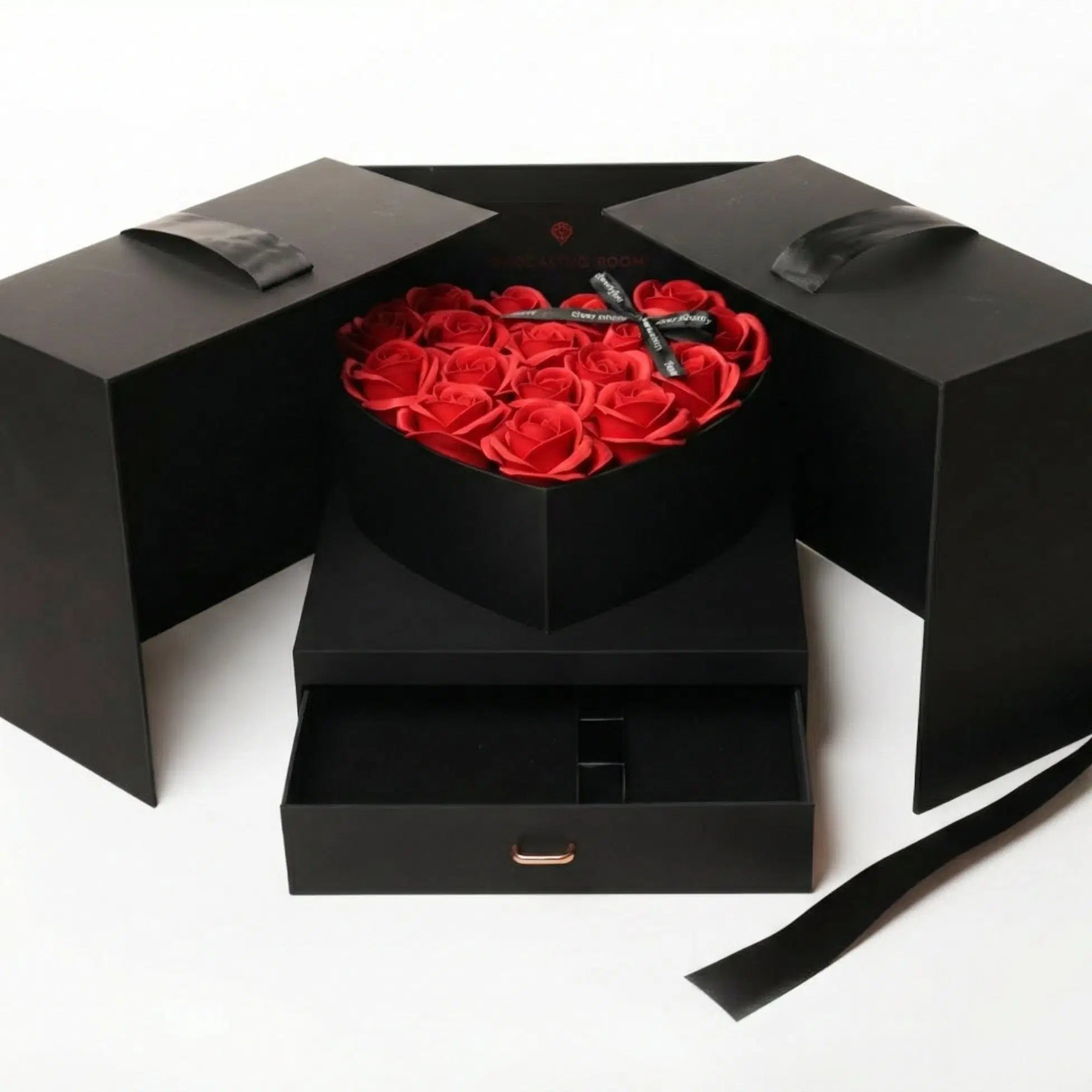
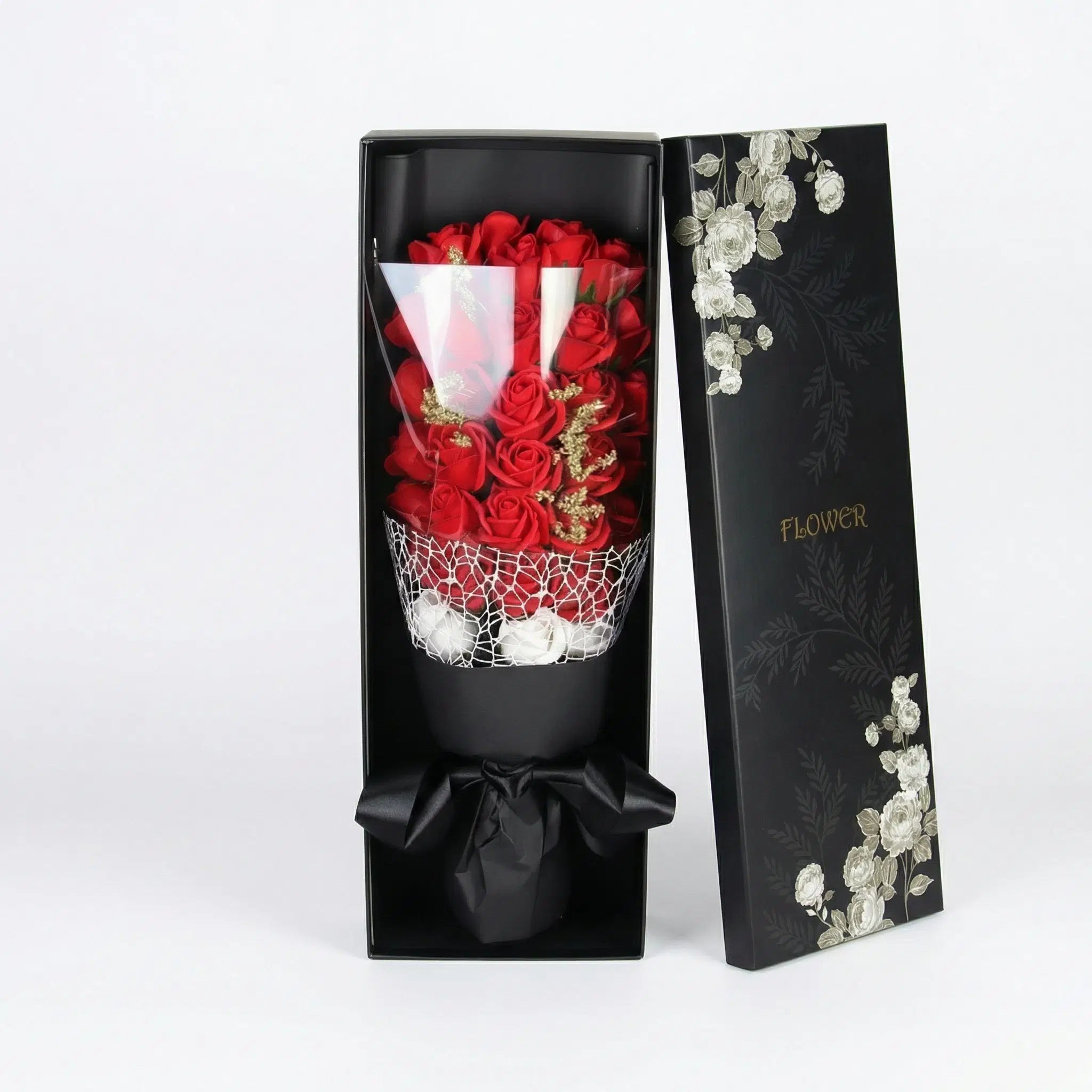
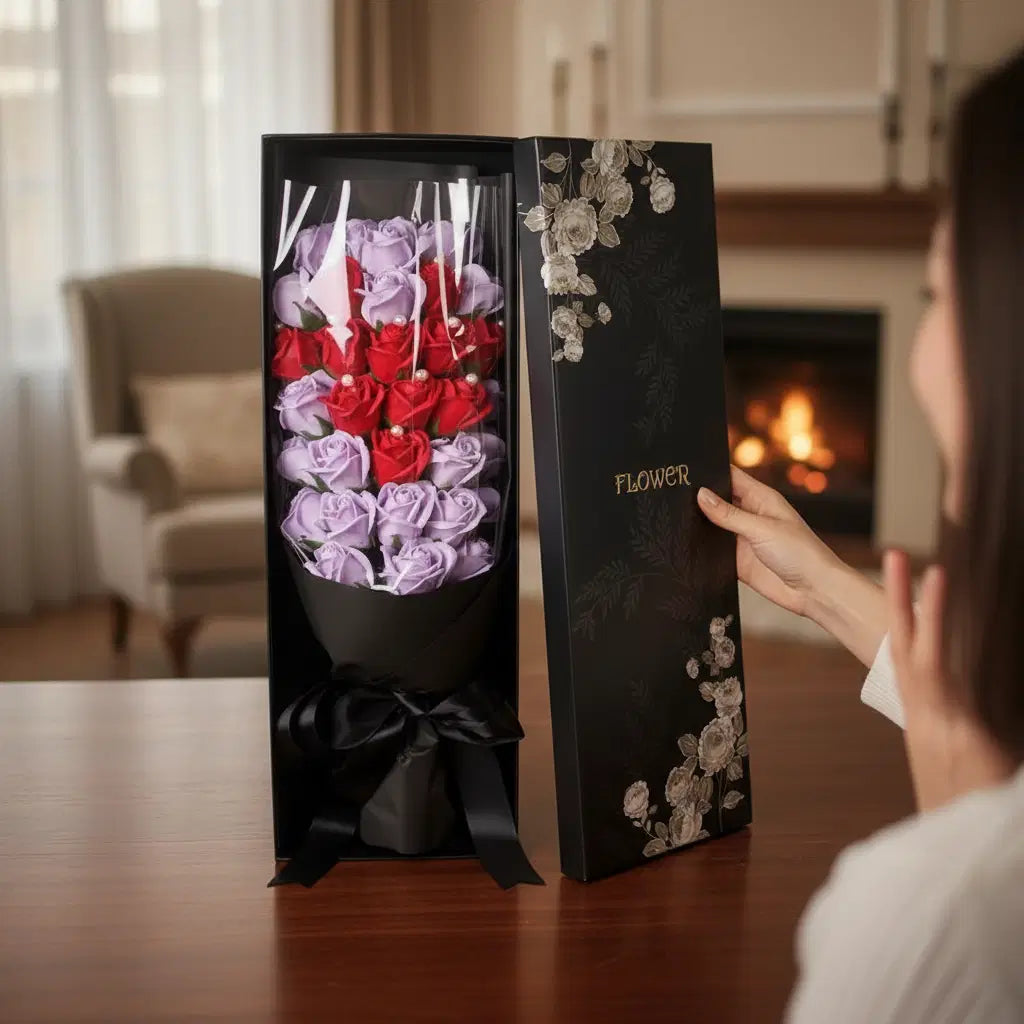
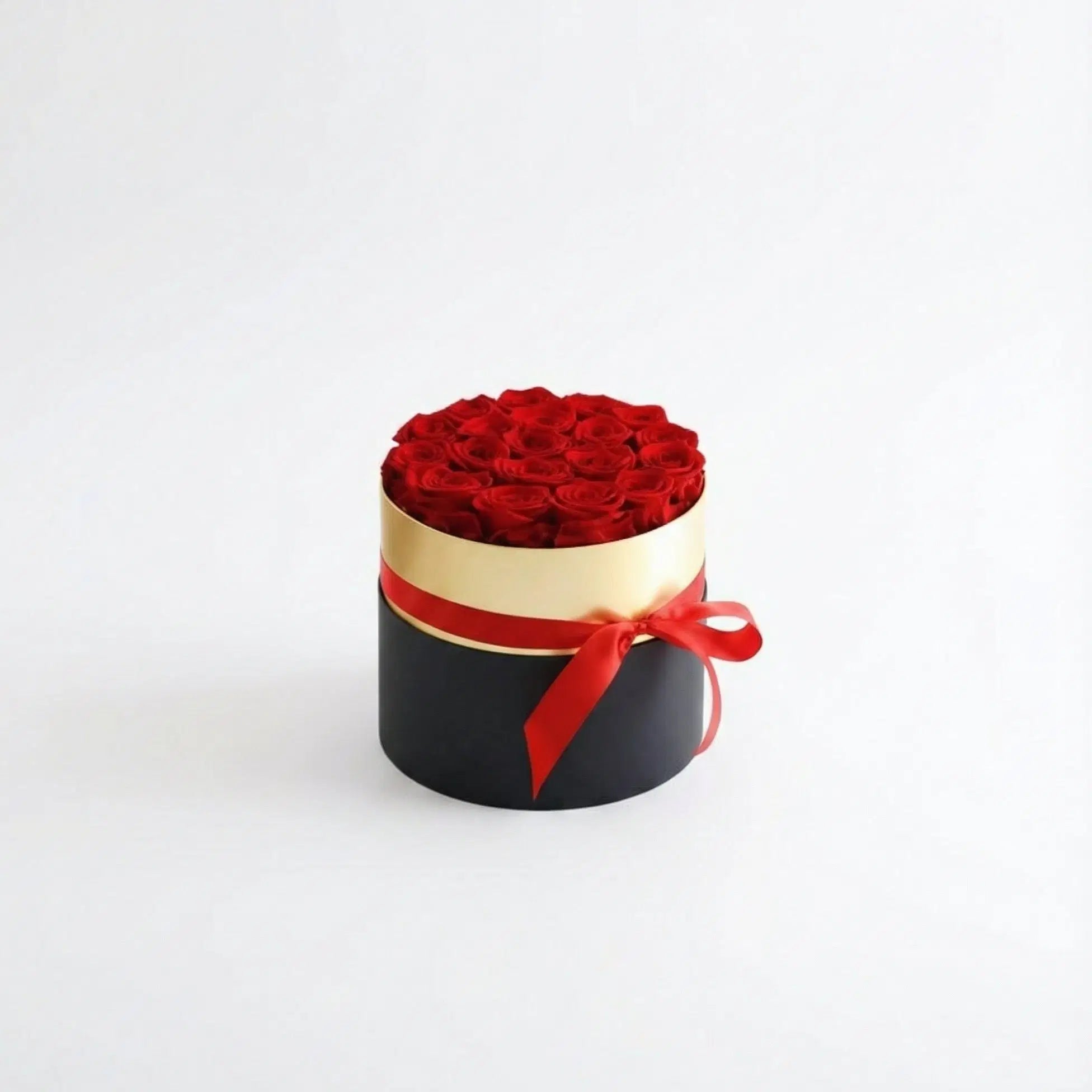
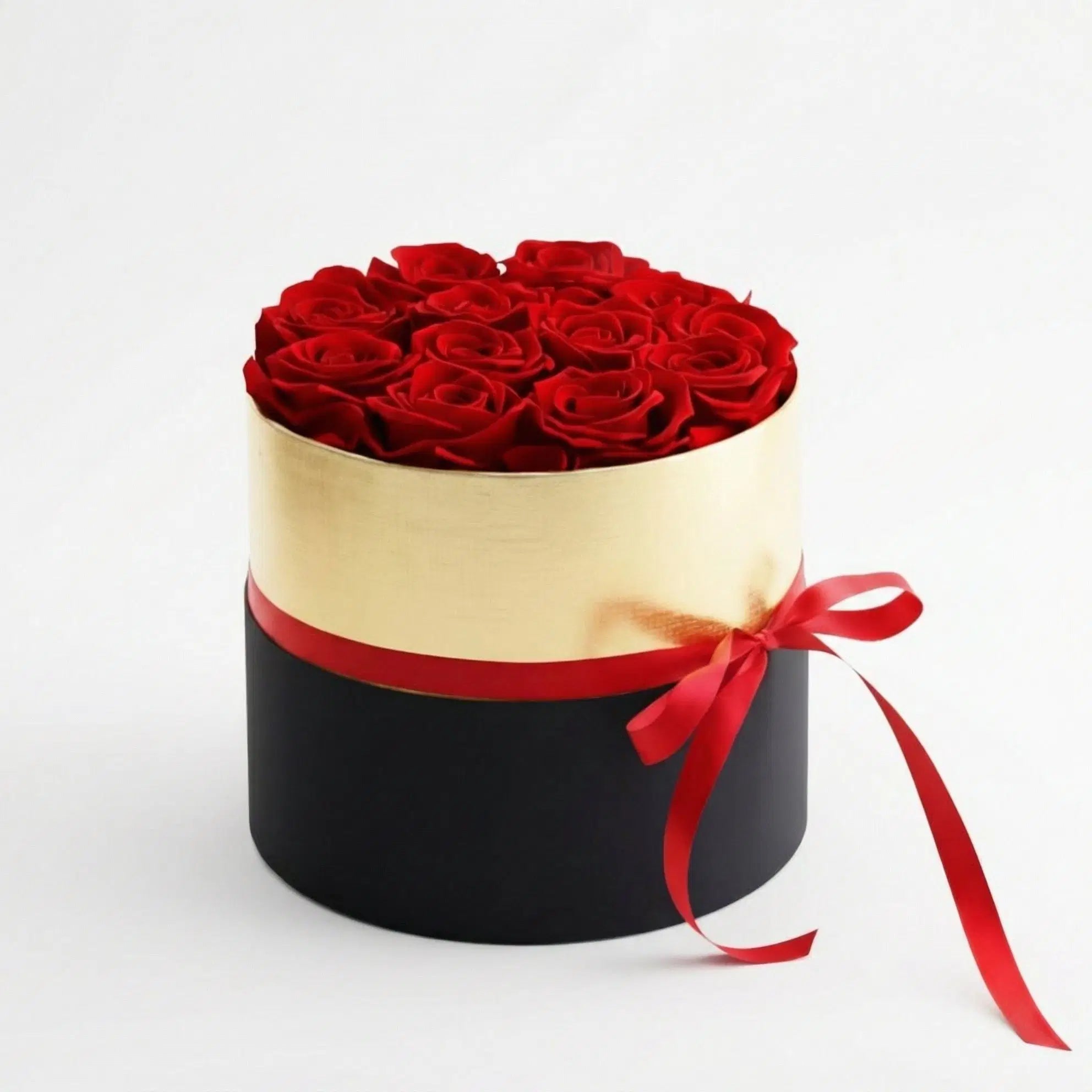
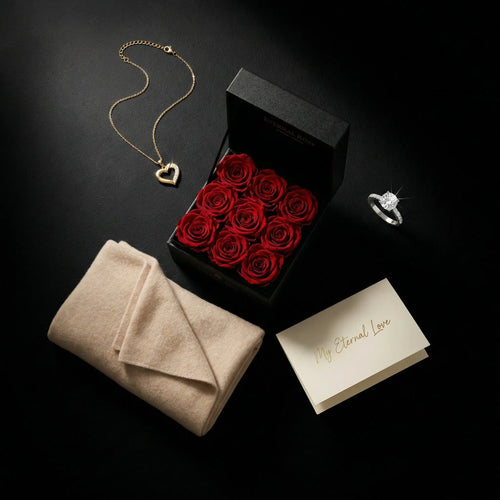
The magic happens when superior quality meets thoughtful presentation. A preserved rose arrangement in elegant packaging becomes more than a decoration—it becomes proof of your commitment to beauty and permanence.
When these elements align, your partner experiences the full emotional impact:
- They feel genuinely seen and valued
- The gift becomes a keepsake worth displaying
- They remember the moment, not just the object
- Your relationship feels worth celebrating at the highest level
The greatest satisfaction arises when gifts align with recipient preferences through both superior quality and thoughtful, intentional presentation.
This combination transforms a gift from something you bought into something you created—an emotional experience wrapped in excellence.
Here’s a quick summary of how gift quality and presentation interact to influence emotional satisfaction:
| Aspect | Low Quality & Basic Presentation | High Quality & Premium Presentation | Impact on Recipient |
|---|---|---|---|
| Longevity | Often forgotten or unused soon | Memorably displayed, kept for years | Creates lasting emotional value |
| Emotional Messaging | Feels generic, low effort | Reflects care and deep intention | Strengthens relationship bond |
| Presentation Impact | Underwhelming unboxing | Builds excitement and anticipation | Enhances special occasion feel |
| Perceived Value | Viewed as obligatory or careless | Seen as meaningful and thoughtful | Increases perceived appreciation |
Pro tip: Combine a premium product with personalized wrapping and a handwritten note explaining why you chose it specifically for your partner—this layering of quality and presentation maximizes emotional impact and satisfaction.
Measuring Customer Satisfaction in Gift Retail
Measuring satisfaction in gift retail differs from measuring satisfaction with everyday purchases. When you buy a gift, you’re measuring success differently than when buying groceries—emotional fulfillment matters as much as functional performance.
Gift retailers must track not just whether customers received their orders, but whether they felt confident in their choices and whether their partners felt genuinely moved by the gifts.
Key Metrics That Matter
Customer effort, experience quality, and loyalty form the foundation of meaningful satisfaction measurement in gift retail. These metrics reveal whether your gifting experience truly resonated.
Essential satisfaction indicators include:
- Ease of selection: Could you find the right gift without frustration?
- Confidence in choice: Did you feel certain your partner would love it?
- Delivery experience: Did the gift arrive in perfect condition and on time?
- Unboxing quality: Did the packaging enhance the moment of opening?
- Intention to repurchase: Would you return to buy anniversary gifts again?
- Recommendation likelihood: Would you tell friends about your experience?
Customer satisfaction measurement frameworks assess transactional ease and experiential quality to determine loyalty outcomes, helping retailers understand what truly drives emotional satisfaction in gift-giving.
Collecting Meaningful Feedback
Satisfaction data comes from multiple sources. Post-purchase surveys reveal immediate reactions, while follow-up conversations uncover how gifts influenced your relationship over time.
Effective measurement approaches include:
- Post-purchase surveys: Quick feedback on selection and delivery experience
- Follow-up conversations: Checking how the gift was received weeks later
- Review platforms: Public feedback showing authentic reactions
- Direct communication: Personal conversations about gift impact
- Repeat purchase behavior: Whether you return for future occasions
Multiple measurement methodologies, including surveys and multi-item scales, provide comprehensive understanding of customer satisfaction and loyalty, though combining approaches yields the clearest picture.
Beyond Numbers: Understanding Emotional Satisfaction
Numerical ratings tell part of the story. A five-star review helps, but it doesn’t capture the emotional moment when your partner opened your gift and felt truly seen.
True satisfaction measurement includes:
- Stories about how the gift became a keepsake
- Whether it strengthened your relationship bond
- If your partner displayed it proudly
- How often they mention or use the gift months later
The most valuable satisfaction data comes from customers who return to give gifts again because they trust the retailer with their most important emotional moments.
When couples become repeat customers specifically for anniversaries and special occasions, that loyalty signals genuine satisfaction at the deepest level.
Pro tip: Ask retailers follow-up questions beyond immediate delivery—inquire how your partner reacted, whether the gift met expectations, and if you’d choose them again for your next anniversary, providing feedback that helps retailers measure true emotional satisfaction.
Mistakes to Avoid for Memorable Experiences
Gift-giving mistakes don’t just result in disappointing moments—they undermine the emotional satisfaction you’re trying to create. The difference between a forgettable gift and a meaningful one often comes down to avoiding predictable pitfalls.
Understanding common mistakes helps you create experiences that genuinely resonate with your partner and strengthen your relationship.
Ignoring Your Partner’s Actual Preferences
The biggest mistake is buying what you think someone should want instead of what they actually want. You might choose something you’d enjoy without considering their genuine tastes, interests, or lifestyle.
Preference-based mistakes include:
- Selecting gifts based on trends rather than their personality
- Choosing items that reflect your values, not theirs
- Ignoring hints they’ve dropped about what they’d love
- Assuming luxury automatically equals happiness
- Overlooking practical items they genuinely need
Common gift-giving mistakes include undervaluing practical gifts and ignoring recipient preferences and social context, which significantly reduces emotional satisfaction and diminishes the gift’s lasting impact on your relationship.
Playing It Too Safe or Too Risky
Some couples default to predictable, risk-free choices. Others swing too far in the opposite direction, selecting something so unconventional it feels disconnected from the recipient.
The sweet spot lives between these extremes. A meaningful gift shows thoughtfulness without being so sentimental it feels uncomfortable or so safe it feels forgettable.
Overvaluing the Opening Moment
You might obsess over the packaging and wrapping, treating the unboxing as the entire experience. But true satisfaction extends far beyond that moment.
What actually matters:
- Long-term utility: Will they still appreciate this in six months?
- Emotional resonance: Does it connect to your relationship story?
- Display worthiness: Will they want to keep it visible?
- Conversation value: Does it spark meaningful discussions?
- Keepsake potential: Could this become a cherished memory?
Rushing the Selection Process
Last-minute gift buying signals to your partner that the occasion wasn’t important enough for genuine preparation. Thoughtful gifts emerge from time and reflection, not panic shopping.
Avoiding poor gift suitability requires thoughtful preparation and genuine consideration of social and emotional factors, proving that the effort you invest in selection directly impacts how your partner experiences and values the gift.
The most memorable gifts come from taking time to truly understand your partner and selecting something that proves you know them deeply.
Rushed decisions almost always feel rushed to the recipient, regardless of how expensive the item is.
The table below compares common gift-giving mistakes and their effects:
| Mistake Type | Example Scenario | Emotional Consequence |
|---|---|---|
| Ignoring Preferences | Choosing a trendy item, not their style | Partner feels misunderstood |
| Playing Too Safe | Giving expected, generic gifts | Lacks emotional excitement |
| Overvaluing Presentation | Over-focusing on wrapping, not meaning | Short-lived satisfaction |
| Rushing the Process | Last-minute shopping | Signals lack of genuine effort |
Pro tip: Start thinking about your anniversary gift at least four weeks in advance, allowing time to observe what your partner mentions wanting, research options thoughtfully, and arrange quality packaging that reflects the care you invested in the selection process.
Elevate Your Anniversary Gift to Genuine Emotional Satisfaction
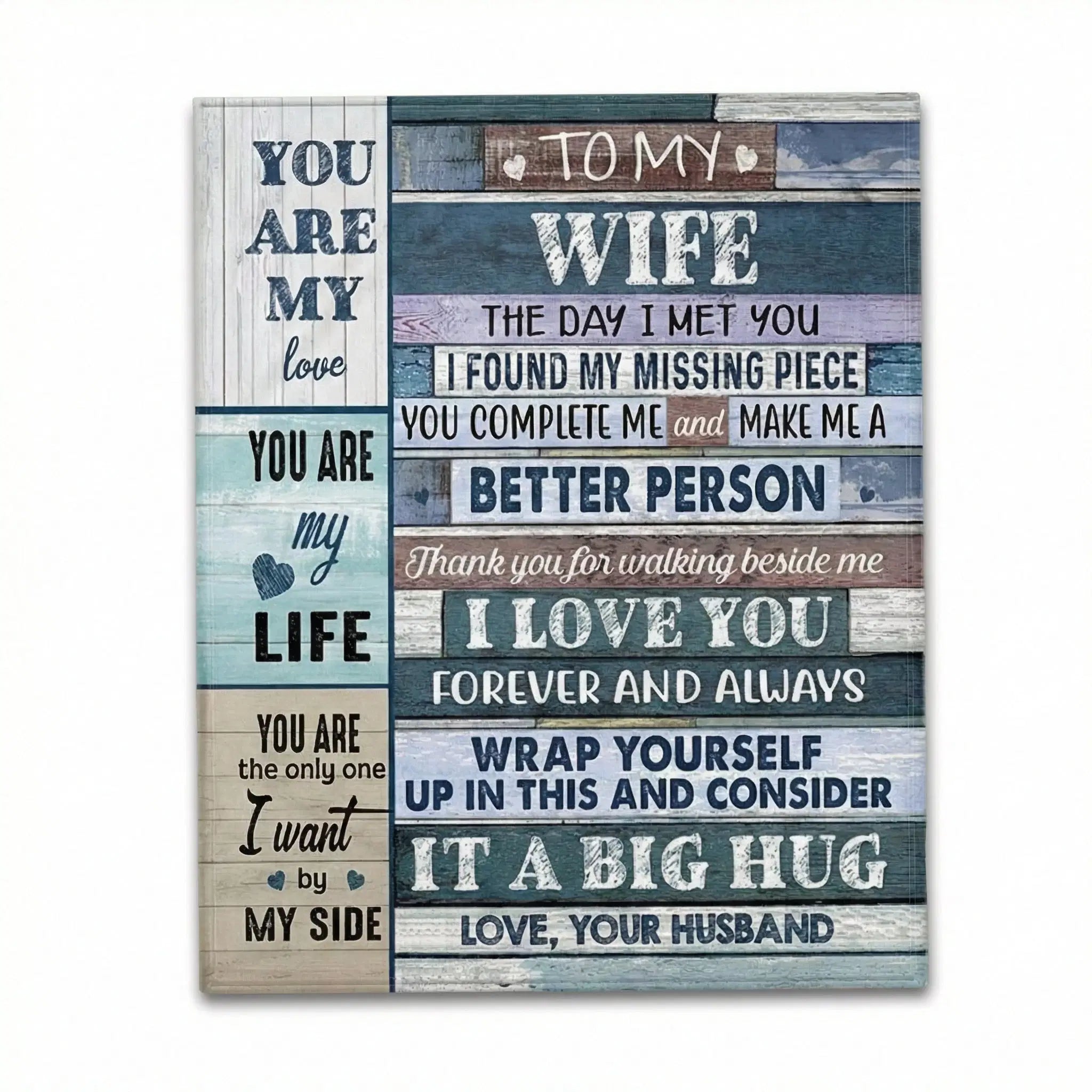
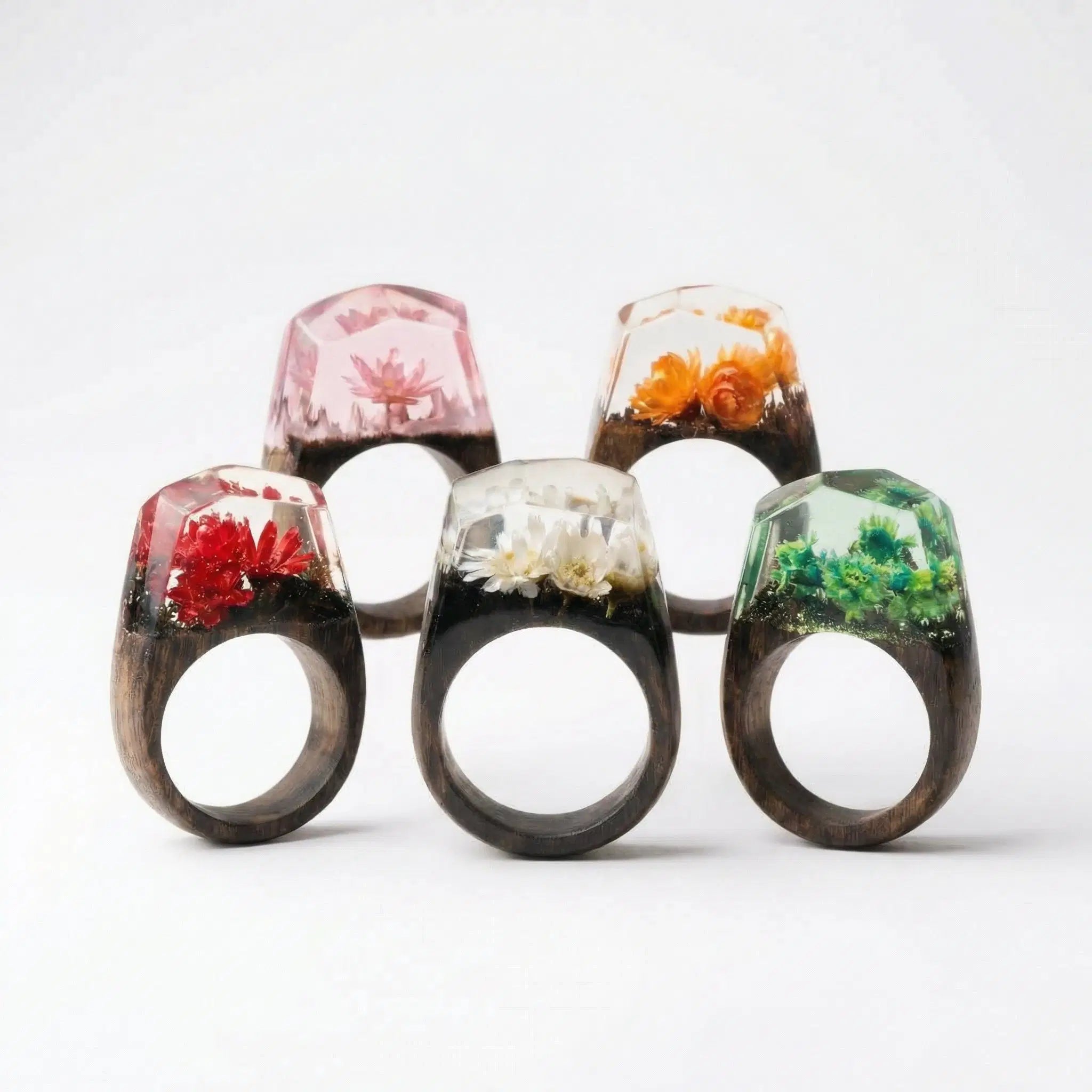
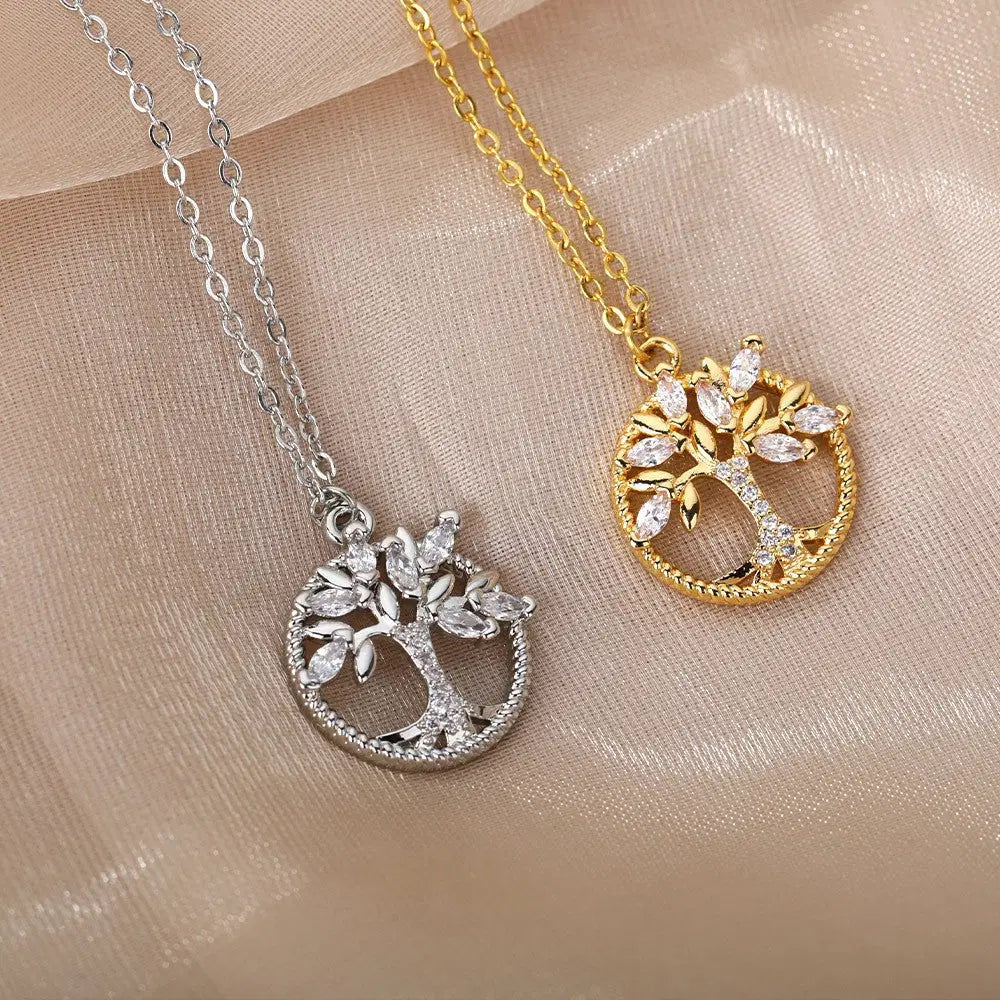
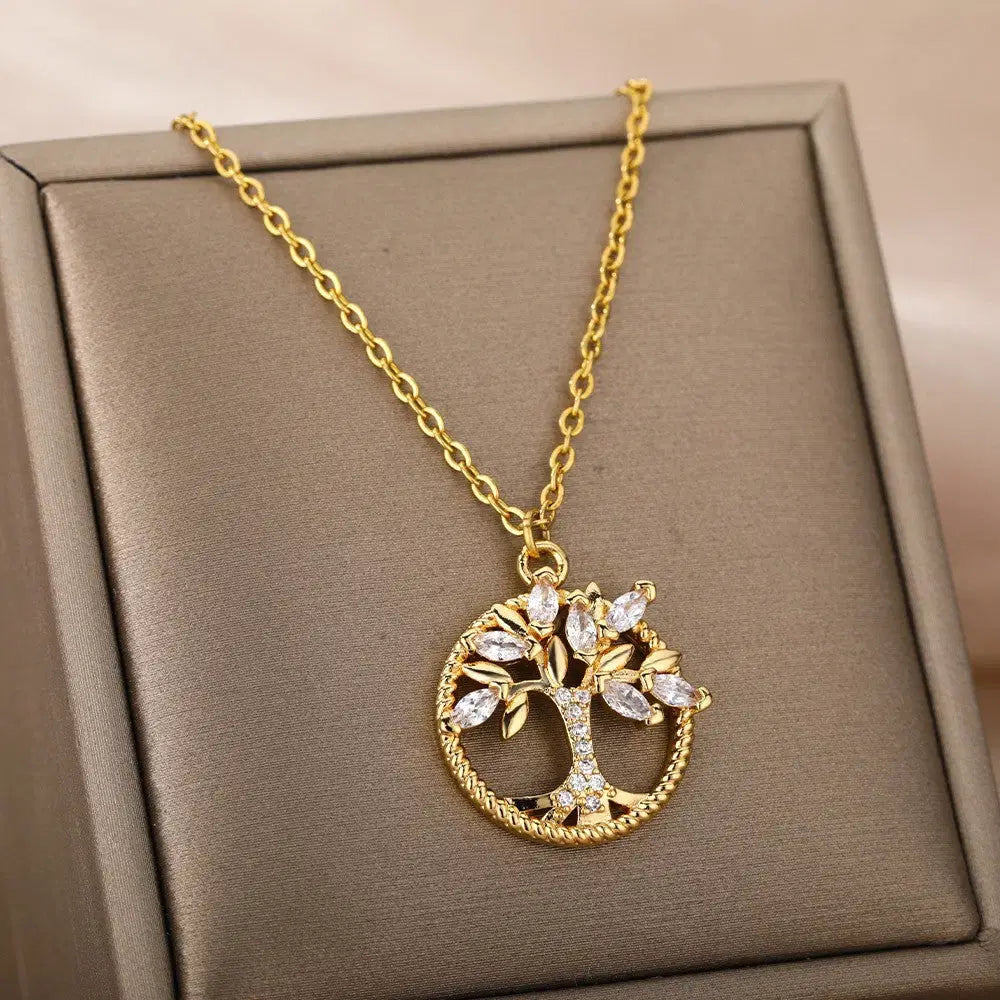
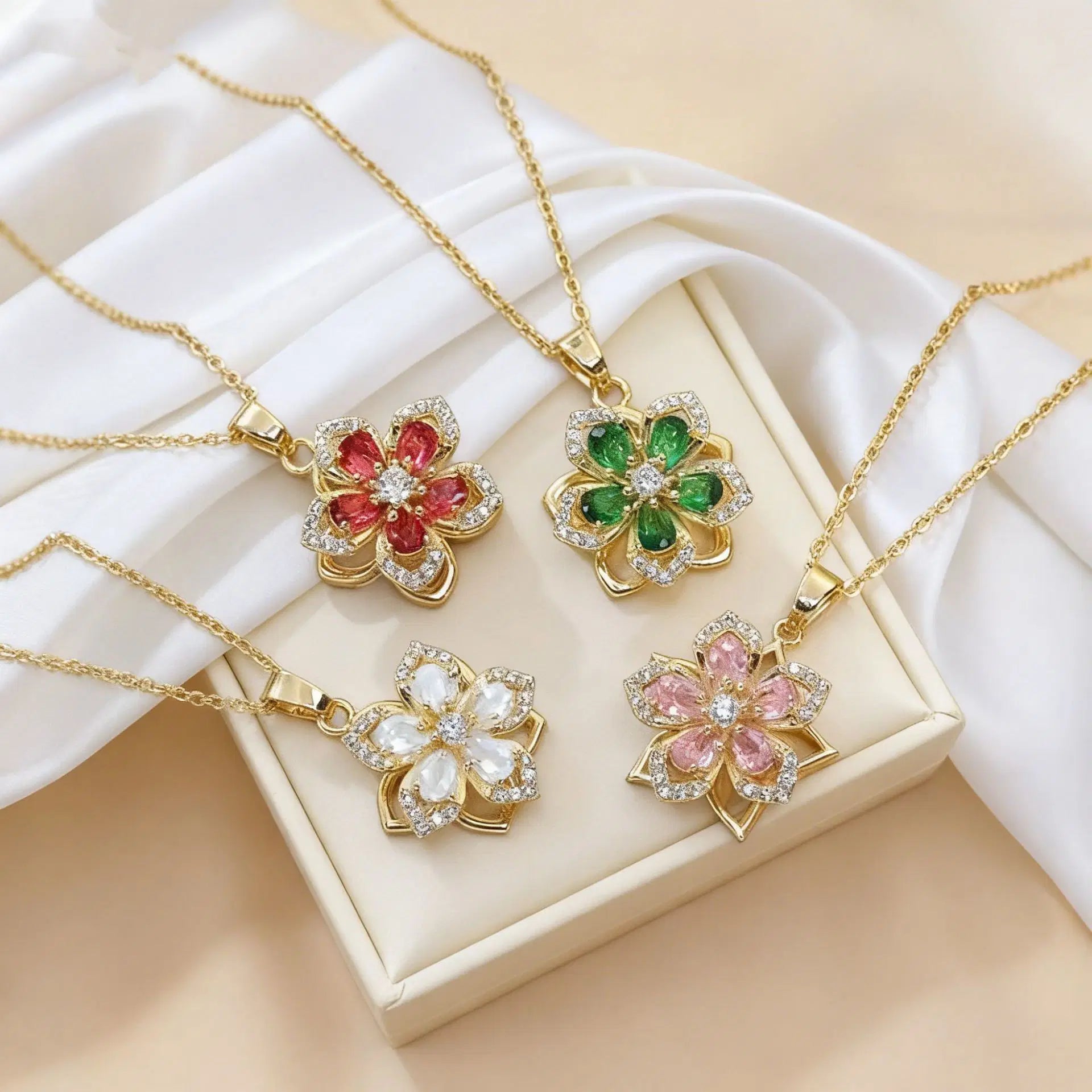
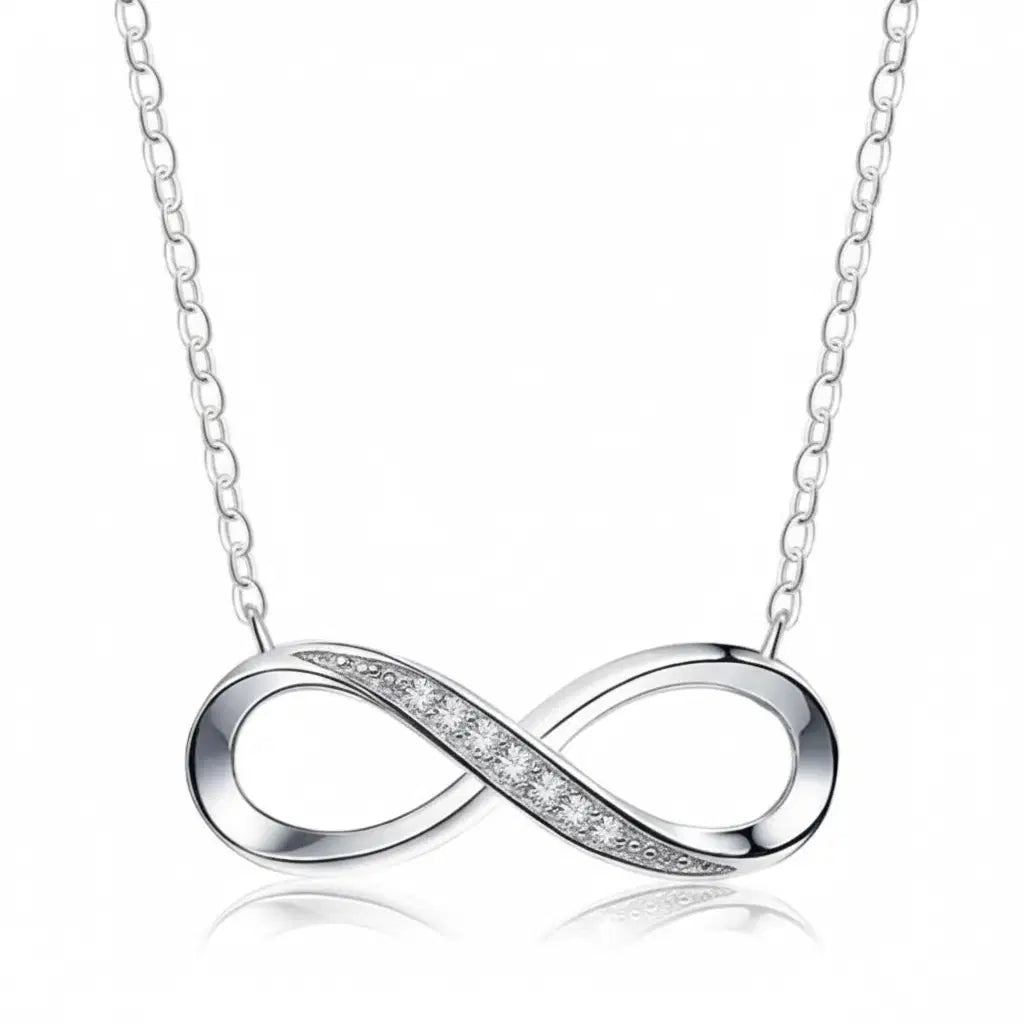
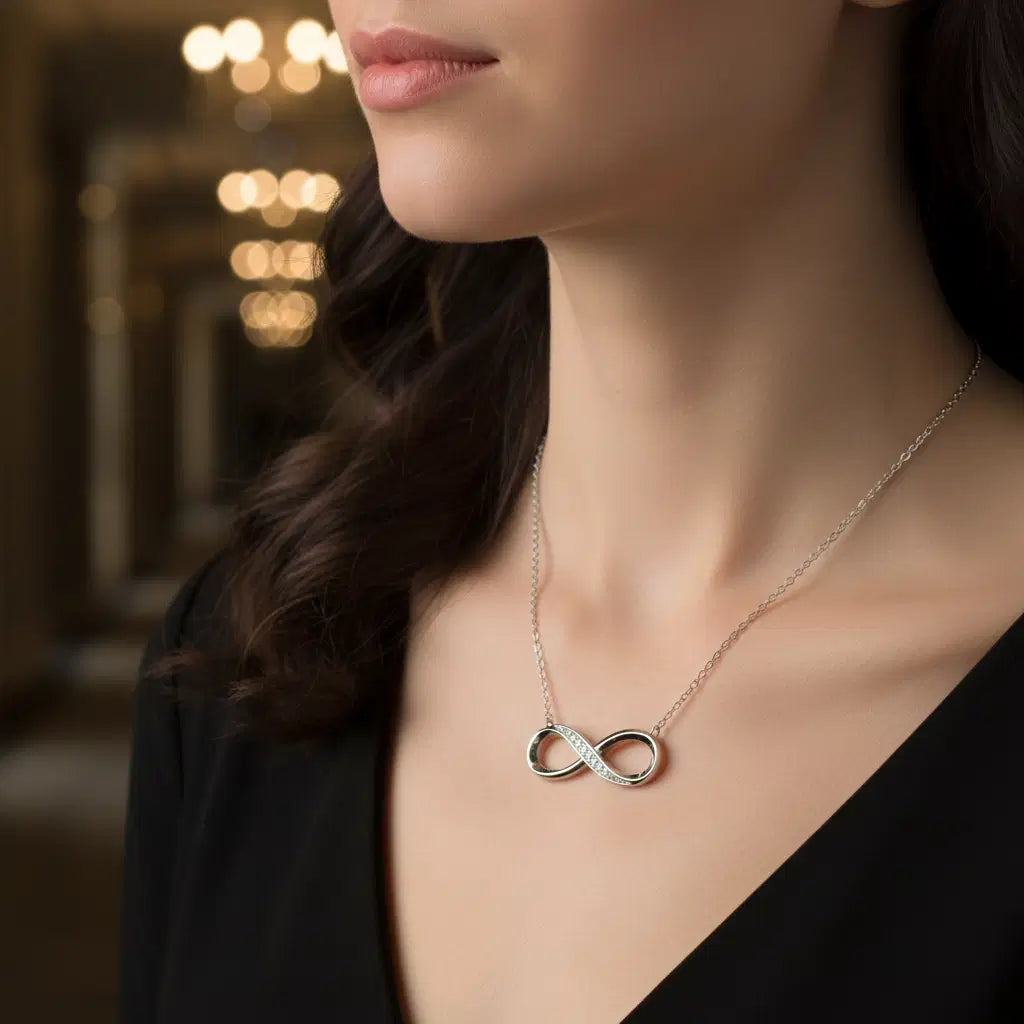
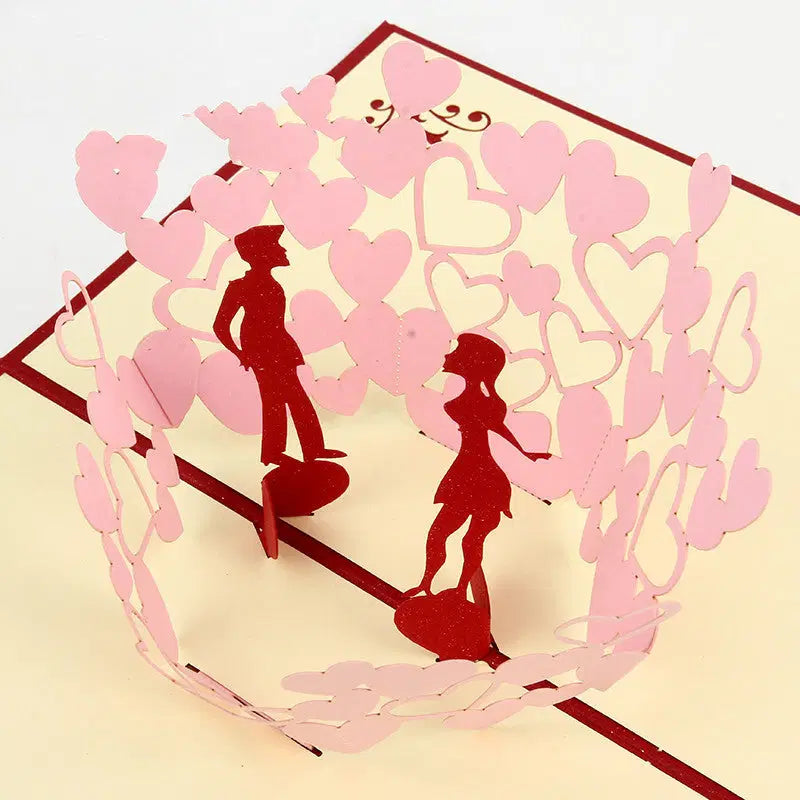
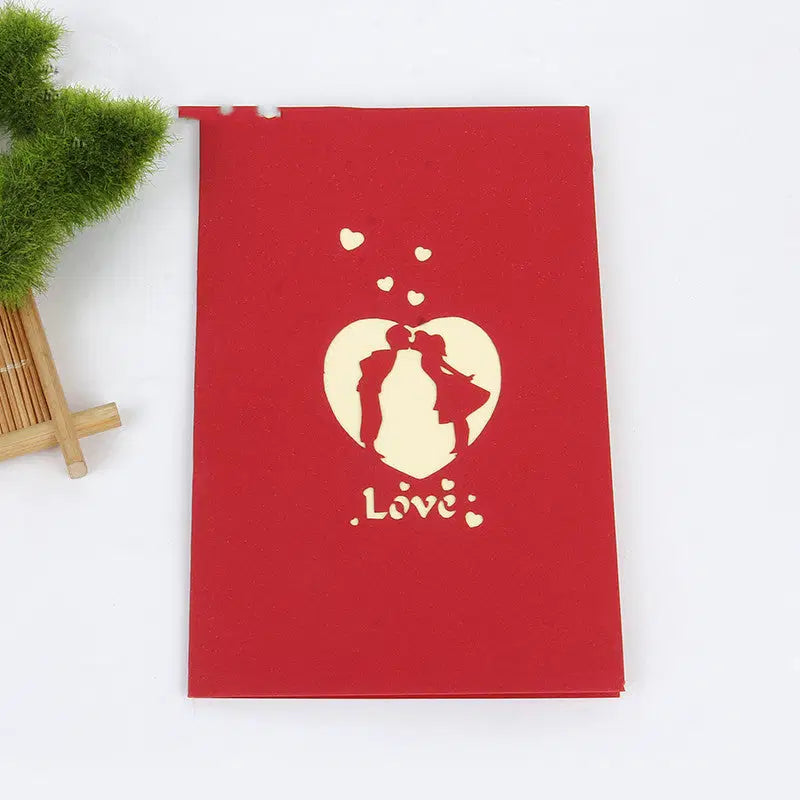
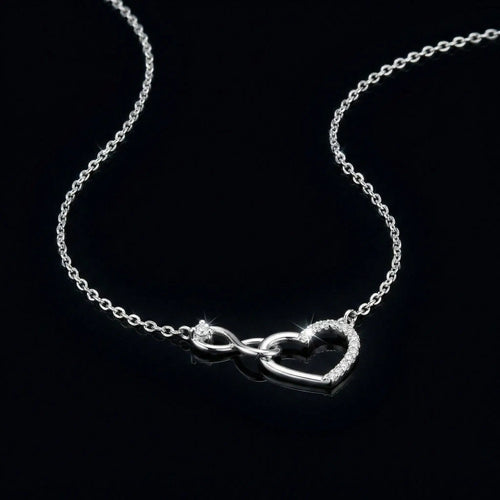
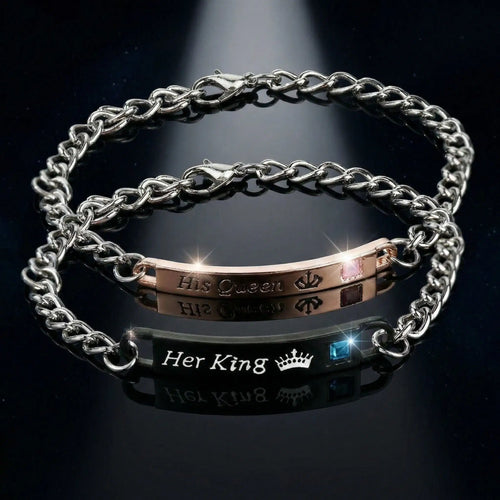
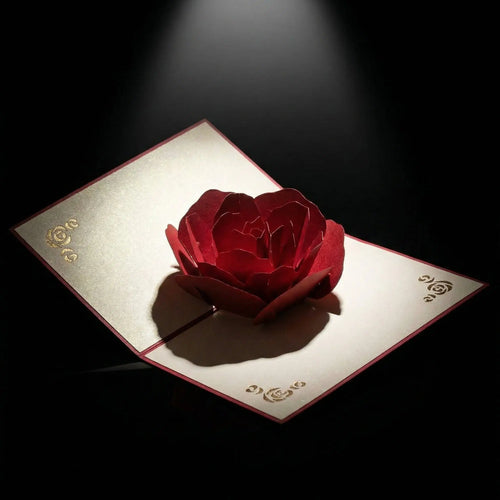
The journey to customer satisfaction in gifting is about much more than the gift itself. It is about creating an emotional connection that truly honors your partner’s preferences and your shared story. The challenges many face include selecting personalized, high-quality gifts that resonate emotionally and presenting them thoughtfully to strengthen your relationship. At Amorlune, we understand these key pain points. Our curated collection of handcrafted preserved roses, fine jewelry, and personalized love cards reflects deep care and premium quality designed to move beyond obligation and create lasting memories.
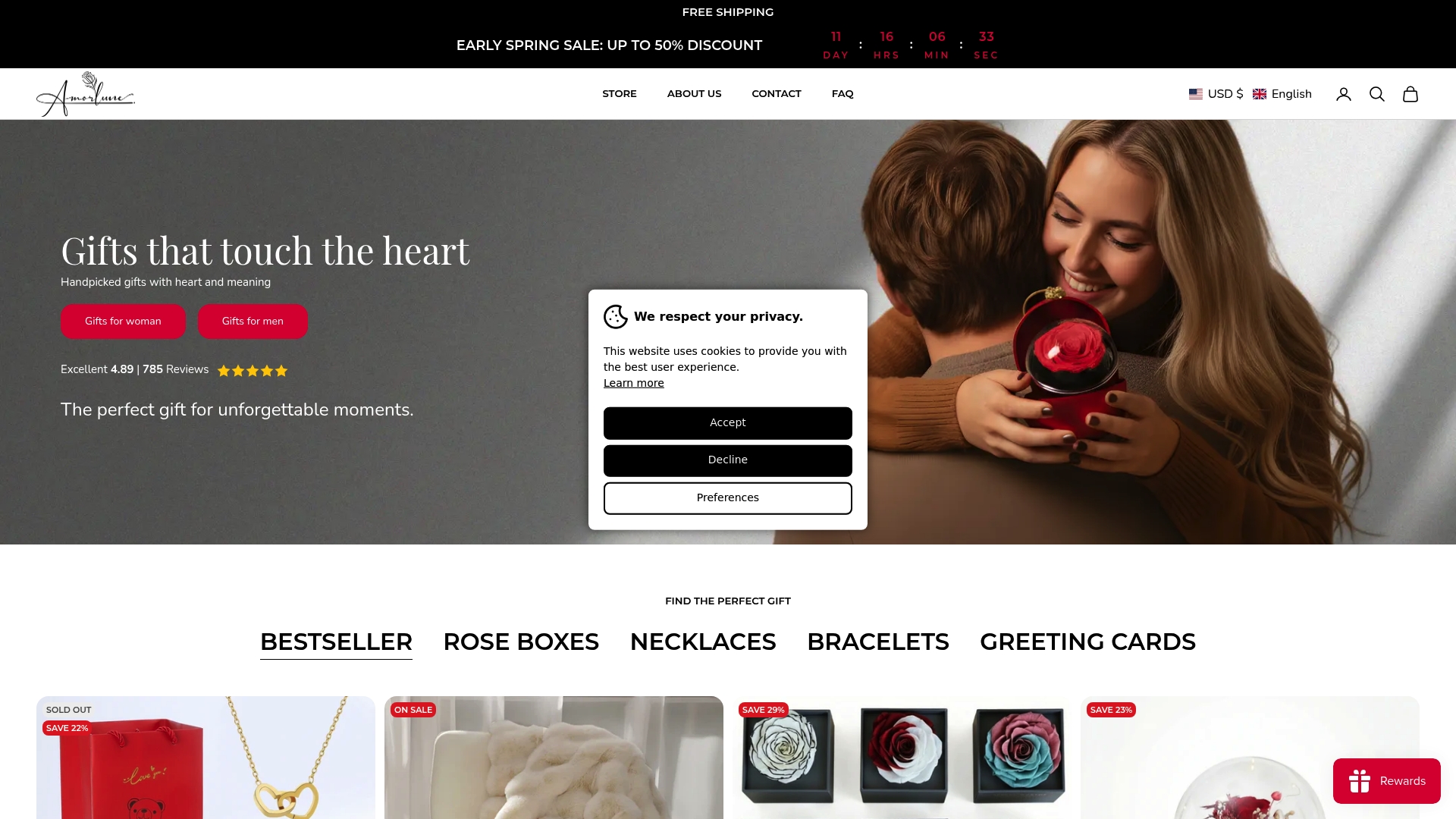
Discover how to bridge the gap between expectation and reality with gifts that speak directly to your partner’s heart. Explore our elegant selections at Amorlune.com where every product combines superior craftsmanship and thoughtful presentation. Start your journey toward genuine emotional fulfillment by choosing gifts that your partner will cherish for years. Visit Amorlune.com now for timeless romantic gifts that create unforgettable moments and elevate your anniversary celebration.
Frequently Asked Questions
What factors influence customer satisfaction in gifting?
Customer satisfaction in gifting is influenced by personal recognition, emotional resonance, presentation experience, and lasting meaning. Gifts that reflect an understanding of the recipient’s tastes and values enhance satisfaction.
How does relationship context affect gifting satisfaction?
The stage of the relationship significantly impacts gifting satisfaction. For example, gifts that delight a long-term partner may not resonate with someone in a newer relationship, making it crucial to customize gifts based on mutual experiences and preferences.
Why is the presentation of a gift important?
Presentation is essential because it sets the emotional tone for the gift exchange. Thoughtful packaging, timing, and personal touches communicate care and effort, enhancing the recipient’s emotional experience.
What emotional expectations do recipients have when receiving gifts?
Recipients expect gifts to reflect deep understanding, genuine effort, and a moment of emotional connection. They desire validation that their relationship is worth celebrating and want to feel seen and valued through the gift.
Recommended

Von Dennis Schröder